Archive for the ‘Uncategorized’ Category
Grant Wood Tour: Part II
 Comments (1)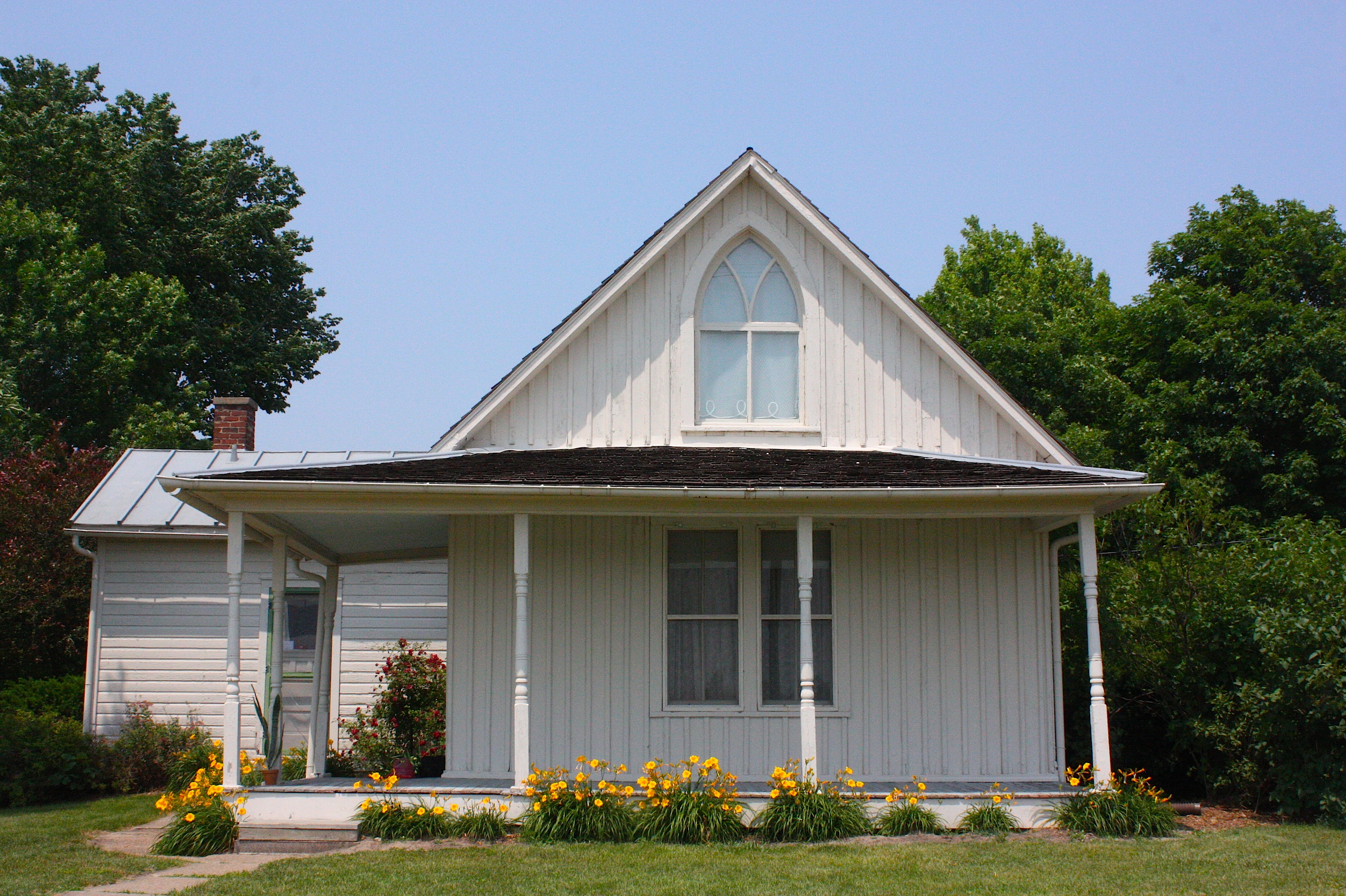
I started my Grant Wood Tour of Iowa way back last August. I was inspired at the time by Seward Johnson’s God Bless America sculpture on display at the Dubuque Museum of Art. The sculpture is based on Grant Wood’s iconic painting American Gothic. After visiting the sculpture, I toured the museum, home to a small but very nice collection of Wood’s paintings. After that, I went to the kitschy Grant Wood Art Gallery in Anamosa, to Stone City, and to the Cedar Rapids Museum of Art. I had hoped to visit the Grant Wood Studio, but it’s open very limited hours. So I pledged to do a Grant Wood Tour Part II.
I had good intentions of doing this last fall, but time got away from me. Yesterday I added another piece of the Grant Wood tour by visiting the American Gothic House in Eldon, Iowa. (The rest of the tour will just have to wait…again.)
The American Gothic House held a number of surprises for me. For one thing, the last time I visited it (maybe a dozen years ago) it sat alone, very unceremoniously on a gravel road in Eldon. Today, many signs point you toward the site, and when you get there, you’re greeted by a full-scale visitor center and a paved parking lot.
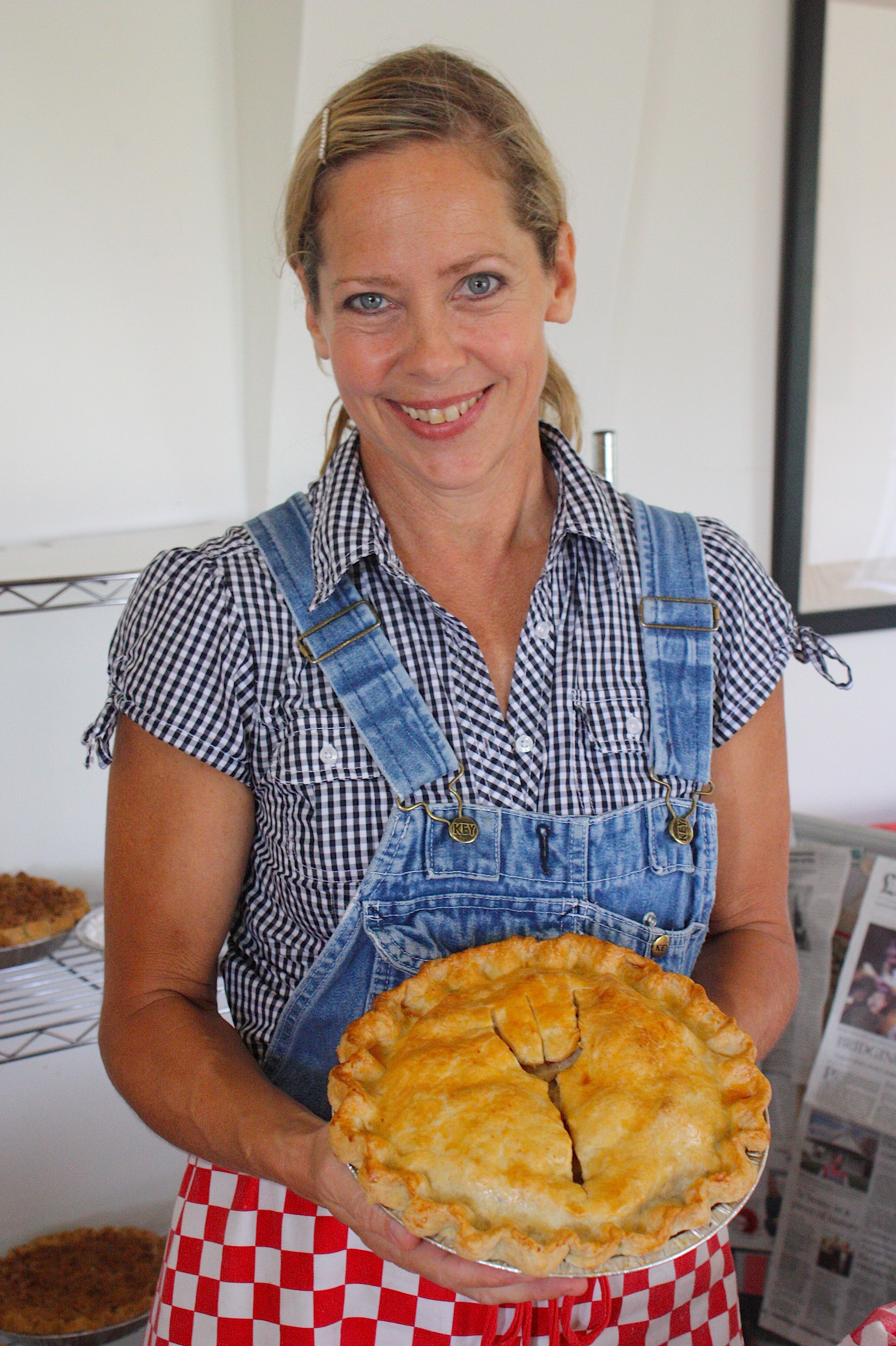 The second surprise for me was the Pitchfork Pie Stand. Unbeknownst to me, the American Gothic House is now home to Beth Howard, piebaker extraordinaire and author of Making Piece: A Memoir of Love, Loss, and Pie. Beth bakes her pies in the tiny kitchen of the American Gothic House, where she lives when she’s not on the road doing book tours or teaching pie-baking classes or appearing on television.
Yesterday was this summer’s opening day for the Pitchfork Pie Stand (who knew?) and the line was out the door. Beth’s pies looked wonderful, and she was selling about equal numbers of pies and books. “I can’t make pies fast enough!” she said.
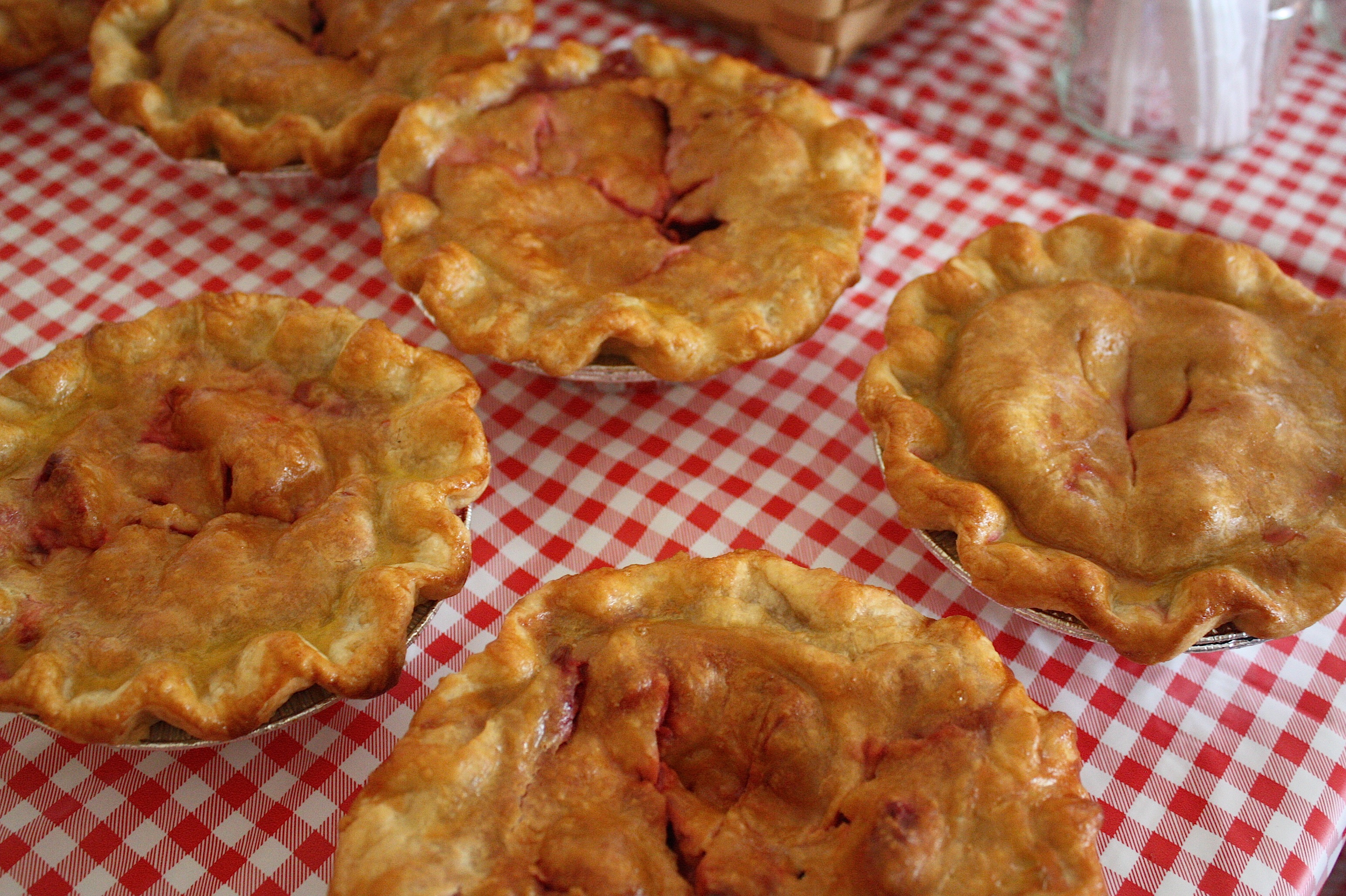 Yesterday’s flavors were apple, apple crumble, strawberry, and shaker lemon. Full pies sell for $20, mini pies are $6, and single slices are $3. The pie stand is open weekends noon to 5 p.m. through Labor Day.
But enough about pies. Back to Grant Wood.
 The American Gothic House in Eldon is the backdrop for Wood’s most famous painting. The painting depicts a farmer standing beside his spinster daughter — although the models for the painting were Wood’s sister, Nan, and his dentist (pictured at left in front of the finished painting in 1942). Each element of the painting was done separately; the models were not painted together and never actually stood in front of the house.
 The Gothic Revival cottage with its distinctive upper window is in wonderful condition and, with the addition of the visitor center, now has lots of colorful flowers (and, of course, pie). If you visit the center (10 a.m. to 5 p.m. Tuesday through Saturday; 1-4 p.m. Sundays and Mondays) be sure to have your picture taken in front of the house, dressed in costumes and holding a pitchfork provided by the center. (I didn’t do this since I was visiting alone; I thought it would be too creepy to have a stranger pose with me.) There’s even a “how to pose” sign in front of the house. The center has educational exhibits, videos, a collection of American Gothic parodies, and plenty of gift items for sale. Directions are available on the website.
Manning, Iowa (and a walk at Swan Lake State Park)
It’s been awhile since I took a day and just explored Iowa.
So yesterday I had big, big plans. Too big, as it turned out. My destination was Manning, Iowa, just south and a wee bit west of Carroll. Along the way I hoped to stop for a walk at Swan Lake State Park, visit the Templeton Rye distillery, stop by Whiterock Conservancy in Coon Rapids, and end with a hike at Springbrook State Park.
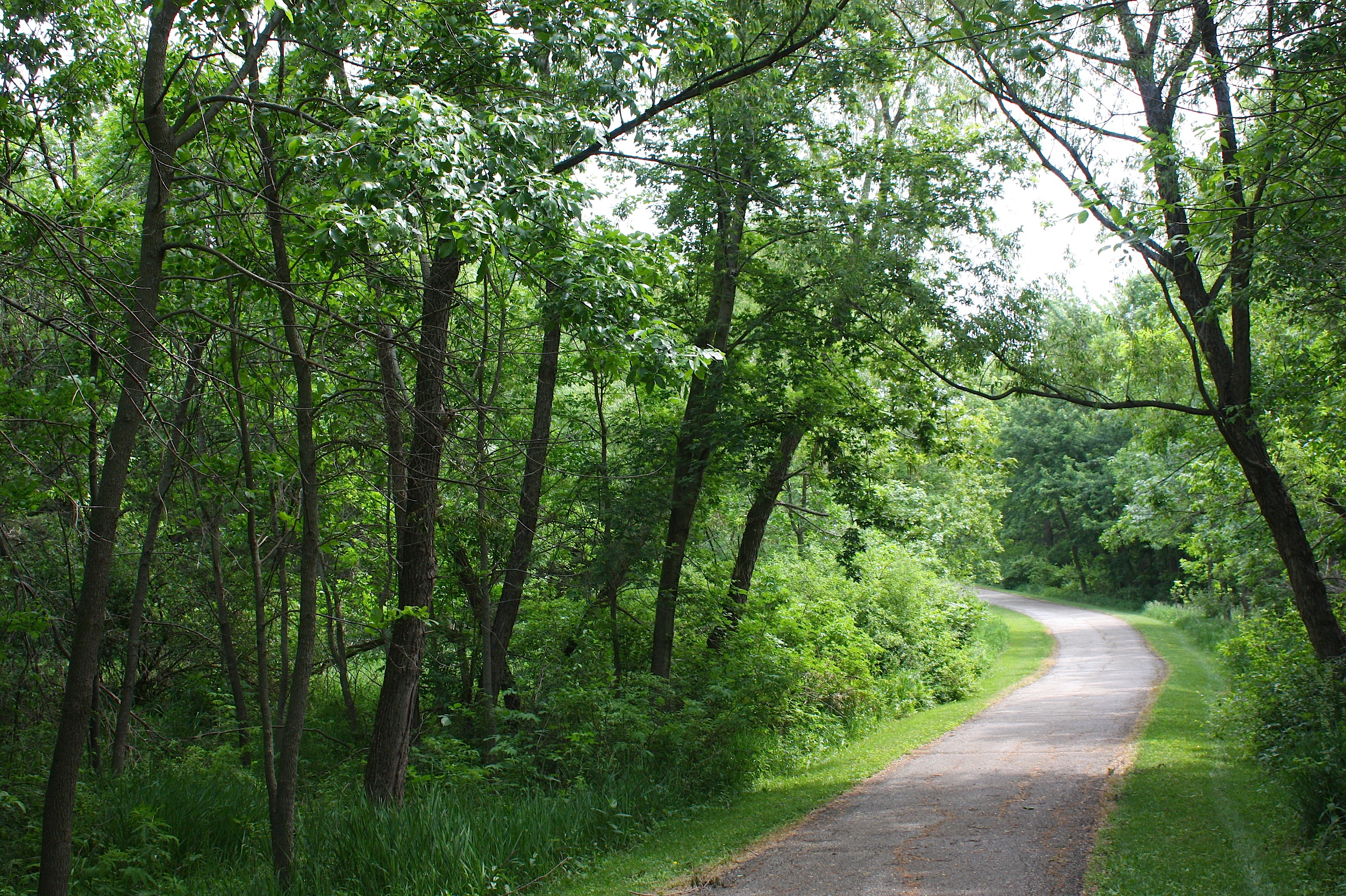
I started out heading west on Hwy. 30 for about an hour until I reached Carroll. From there, Swan Lake State Park is just a couple of miles south on Hwy. 71. I arrived at 11 a.m. The morning had been cool and breezy, and a rain shower had just passed through the area. I set out on my walk.
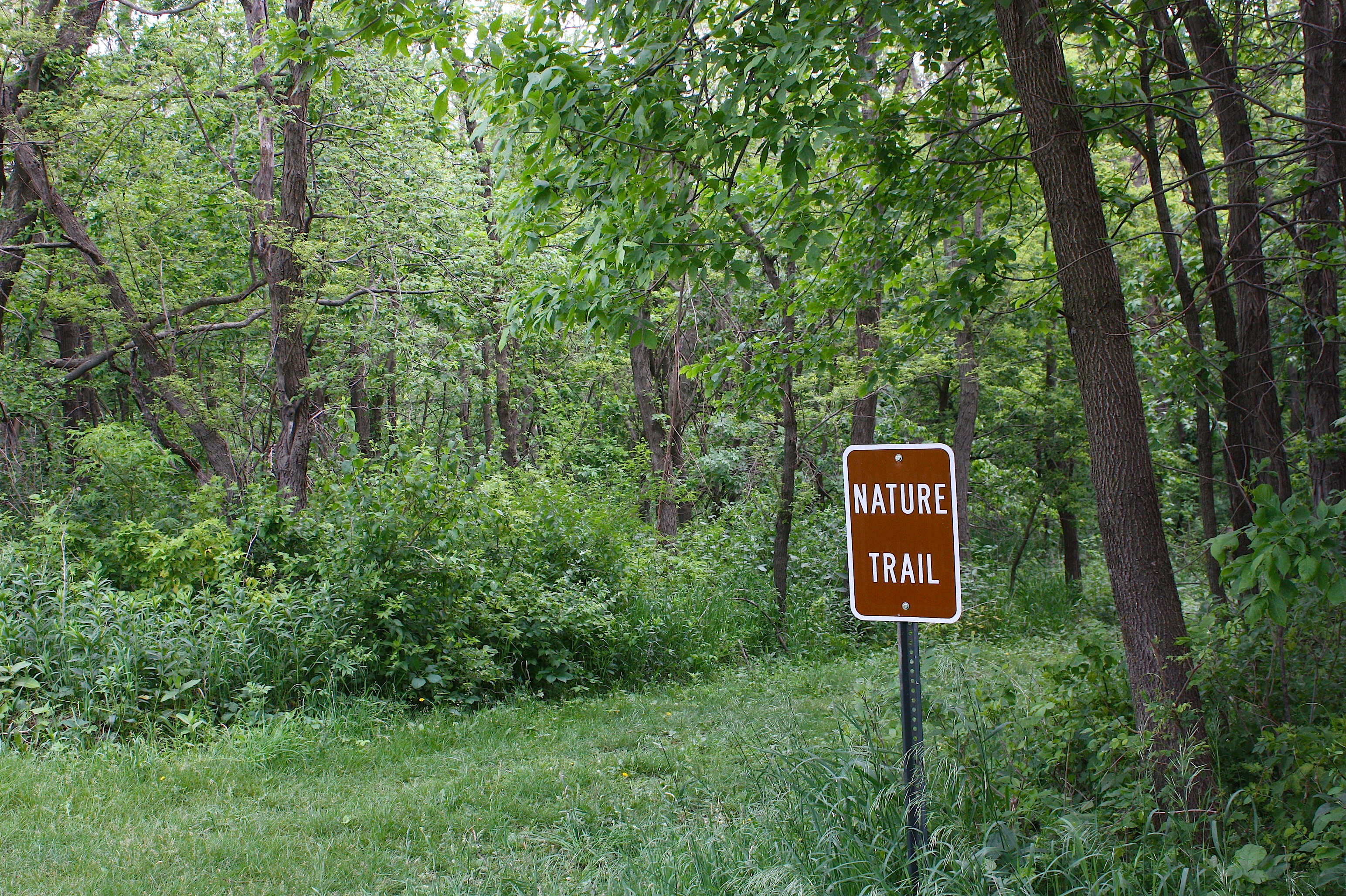
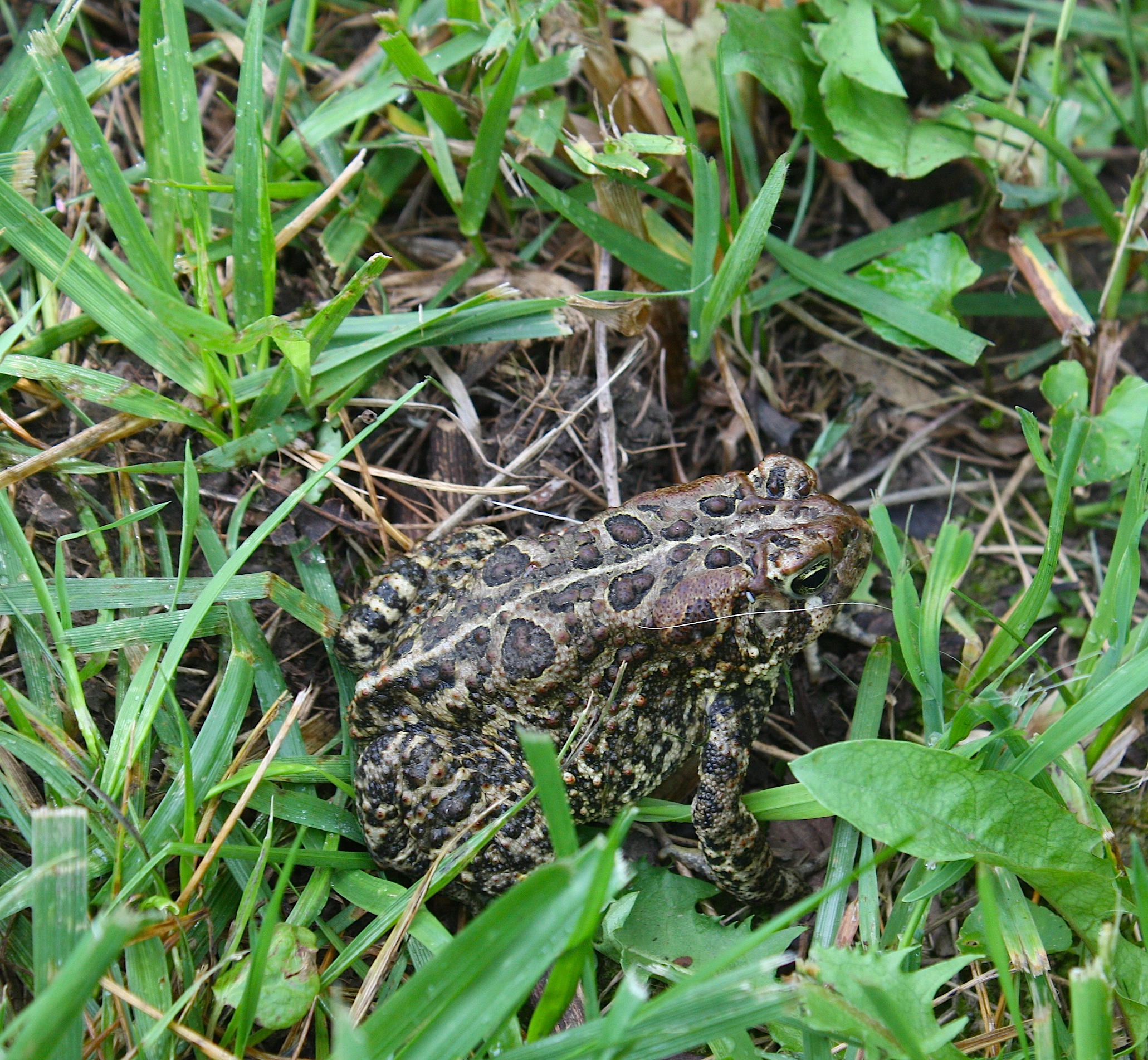 The Sauk Rail Trail connects with Swan Lake, and the paved bike/walking path circles around the lake. The trail takes you through wooded areas, wetlands, and open, park-like areas. You can also get off the paved path and walk on parallel nature trails. As I walked, I saw songbirds, geese on the lake, rabbits, many butterflies, and one handsome toad. I worked up quite a sweat, as the temperature climbed significantly while I was walking. It’s a longer trail than I remembered, probably because the last time I walked the loop I was younger and in better shape. Yesterday it took me an hour and 40 minutes to make it all the way around, and I was really glad to see my car.
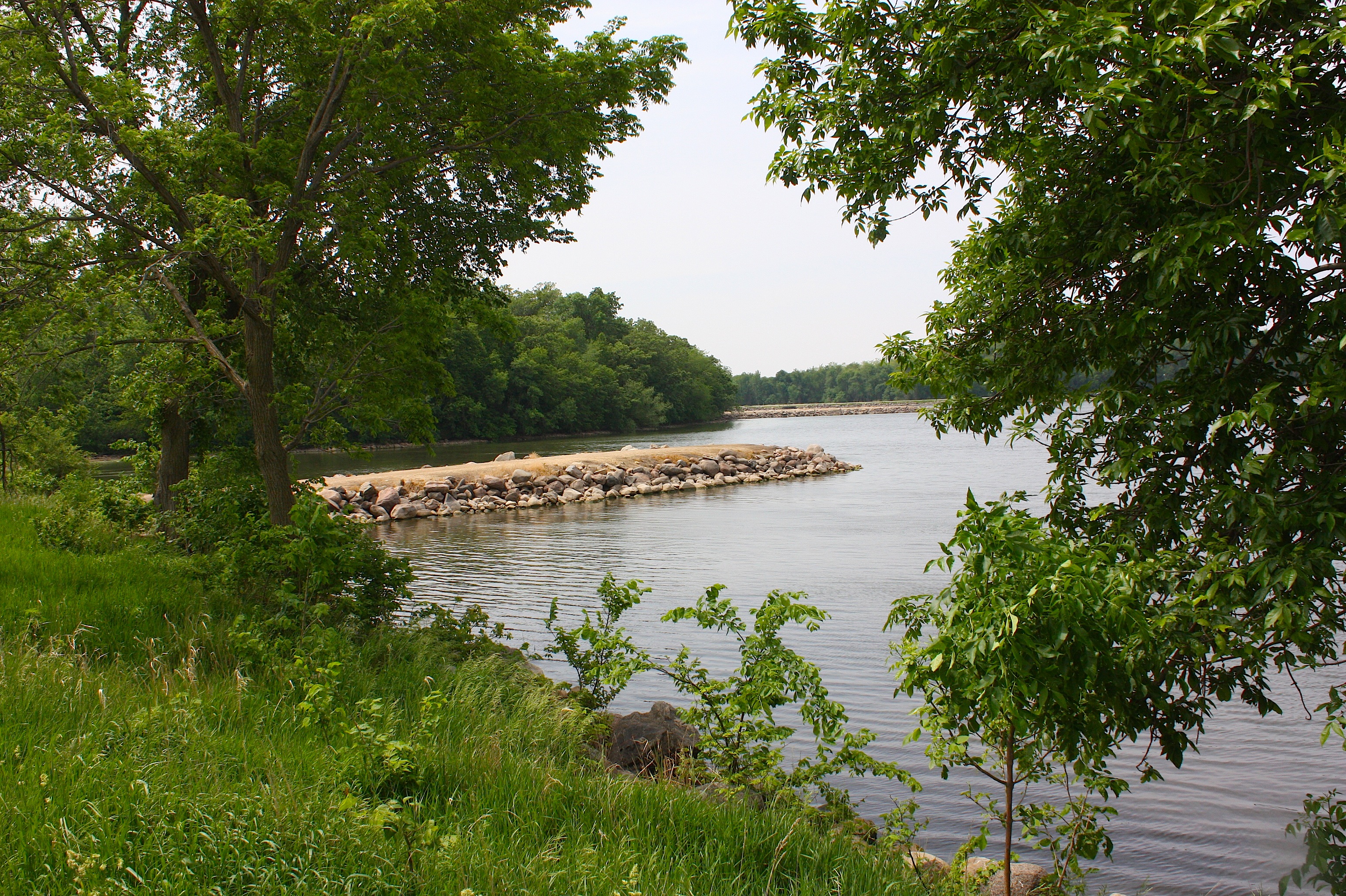
The 510-acre Swan Lake State Park is managed by the Carroll County Conservation Board. The 116-acre lake is the main focus, and there were dozens of RV campers there this weekend.
At that point my feet were sore and I was sweaty and tired. I snarfed down a peanut butter sandwich in my car and then headed to Manning.
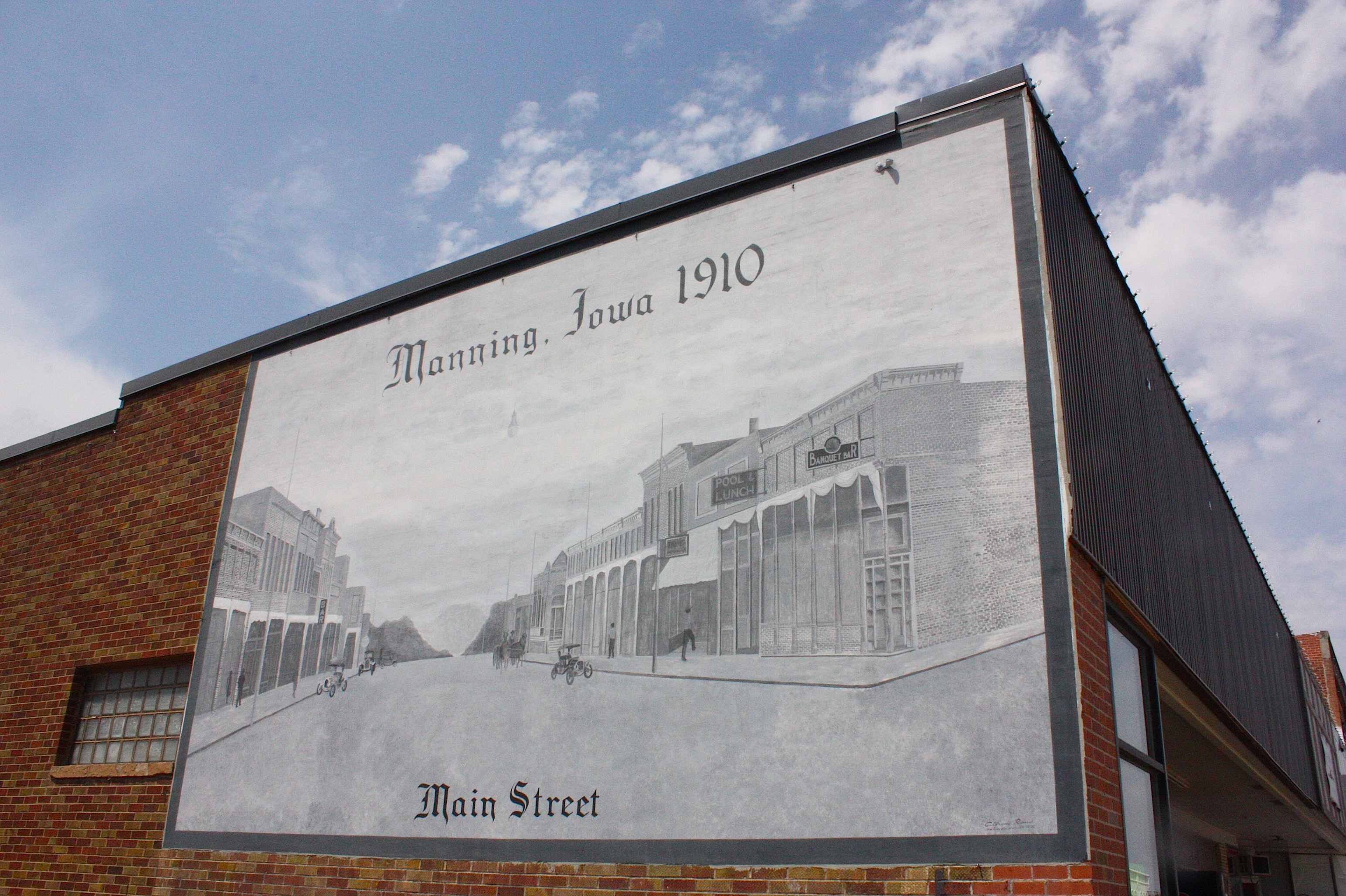
Manning is a little German town right in the middle of Iowa. Residents have embraced their German heritage since the community was founded in 1881 by Schleswig-Holstein immigrants. My main reason for wanting to go to Manning was to visit the German hausbarn and homestead, and I was not disappointed.
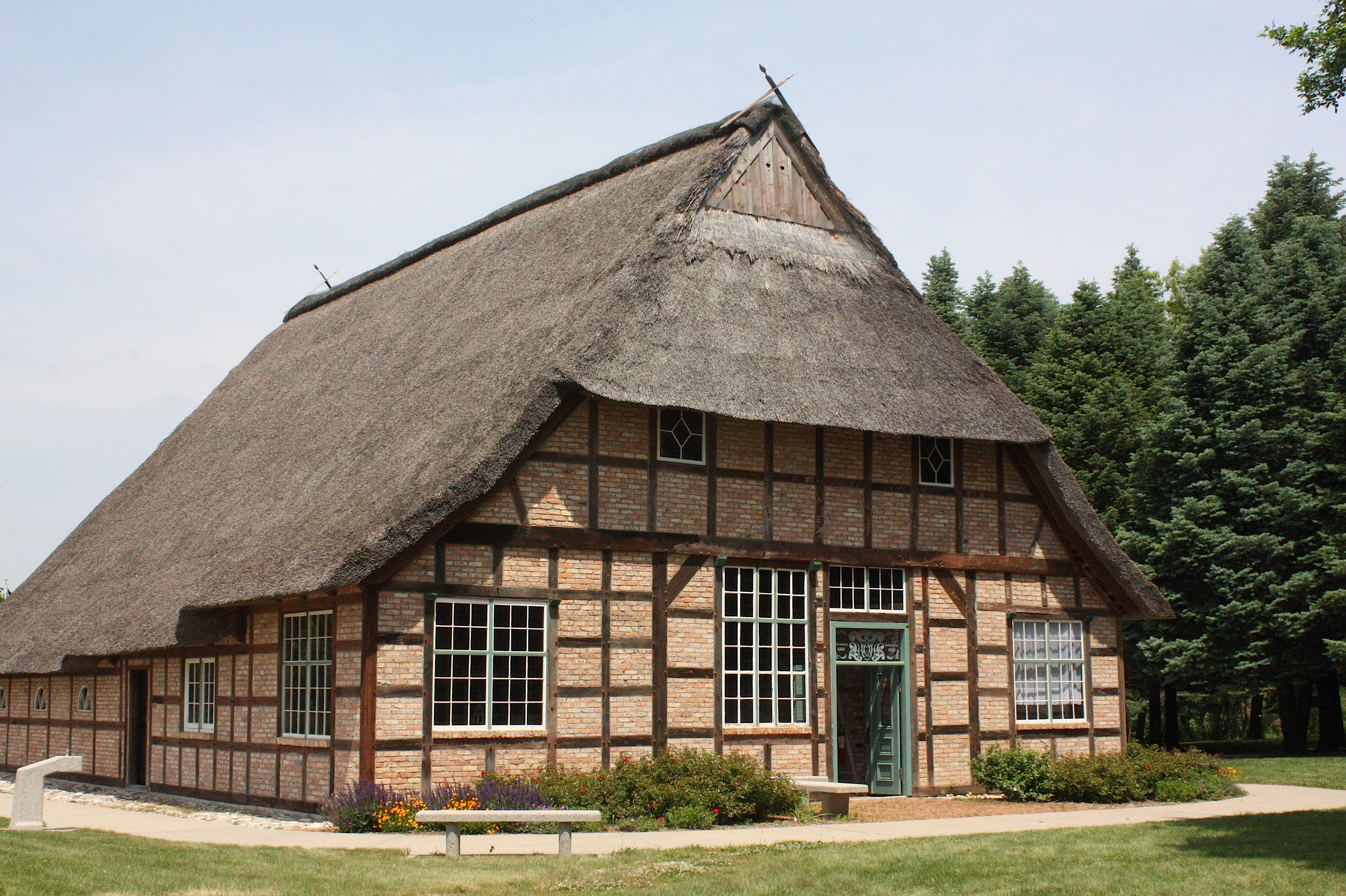
Located just south of Hwy. 141 in Manning, the Manning Heritage Park features an authentic German hausbarn built in 1660. A hausbarn in a unique structure that consists of living quarters (bedrooms, living, dining, and cooking areas) and also areas for housing livestock, farm equipment, and feed.
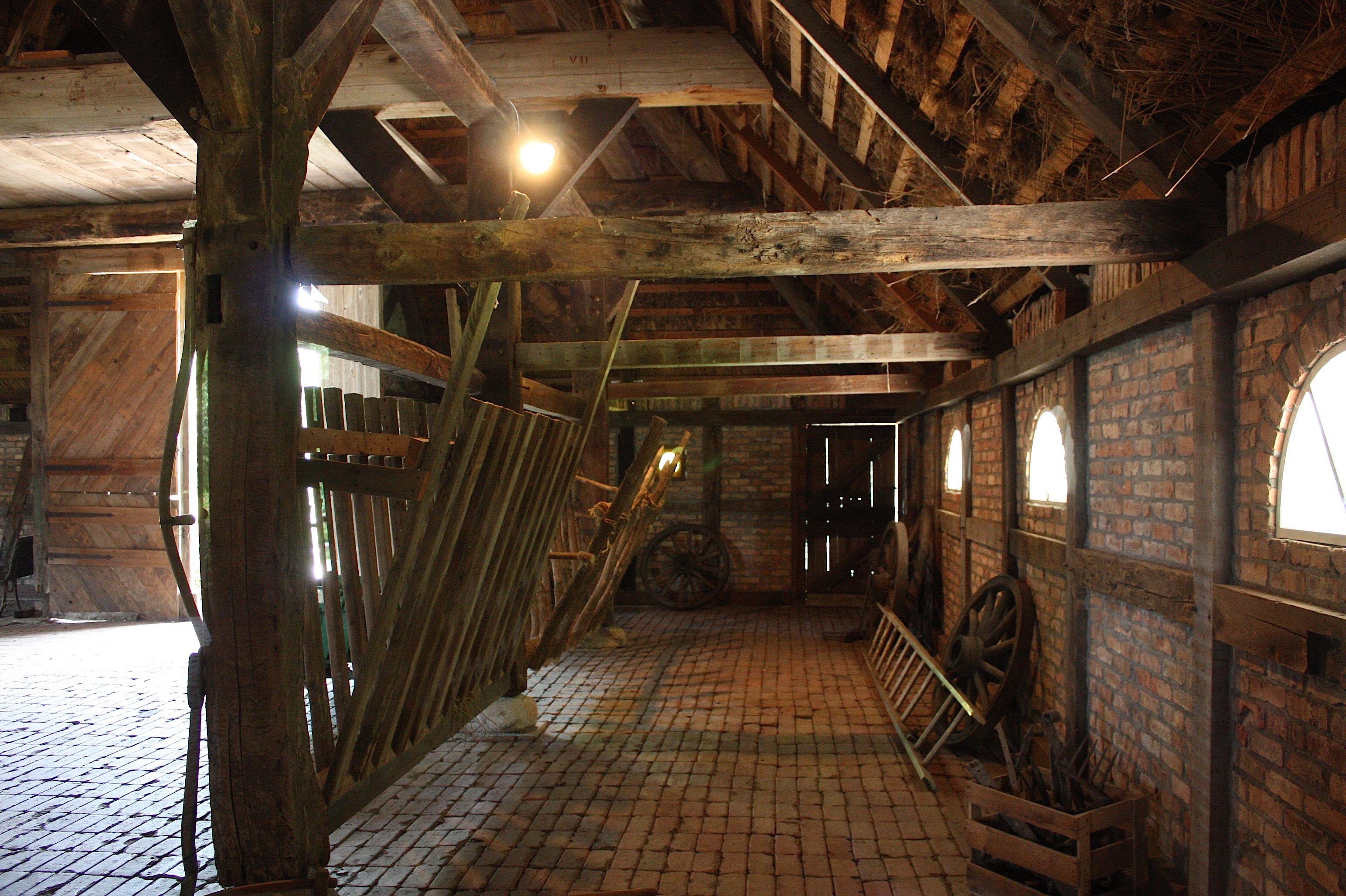 The Manning hausbarn came from northern Germany. It arrived in Manning in September 1996 to be reassembled/reconstructed with the assistance of German carpenters. (Check out the website for interesting construction details.) The building includes brick masonry outer walls, heavy timber support structures, brick interior walls, and a thatched roof. The roof is the most interesting part, given that it contains 20 tons of reeds. Three professional thatchers actually came from Germany to assemble the roof. (Who even knew there was such a thing as a professional thatcher?) All this work took several years to complete, and the hausbarn was dedicated in August 2000.
The result is a truly magnificent barn worthy of a trip to Manning, Iowa, (and a $6 admission fee) to see. In addition to the hausbarn, there’s also a 1910-ish historic farm site – the Leet/Hassler Farmstead – consisting of a Craftsman-style house, carriage house, barn, boar house, chicken house, and corncrib. All are in wonderful condition, and the park setting is shady and well-maintained.
 Last stop is the Trinity Church, a 100-year-old Lutheran church on a hill above the hausbarn and farmstead. Built in 1913, the Manning Heritage Foundation moved the church in 2006 to the park from its original site nine miles south of Manning. It’s available for weddings and other special events.
After I toured the historic sites, I headed into Manning’s downtown. Main Street is wide and tidy, with plenty of free parking and nice German architecture…but not much to do. I was there at 2:15 on a Saturday afternoon and couldn’t find anything to eat or any shops to poke around in. (The Travel Iowa website promised antiques stores, but I saw none.) I left the downtown area disappointed.
But before I left Manning altogether, I had one more stop to make. I wanted to see the John Deere mosaic created by ISU alum Clint Hansen (who also designed the mosaic mural in the ISU Alumni Center, where I work). As a traveler hurrying down Hwy. 141, it would be easy to drive right on by the John Deere dealership and think that the artwork is nothing more than a vinyl banner or painting – but don’t. Stop your car, get out, and look closely. The glass mosaic is a tremendous work of art – and I don’t give a hoot about tractors. The artwork is called “Transitions,” and its four panels tell the story of the evolution of John Deere tractors. (Again, the subject matter may not excite you, but the artistry will.)

After I left Manning, I drove a few miles east and a mile north to the tiny, blink-and-you’ll-miss-it town of Templeton, famous for its rye whiskey. I was certain that the distillery would be open since its website said there were tours on Saturday. Maybe the tours were held earlier, but the place was locked up tighter than a whiskey barrel. Perhaps I’ll go back another day.
My next two stops were to have been the Whiterock Conservancy and Springbrook State Park, but the temperature gauge said 86 degrees and my feet were still sore from my Swan Lake walk, so those, too, will have to wait for another day.
CelebrAsian
According to a story in yesterday’s Des Moines Register, there are 52,000 Asians living in Iowa. Today they came together to celebrate their culture.
Fourteen distinct sectors were represented at the 10th annual CelebrAsian, the largest Asian-American heritage festival in Iowa. The family-friendly celebration included food vendors, a cooking center, a martial arts village, continuous stage entertainment, and many goods for sale.

But the best part about the festival was the people watching. I don’t believe you would find a more diverse or interesting group of people at any other Iowa gathering. And everyone, young and old, seemed to be having a good time.
Specific cultures represented in tents surrounding the east campus of the Iowa State Capitol complex included Thai, Nepalese, Indian, Japanese, Chinese, Filipino, Lao, Malaysian, Indonesian, Vietnamese, Hmong, Tai Dam, Korean, and Cambodian.
 I attended the event with my daughter, Katie. We were tempted by food in most of the vendor booths but ended up dining mostly on Indian food: tandoori chicken for her, vegetables and rice for me, and spiced corn on the cob and cucumber salad for both of us.
Katie got a free henna tattoo and an Indian bindi on her forehead. I watched a little girl play with a pink balloon.
Another thing we both enjoyed was watching the takraw tournament. We thought the game looked like volleyball, only played with your feet. We especially liked the athleticism of some of the younger players. According to the Register, takraw is popular in southeast Asia and combines soccer and volleyball, “with players using their feet, knees, chests, and heads to volley a rattan ball back and forth over a net.”
 CelebrAsian is sponsored by the Iowa Asian Alliance.
Oh, and did I forget to mention? Hello Kitty was there, too.
Kentucky, North Carolina, and Virginia
My friend and photographer Jim Heemstra and I added three more states to our 50-state project last week: Kentucky, North Carolina, and Virginia. (Now only 37 more states to go.)
I must say that traveling to so many states in such a short time has really opened my eyes to the fact that this is a really amazing, geographically diverse, and beautiful country. Hawaii was stunning, yes, but in my opinion it has nothing over the Blue Ridge Mountains, Shenandoah National Park, or the horse farms of central Kentucky – all areas we visited last week.
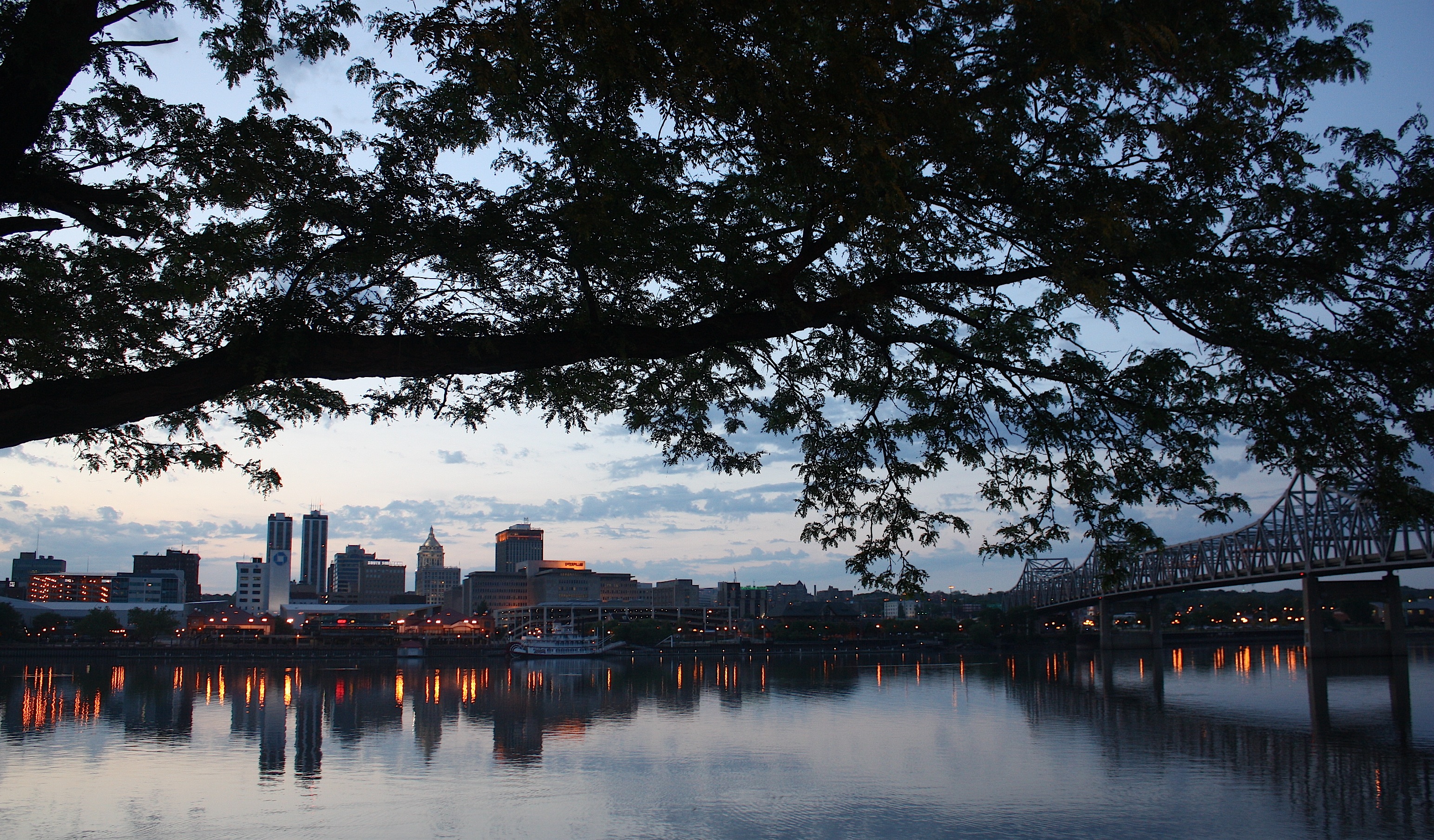
We headed out the afternoon of May 1. We stopped in Iowa City at the New Pioneer Co-op for yummy vegan salads (and cheese for Jim) to eat later that night. Our first overnight stop was in Peoria, Ill. We sat by the riverfront (surrounded by the most goose poop I’ve ever seen in my entire life), ate our picnic dinner. and watched the sun set over the bridge.
The next day we did nothing but drive. Our day ended in Georgetown, Ky., our home for the next two days. It was a hot day – the temperature gauge read 90 by the afternoon – and the sun had been beating up on us through the windshield. So although we had good intentions of exploring Georgetown on foot or driving to other nearby towns to explore, we ended up at the well-air-conditioned Galvin’s restaurant on Main Street, where the mostly local crowd was gearing up for the Kentucky Derby.
Like any good beer connoisseurs, we wanted to try the local brews. Luckily, Galvin’s had several on tap, so we opted for a taster tray to start with. The only two I remember were Kentucky Ale and Kentucky Bourbon Barrel Ale – both brewed by a company called Alltech’s Lexington Brewing Company. I expected to dislike the Bourbon Barrel Ale, but it was surprisingly smooth and tasty. But the Kentucky Ale won out. It’s a beer I’d definitely buy again.
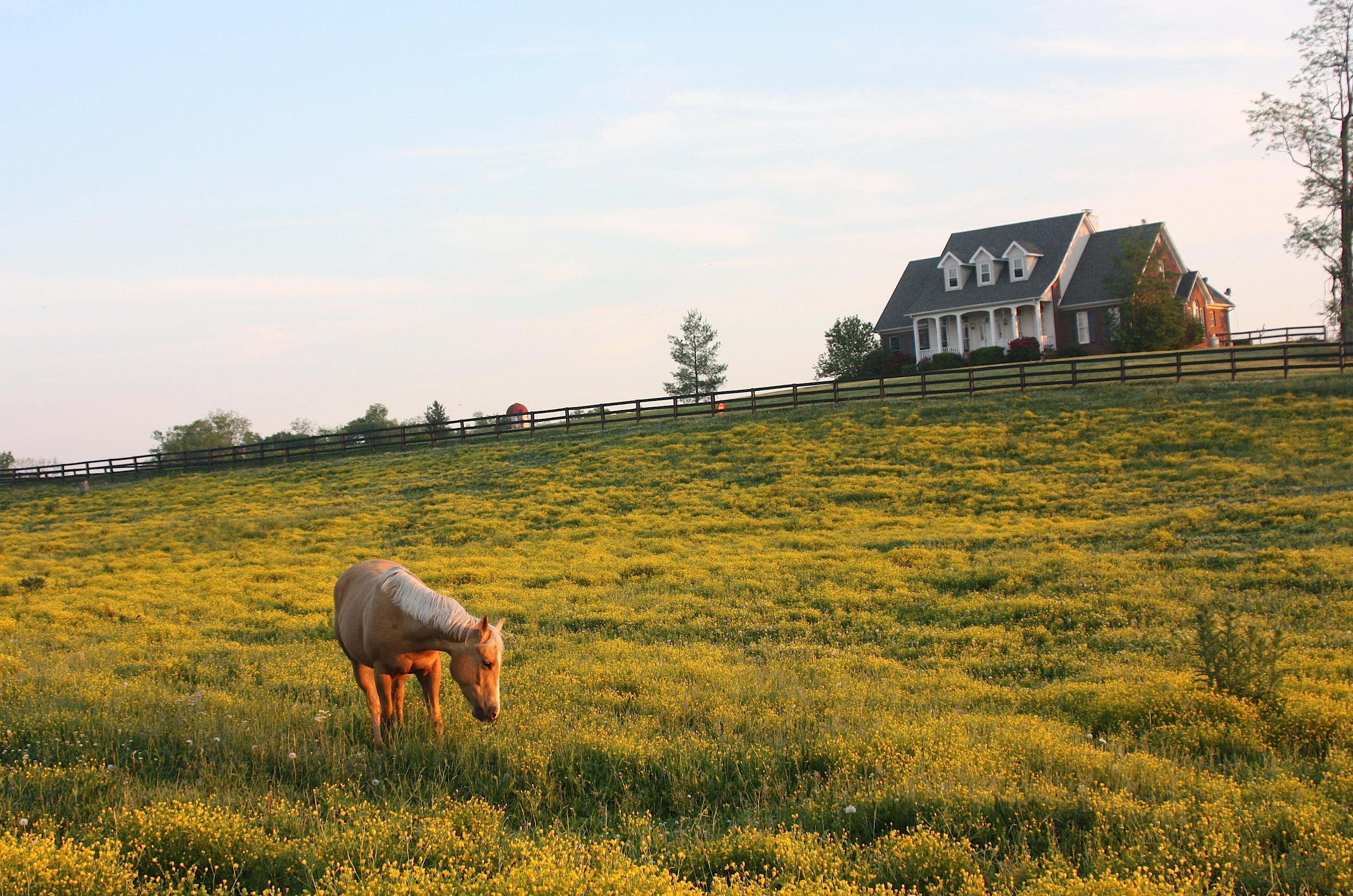
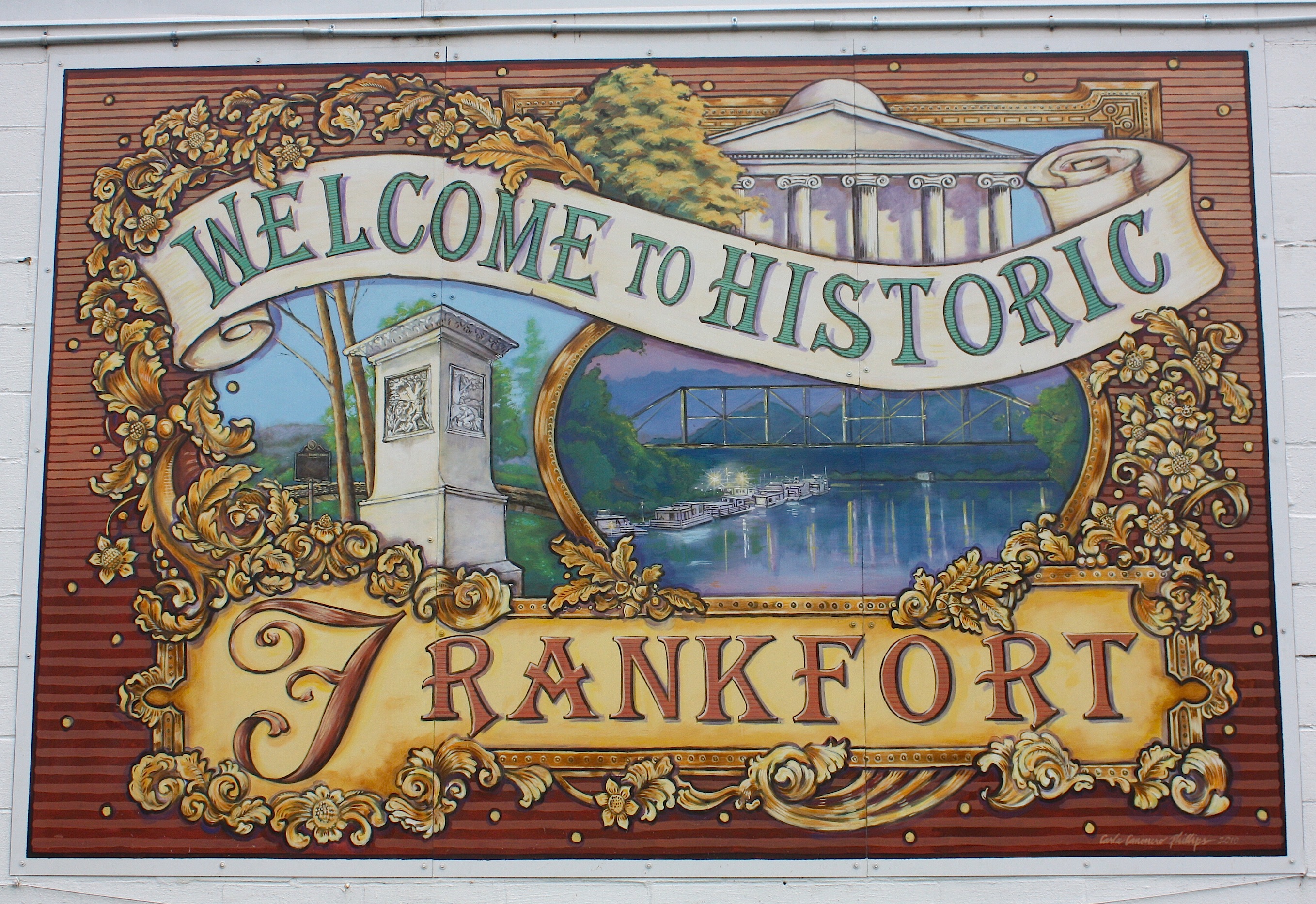 The next morning we had to start working. We drove a short, scenic distance to Frankfort, Ky., stopping along the way to photograph horses in fields. Frankfort, a rather small city, is the capital of Kentucky and home to two capitol buildings – the old one built in 1830 and the “new” capitol built in 1910. Apparently there was a quarrel among Louisville, Lexington, and Frankfort over which city should be Kentucky’s capital. I’m not sure how Frankfort was ultimately chosen, but it’s a pretty town that can be seen in its entirety from the Frankfort Cemetery built on a bluff (and – a bonus! — containing the grave of Daniel Boone.)
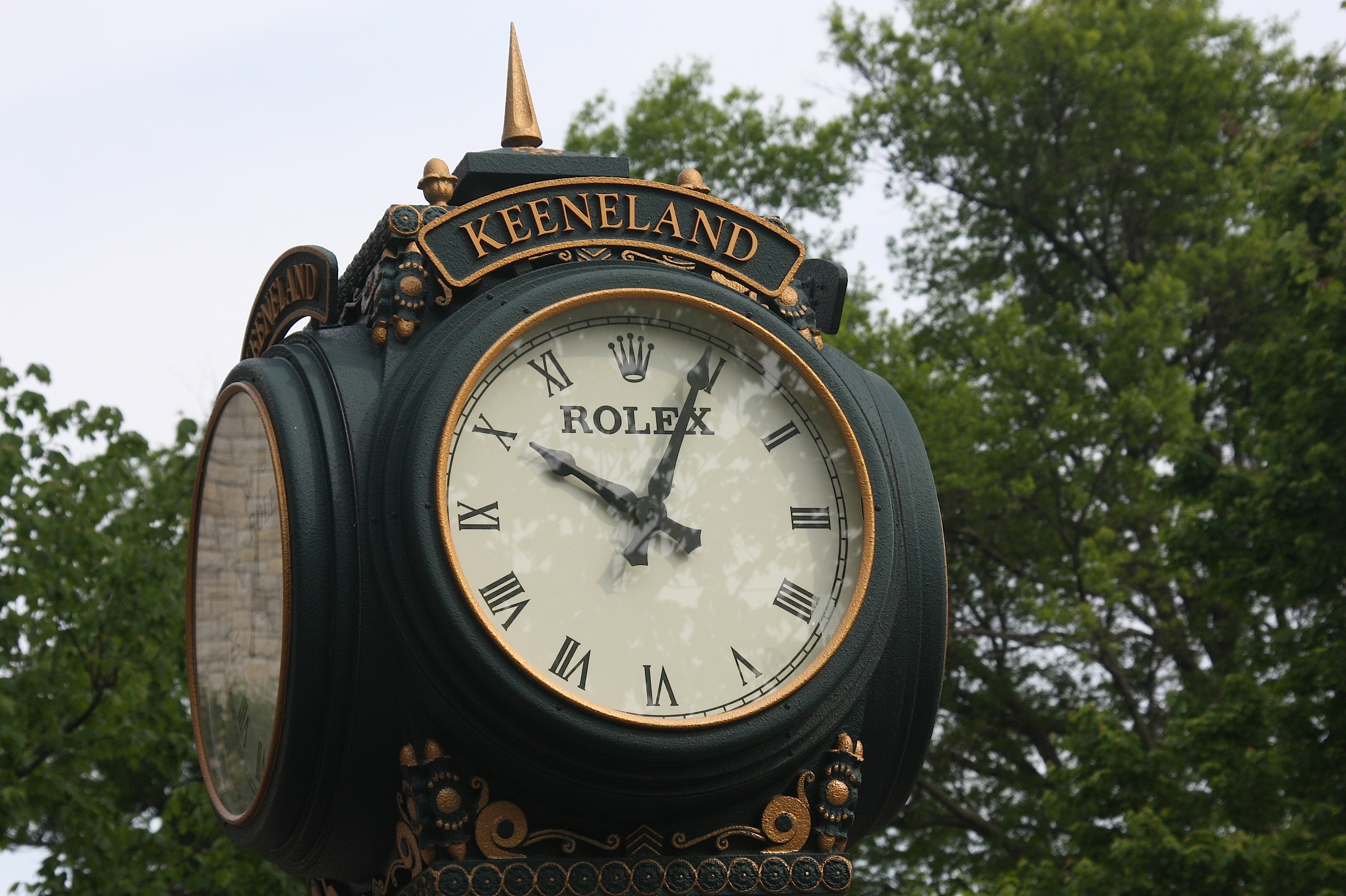 We spent time with our Iowa State alumna in Frankfort, and she also took us to Lexington to the Keeneland horse-racing track and to the Four Roses bourbon distillery. I was not aware that bourbon cannot be called bourbon unless it’s made in Kentucky (kind of like Champagne, I guess). Julie and I did a bourbon tasting but I didn’t like the taste any better surrounded by Kentucky bluegrass than I have anywhere else. I am just not a fan of bourbon.

Later that day, Jim and I had a little bit of time to explore the horse farms near Lexington, and we met with an equine veterinarian who has a horse farm of his own. I like to look at horses from a distance but, as it turns out, I’m not so great with them up close. It’s a long story.
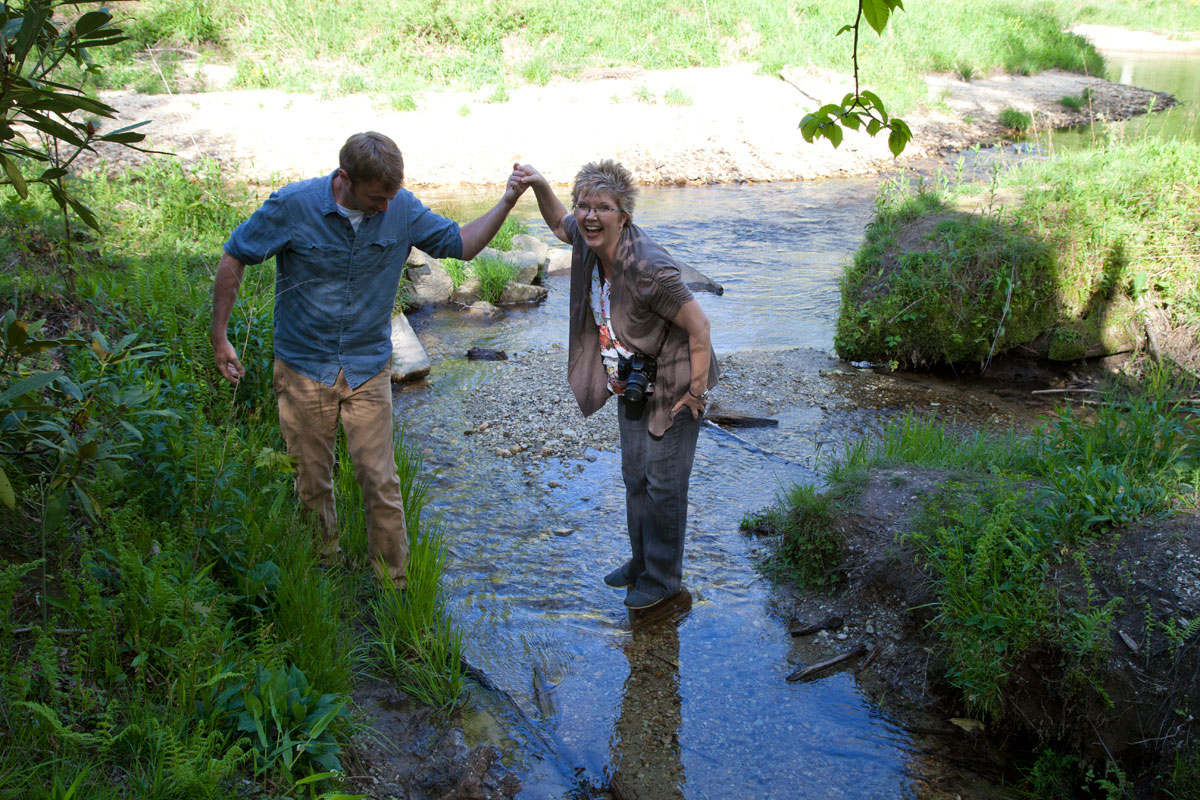
We left Kentucky bright and early the next morning and took a long and winding journey to Boone, N.C., where we met another alum. He took us for a hike at the Julian Price Memorial Park, a short drive down the Blue Ridge Parkway. I had on the wrong shoes and didn’t have a hiking stick, so when we came to a creek way too wide to jump over, I balked. I didn’t want to have wet shoes and didn’t want to fall in and I definitely didn’t want to walk across the log as Joe suggested. So he found a big rock and put it in the middle of the creek and helped me cross. Jim thought it was very funny and took lots of pictures. But I will just say I did NOT fall in.
Boone is a fun college town, home of Appalachian State University. There’s a funky mix of people, so there’s a funky mix of shops, bars, and restaurants. Joe took us to Murphy’s Pub for food and beer.
The area around Boone is just overflowing with opportunity for outdoor adventure. Besides Julian Price and the really beautiful Blue Ridge Parkway, there’s Hebron Falls, Linville Falls, and lots of other places, none of which we had time to explore because we had to get to Virginia.
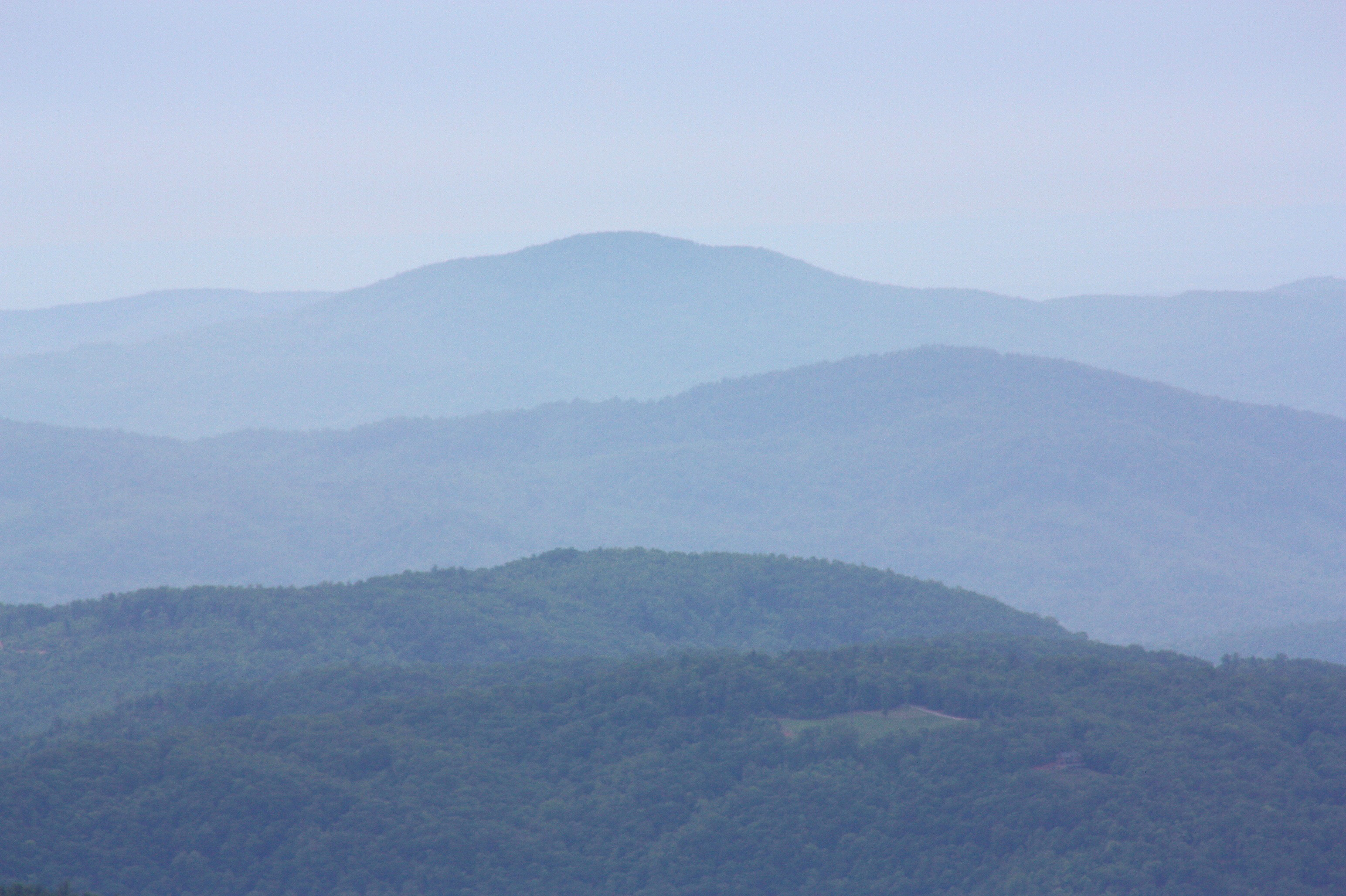
Our day traveling from Boone to Staunton, Va., was as frustrating as it was scenic. We started out on the Blue Ridge Parkway, planning to take it a few miles and then hook up with Interstate 77 so we could make better time the rest of the way. Unfortunately, about halfway up the Parkway section we encountered a detour that took us (very slowly) in the wrong direction. We literally spent hours going nowhere. It was a pretty road but very curvy, slow, and mountainous. I was glad I bought Dramamine the night before in a Boone drug store.
We finally made it to Staunton (in the rain) and walked downtown (in the rain) and found – hallelujah! – a vegan-friendly restaurant with a kick-ass wine list.
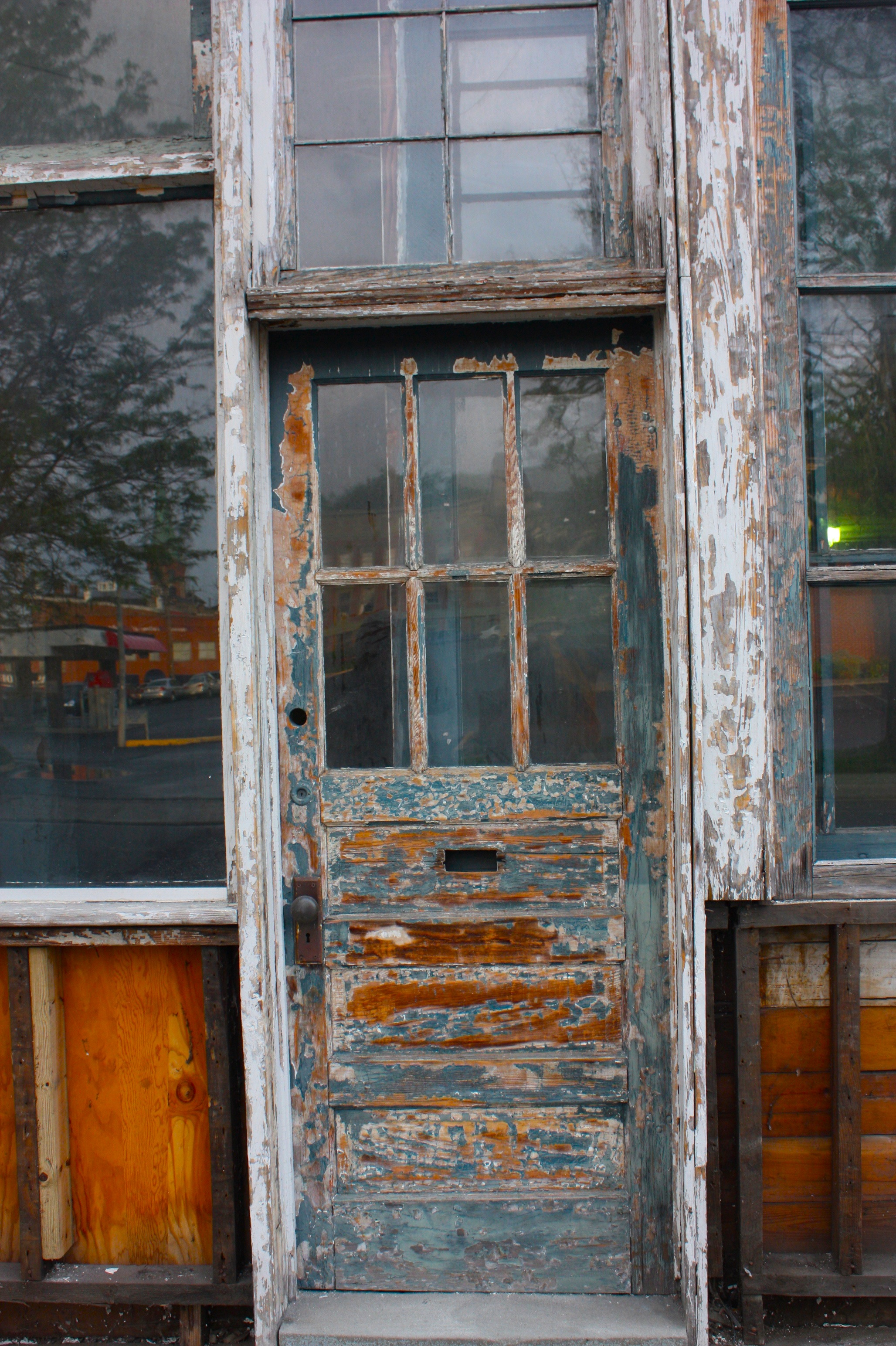 Staunton (pronounced “Stanton”) is a really cool town nestled in the Shenandoah Valley. The historic downtown, honored by the National Trust for Historic Preservation, is famous for its arts scene and restaurants. I wish I could show you more pictures of it, but we were there for a very short time. In the rain.
After our final alumni story assignment — in rural Verona not far from Staunton, where we were treated to a home-cooked breakfast and got to play with chickens – we took the most direct route we could find to Shenandoah National Park.
My previous experience with this national park was in 2003 when Dave and the girls and I went there for a family vacation. I was really gung-ho about hiking back then and wanted desperately to hike the Appalachian Trail. I also wanted to experience the beauty of Shenandoah. Unfortunately on that trip it rained every day and there was so much fog in the park that Skyline Drive and its famous overlooks were nothing but white.
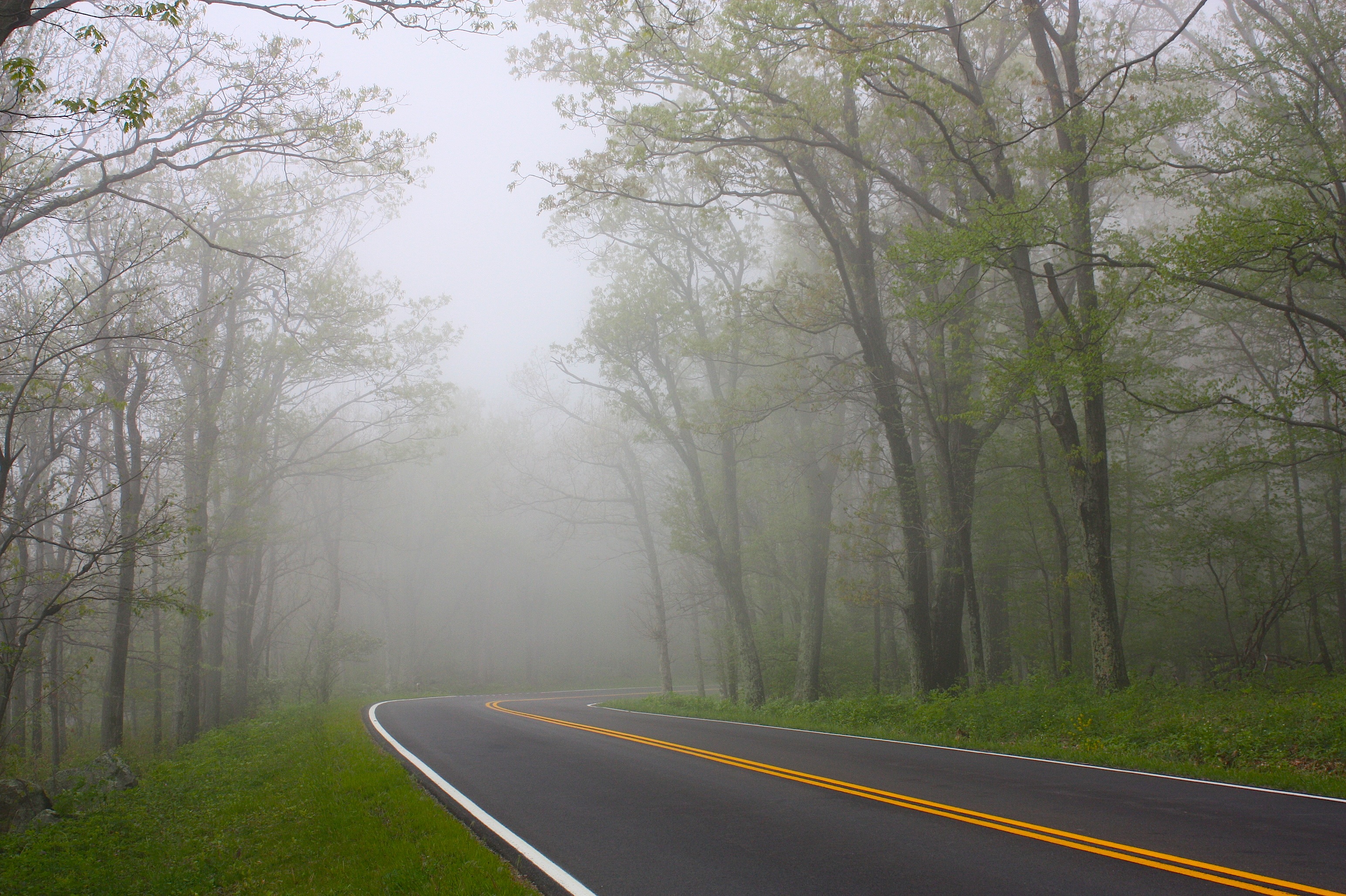
I had high hopes for this visit, but pulling in to the park (after a sunny drive there) we were greeted by…..FOG. Fog on the roads, fog on the hiking trails, fog in the picnic area (where we ate peanut butter sandwiches and potato chips and grumbled about the fog). Fog at Skyland Resort.
Skyland is where my family stayed in 2003, and that’s where Jim and I stayed this time, too. I like the rustic feel of the place (my kids think “rustic” is just another word for “crappy”) and the big ol’ dining room where the windows overlook the mountains. At least, I assume the windows overlook the mountains – it’s pretty hard to tell when there’s that much fog.
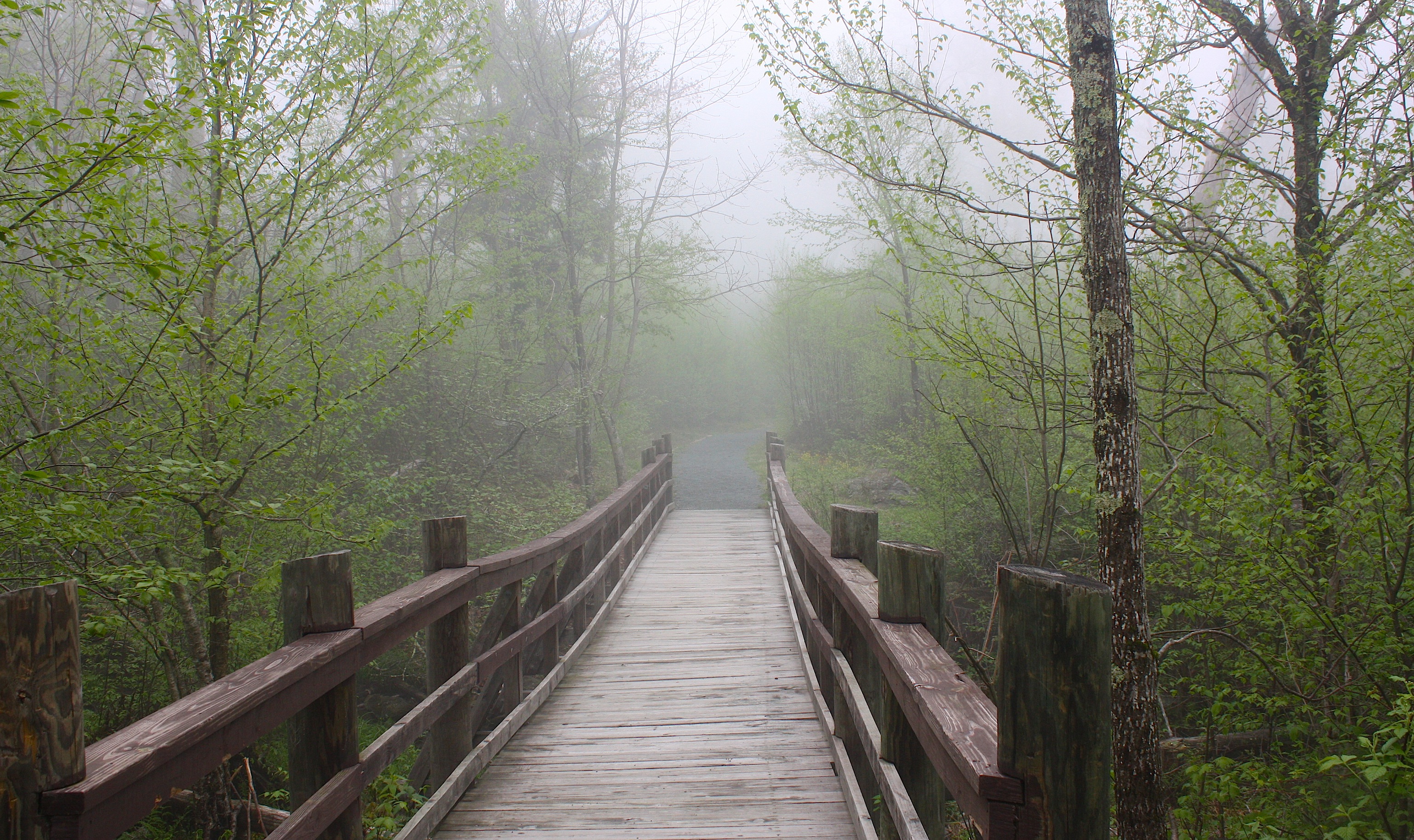
After we checked in to Skyland and hauled our bags up the metal stairs, we drove south on Skyline Drive to the Big Meadows area, hoping we’d eventually run out of fog. There were a few moments of sunshine and a few peeks on the overlooks, but just when we thought the fog was lifting, there it would be: everywhere. We hiked a loop trail and parts of a couple of other trails and called it a day.
The next morning was more of the same so we headed home. After hours and hours and HOURS of mountain driving, it felt wonderful to hit Interstate 80 and get back to Iowa.
1966 Yearbook Project
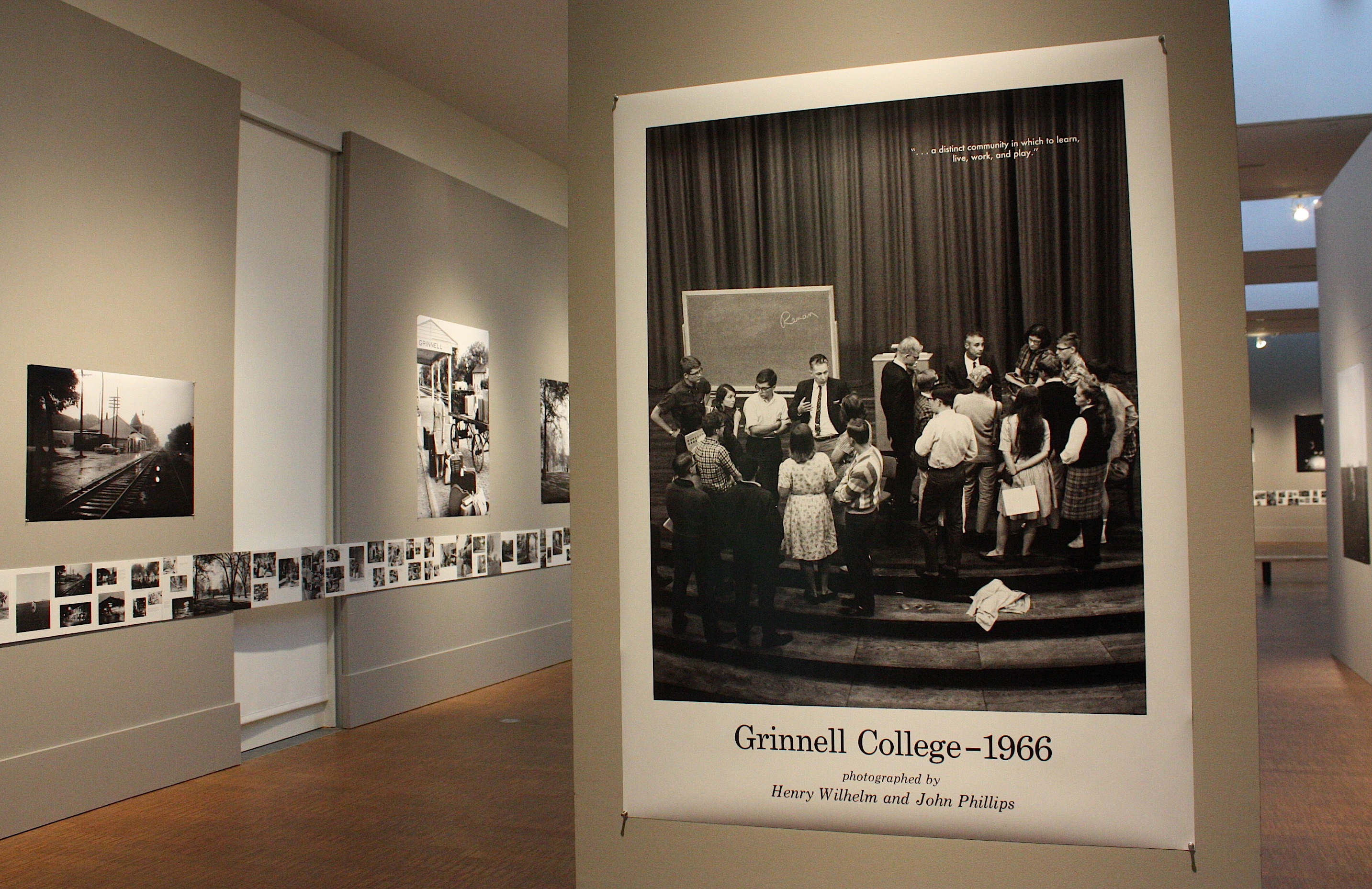
In 1966, the United States was fully immersed in the Vietnam War. Anti-war protests were taking place all across the country. 1966 was also a year for race riots, mini skirts, marijuana, LSD, and psychedelic rock.
During that year, Grinnell, Iowa, was just beginning to feel the effects of this seismic shift in society. Grinnell College was a year or two away from all-out war protests and involvement in the then-still-mostly-underground drug culture.
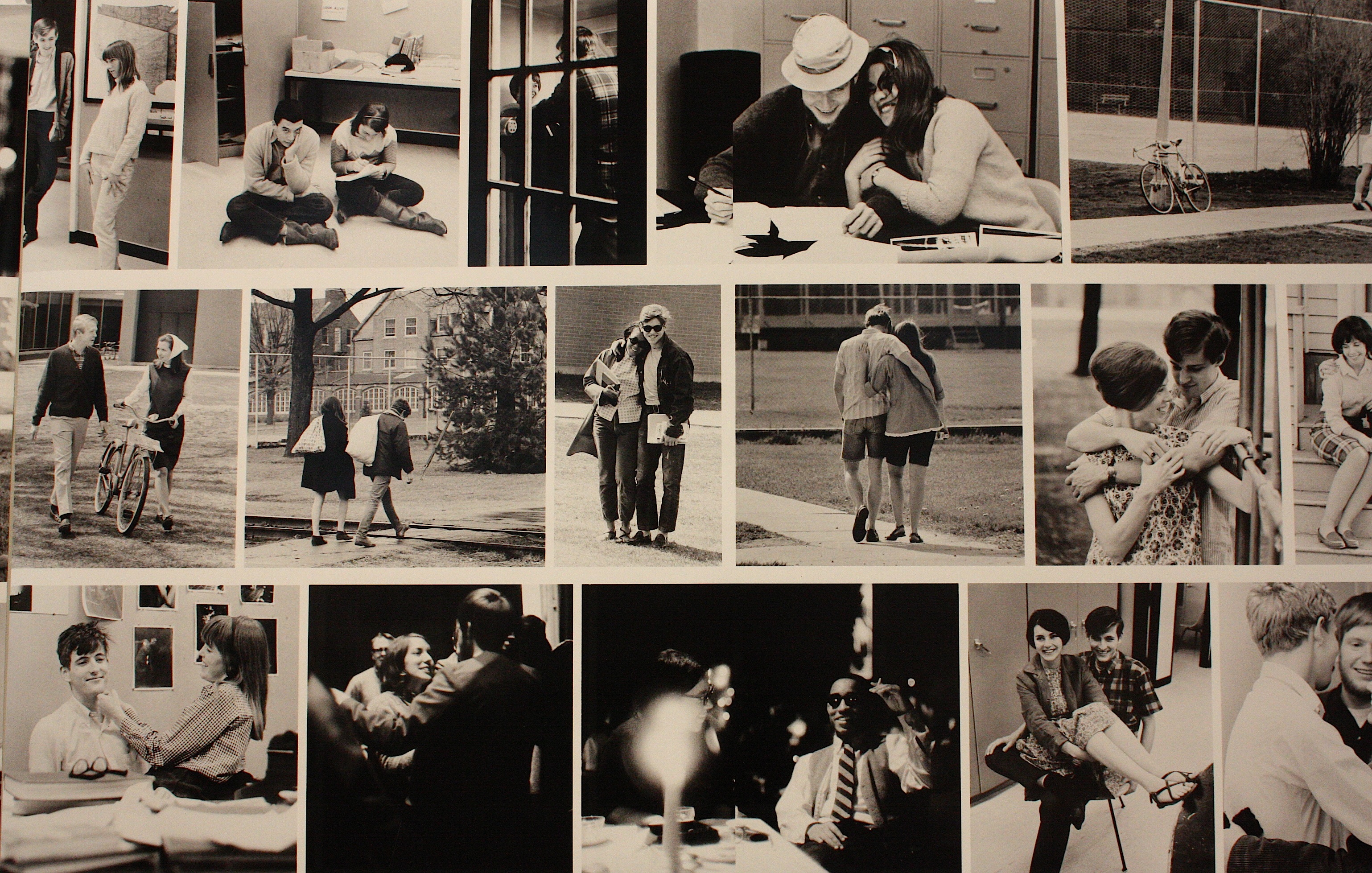
The 1966 Grinnell College yearbook staff covered that year in stunning black-and-white photos. Photographers Henry Wilhelm, John Phillips, and others captured student life and academics at Grinnell and produced a yearbook with very few words – and, by today’s standards, very little controversy.
But the book WAS controversial. The college administration refused to publish the book. It was not until 20 years later, in 1986, when Wilhelm and fellow Grinnell alumnus Tom Lannom went to then-college president George Drake with a box of photographs and a request to finally print the 1966 yearbook.
Drake writes, “I was stunned by the beauty of the photography as well as the evidence of strong editorial judgment. Grinnell College 1966 is the best college annual I have ever experienced.”
The yearbook is now on exhibit in the Faulkoner Gallery in Grinnell’s Bucksbaum Center for the Arts. Complete pages of the yearbook are on display in their original size, running around the perimeter of the gallery. And 100 photos have been scanned, digitally remastered, and enlarged for the show.
As an old “yearbook geek,” I have a deep appreciation for the process of putting together a year in the life of a college. I think the yearbook is one of the most important historical documents a university can produce – and I think it’s a real shame that most colleges have quit publishing them due to rising costs.
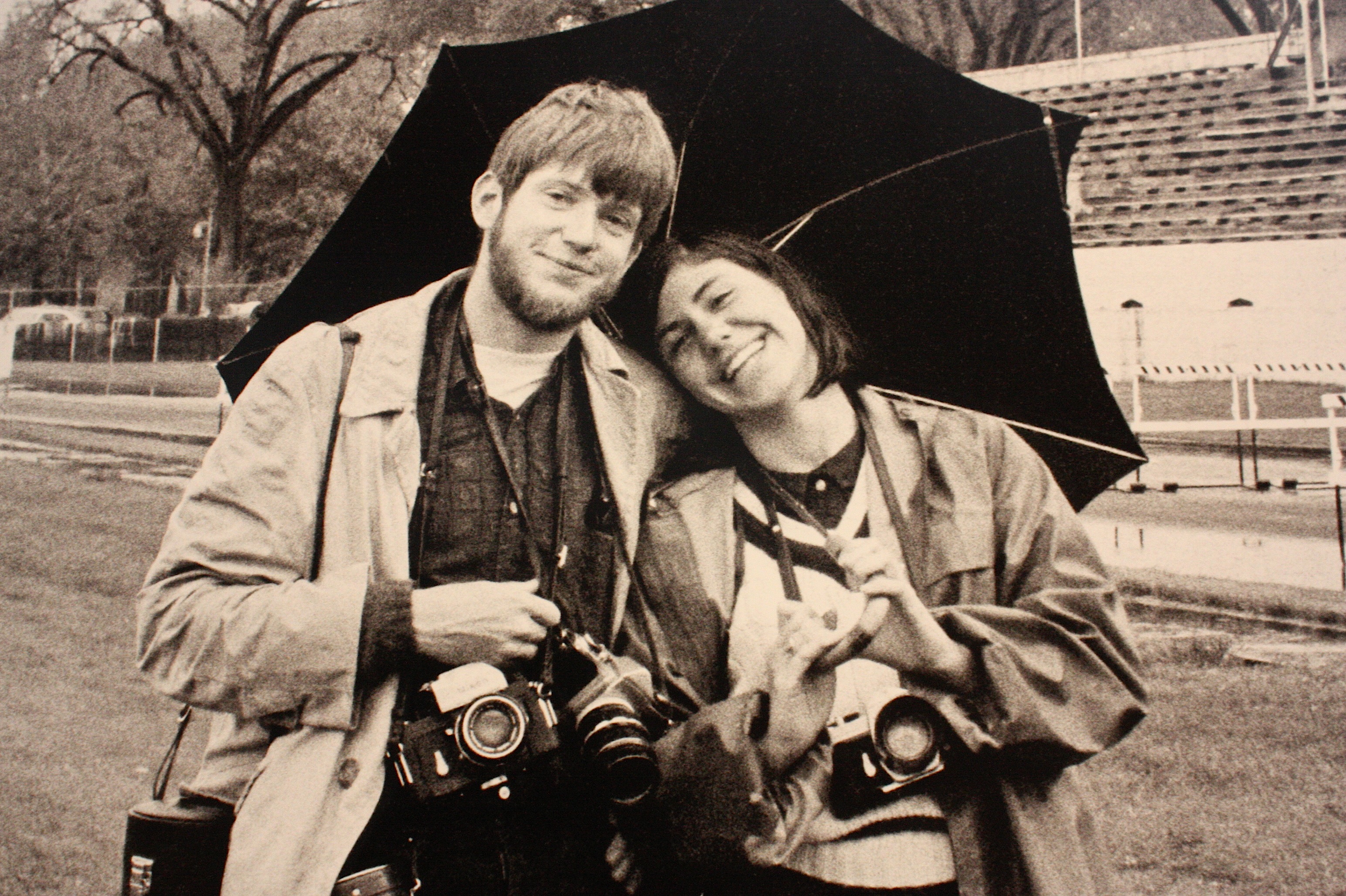
This 1966 Grinnell yearbook is noteworthy not just because of its curious past but also because of the quality of its photography. These photographers captured so much more than a single year – they captured individual stories. After viewing this exhibit, I feel as though I know some of these people. I wish I HAD known them.
Not only is the photography exceptional, but the stark, simple design of the yearbook is outstanding. The type blocks are simple, the lines clean. The remastered digital photos enlarged to poster size for the exhibit contain the grain of the original black-and-white film, and that only adds to their appeal. (Read about the yearbook’s photographers here – each went on to a successful career in photography and/or journalism.)

I highly recommend a visit to Grinnell to view this exhibit. The 1966 Yearbook Project is on display in the Falconer Gallery through June 3. Hours are Tuesday through Sunday, noon to 5 p.m., with evening hours (until 8 p.m.) on Thursdays and Fridays.
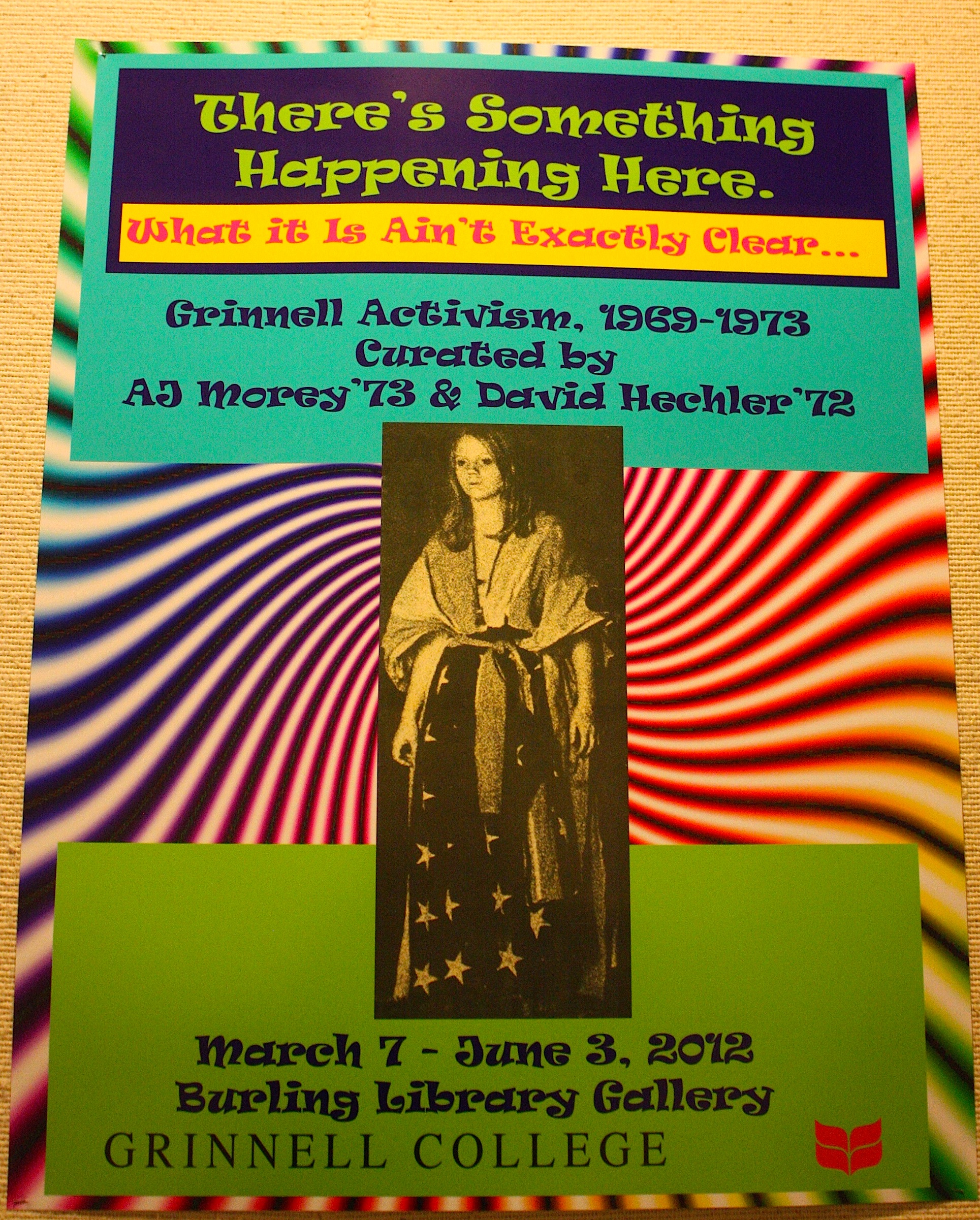 A companion exhibit is on display at the Burling Library adjacent to the Bucksbaum Center. “There’s Something Happening Here” tells the story of Grinnell’s activism from the years 1969 through 1973. The exhibit, located on the library’s lower level, contains photographs, newspaper clippings, signs, posters, artwork, and other artifacts. Don’t expect a museum-caliber exhibit from this one because it’s not. But if you’re on campus, it’s worth a stop. (Drugs! Nudity! Peace signs! What’s not to love about that?)
Vintage Rock ‘n’ Roll

By a stroke of sheer coincidence, I was able to attend two performances this week that took me back to an era of early rock ‘n’ roll.
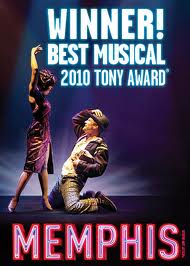 The first performance was Memphis the Musical, now playing at the Des Moines Civic Center. Memphis is the 2010 Tony Award winner for best musical and best original score. And from the looks of the promotional photos, it was one hot musical.
But, in reality, not so hot. The story of the white radio DJ in the 1950s who falls in love with the gospel and rhythm-and-blues sound of the black community – and also falls in love with a young, up-and-coming black singer – left me fairly cold. I kept thinking that somehow it should have been better, more meaningful. I didn’t find myself caring much about any of the characters, and while the music and dancing were very good, there wasn’t anything that, as the show says, “touched my soul.” The story was weak, and the music just couldn’t lift the show to a higher level.
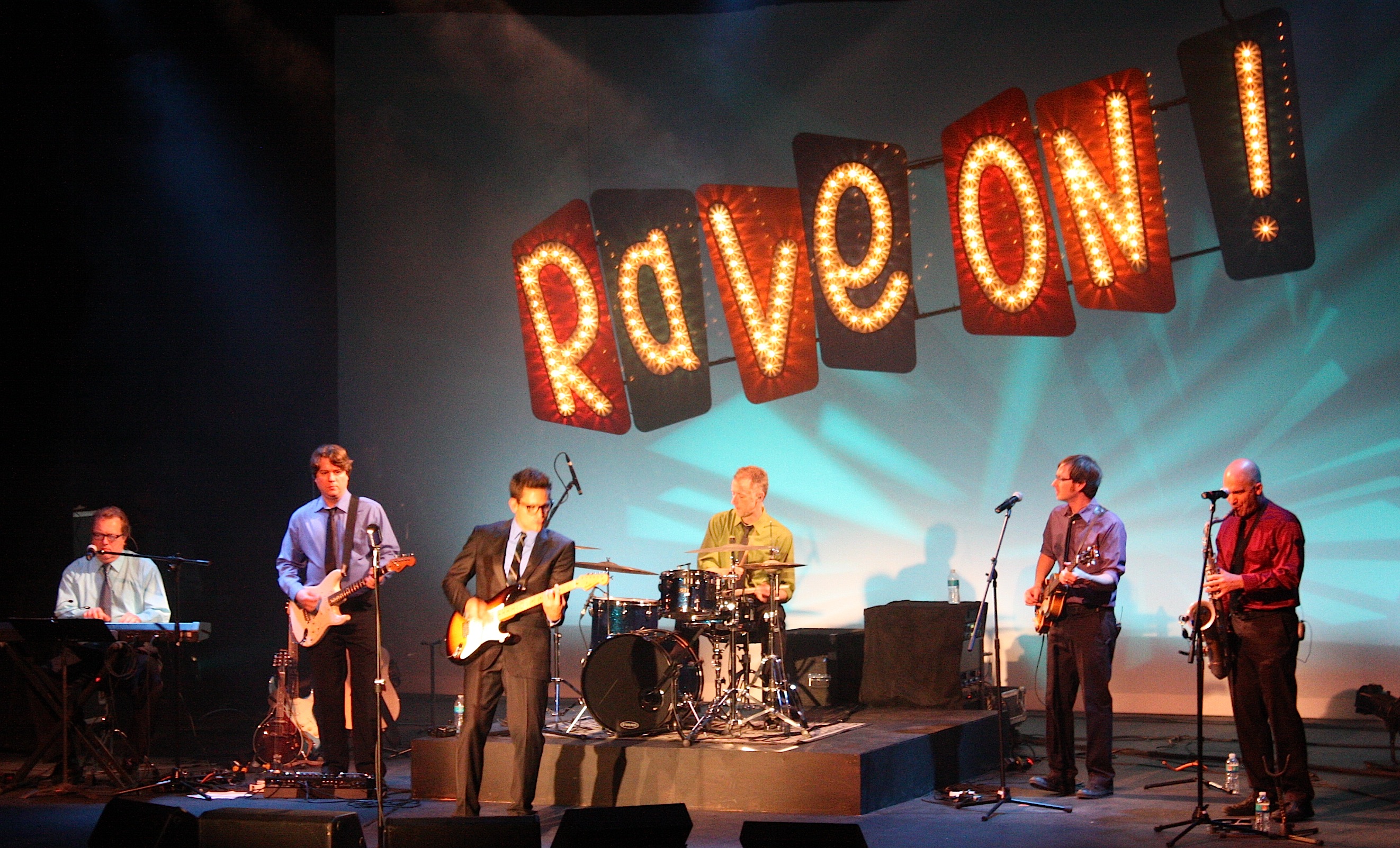 Last night I attended a much smaller (much less expensive) show: “Rave On!”, a tribute to Buddy Holly at the Des Moines Playhouse. It had me up on my feet. In fact, it had everyone in the theater (and, mind you, the median age of the audience was 65) on their feet.
“Rave On!” stars Billy McGuigan as Buddy Holly, backed by the excellent six-piece Rave On Band. Unlike The Buddy Holly Story, a musical I’ve seen three times, “Rave On!” is not bogged down by a story line. It’s just pure fun and hand-clapping rock ‘n’ roll. McGuigan and the band performed every Buddy Holly song I’ve ever heard, and then some. Toward the end of the show, they did a rocking medley of the top songs from Holly’s era – songs by Elvis Presley, The Big Bopper, Ritchie Valens, The Everly Brothers, Jerry Lee Lewis, and Chuck Berry. And everyone sang along to Don McLean’s “American Pie.”
It was a whole lot more fun than Memphis.
La Mie Bakery
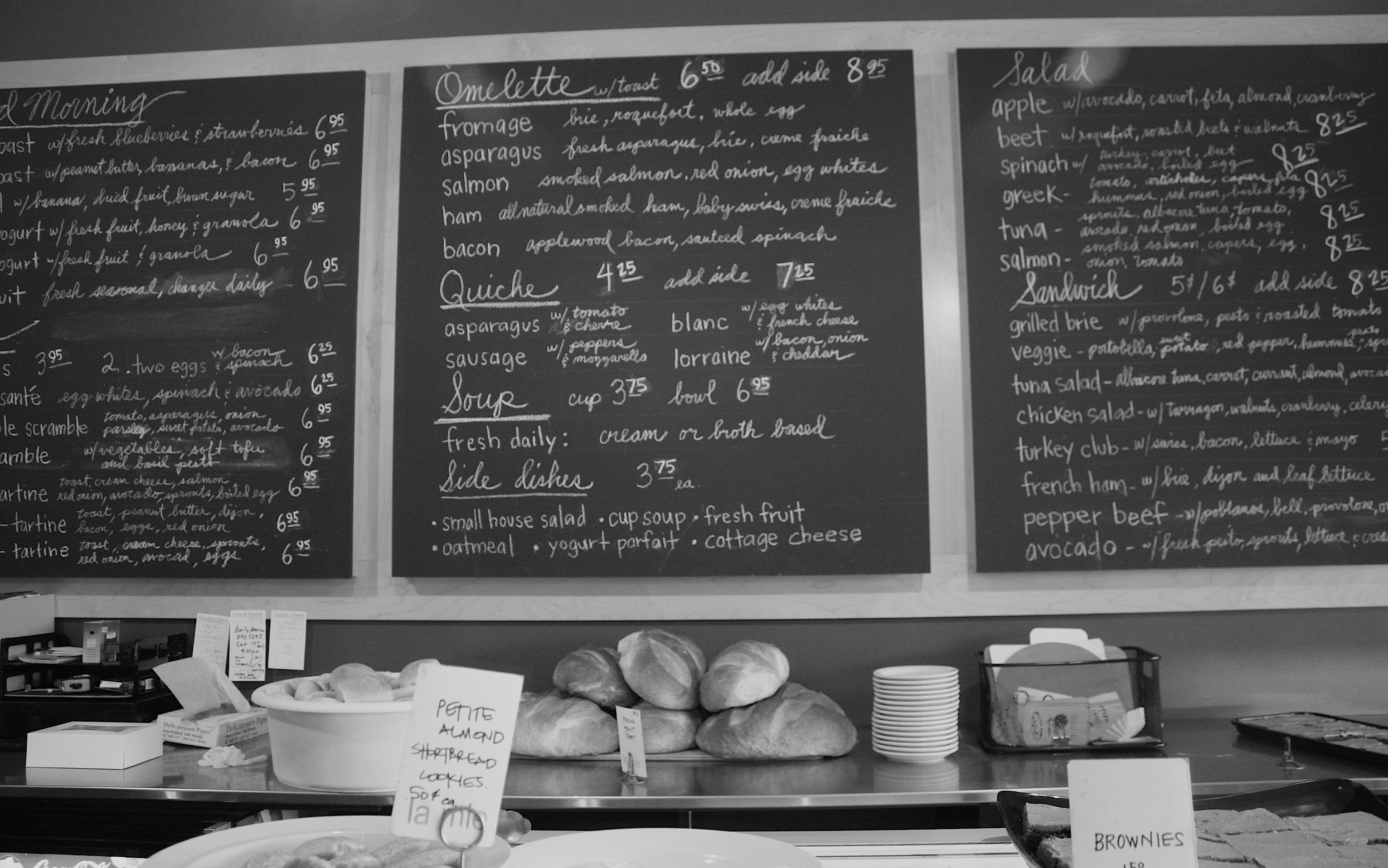
Des Moines is fortunate to be home to a number of excellent bakeries. South Union is probably the best known; you can get sandwiches on this bread all over the metro. But La Mie — ooh la la. The bakers at La Mie are masters at practically everything, from the most basic baguette to the fanciest pastry.
In my opinion, this place can do nothing wrong. I am a huge fan of their scones (especially the raisin pecan). They are the absolute best scones I’ve ever tasted. The bakers at La Mie produce amazing baguettes and ciabatta bread. Their breakfasts and lunches are delicious. I have never eaten anything there that wasn’t fabulous. I absolutely adore their vegetarian sandwich with avocado, cream cheese, and pesto on foccacia bread. Other sandwich offerings include grilled brie and provolone; tuna with carrots, almonds, and currants; and portobello with spinach, red peppers, and chevre.
Salads at La Mie are equally delicious. Here’s one: roasted beets, walnuts, and roquefort. And how about apple, avocado, and almonds with feta and dried cranberries?
Breakfast features omelettes such as fromage (roquefort and brie), fresh asparagus with brie and créme fraîche, and shaved ham with baby Swiss.
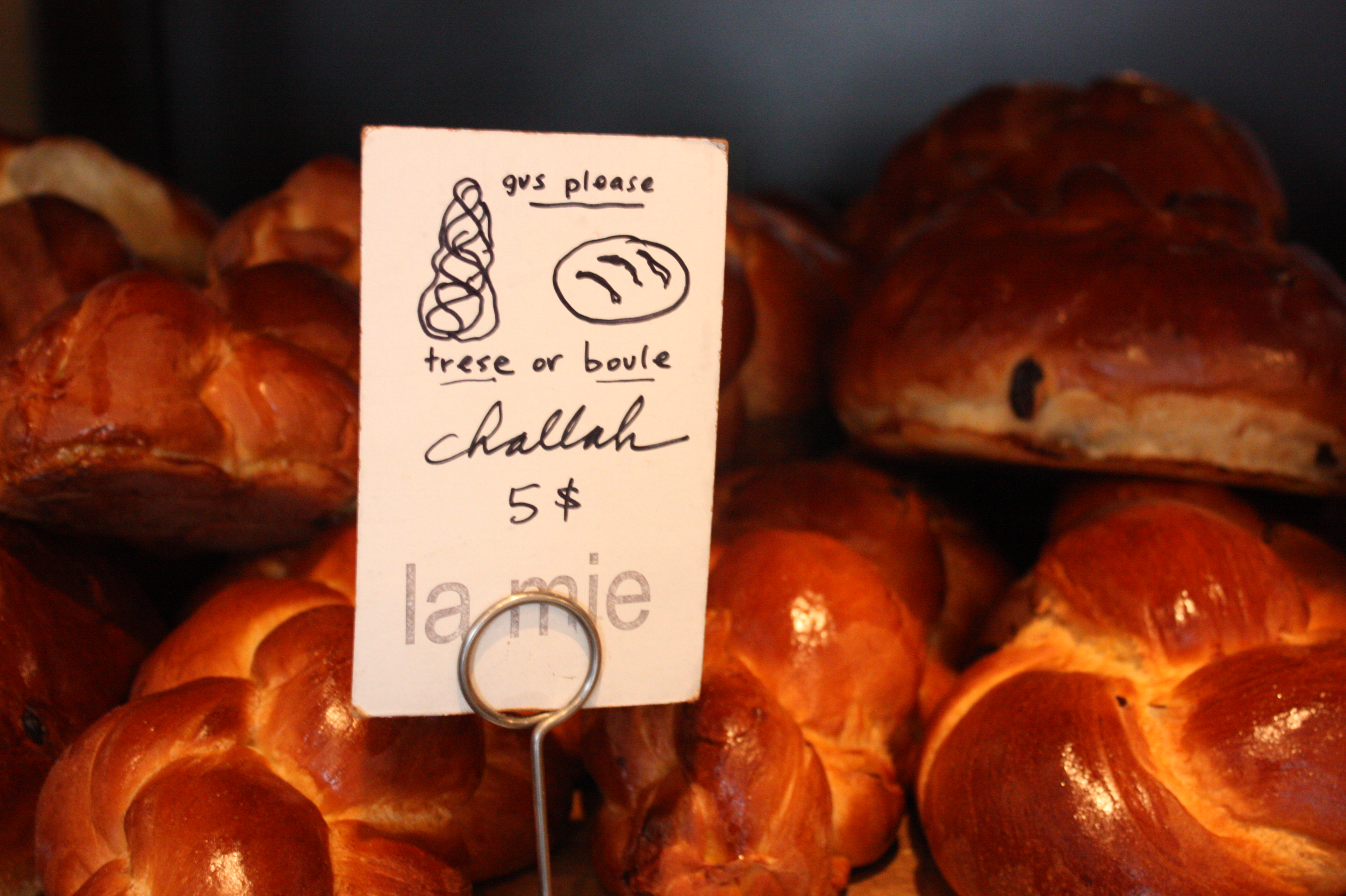
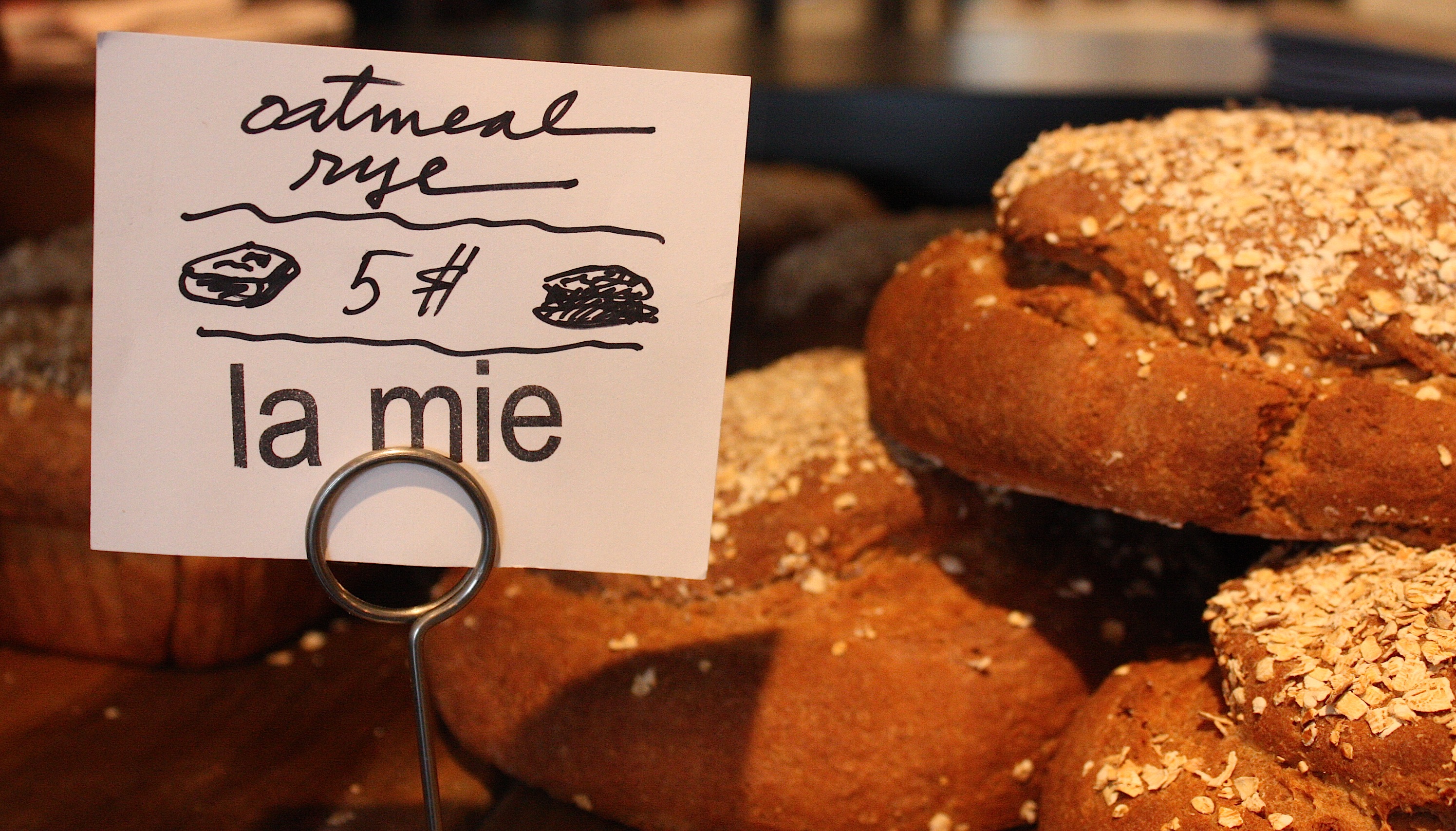
But in my opinion the star of the show here is the bread: Challah, cranberry walnut, cinnamon raisin walnut, wheat, rye, olive ciabatta, and more. La Mie’s crusty European-style artisan breads are made by hand and baked on site.
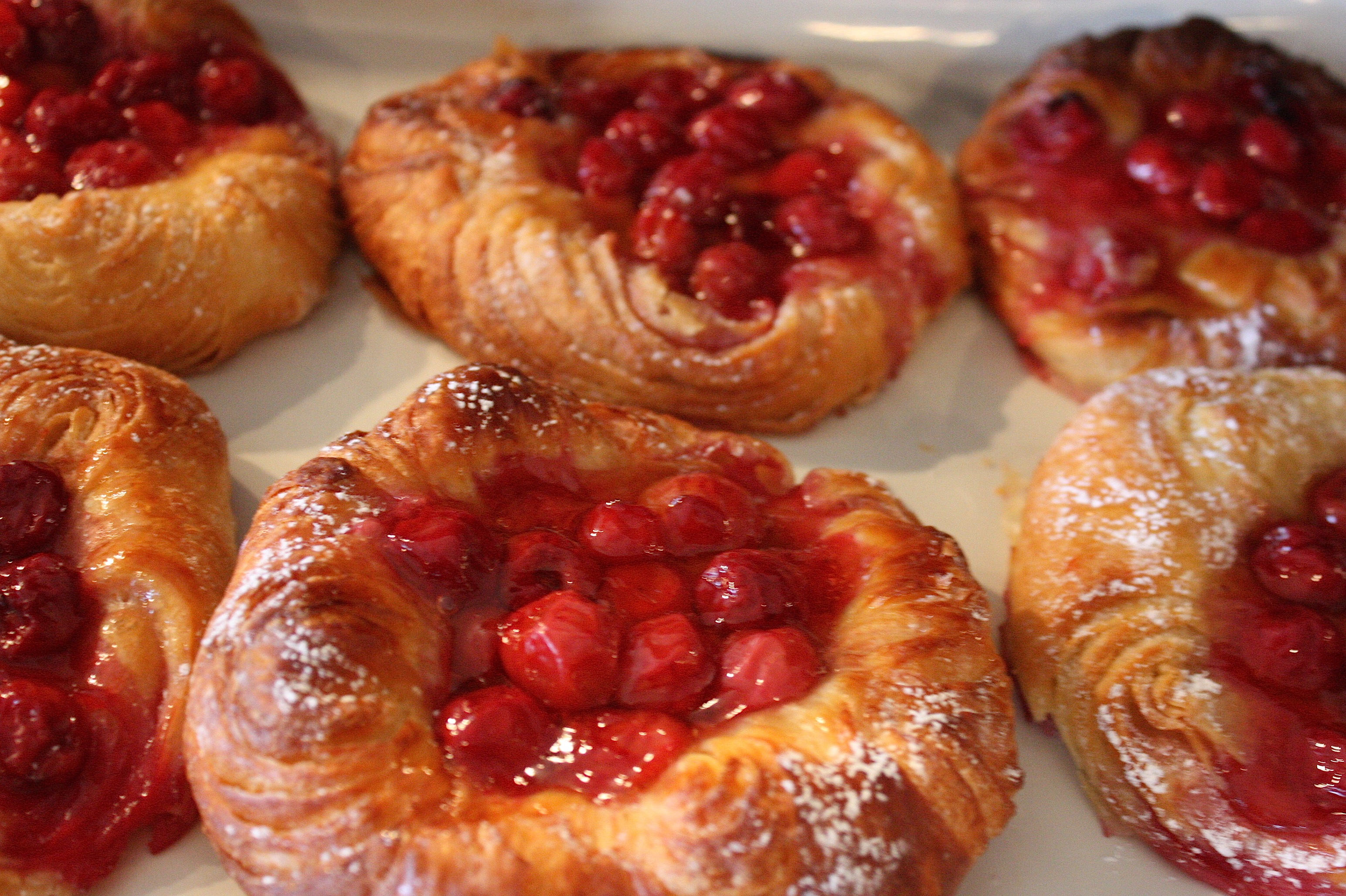
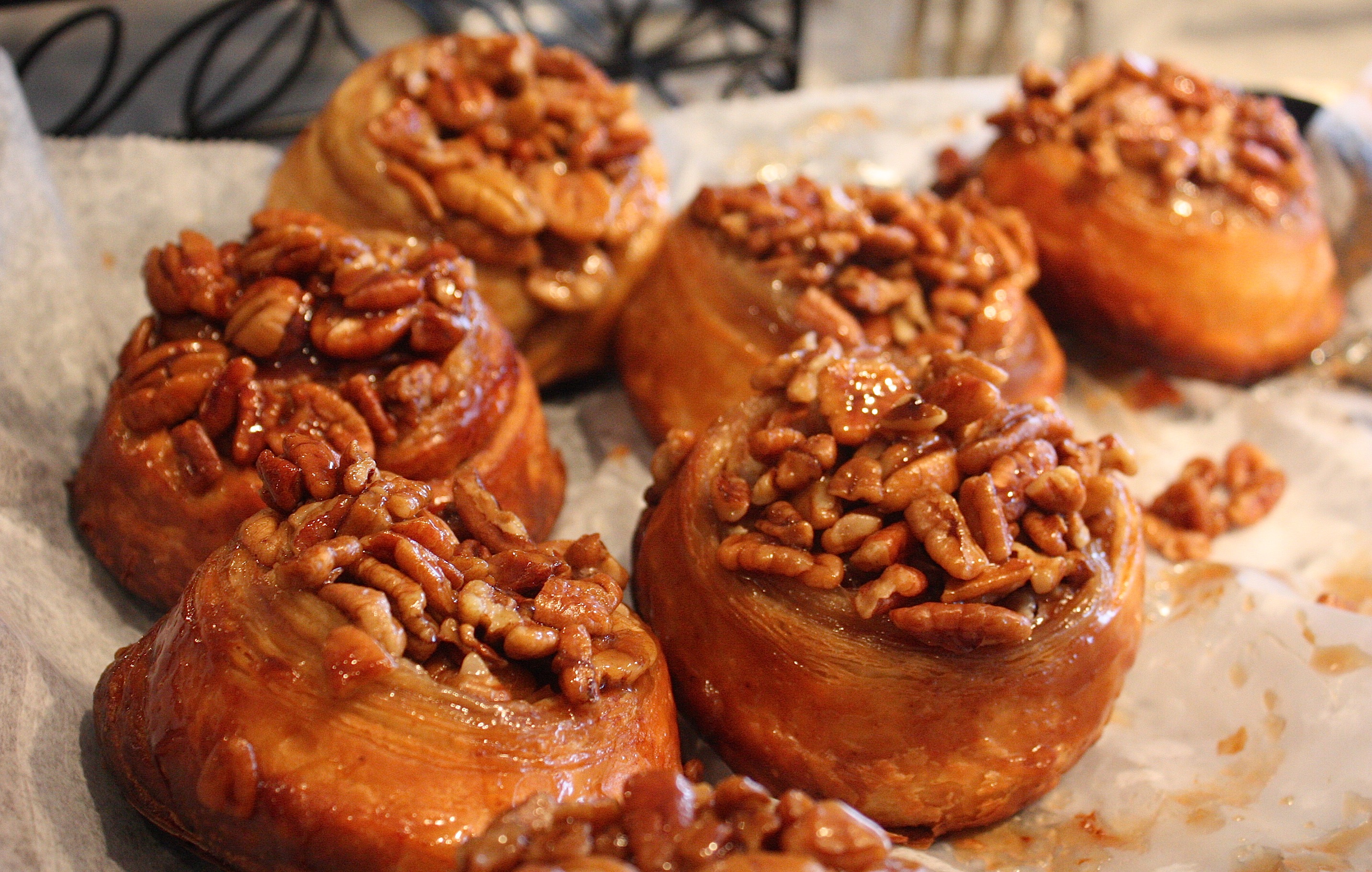
Pastries include flaky fruit, cheese, and lemon danish; buttery croissants (plain, chocolate, ham and Swiss, spinach and feta, and a to-die-for almond); cinnamon rolls, pecan rolls, puff pastries, and more.
The best time to go to La Mie is Saturday morning. I love it on Saturday morning even though I’m not a big fan of crowds. And oh, believe me, it’s very crowded. You’ll be lucky to get a table, or even a stool at the communal bar. And you’ll stand in a very long line to buy bread and pastries or order food. But it’s totally worth it. Compared to other days of the week, the bread and pastry selection is better and the vibe is pure urban Parisian.
I haven’t mentioned desserts, mostly because with all the yummy pastries, who needs ’em? But they offer French macarons, opera cake, chocolate caramel tarts, and a selection of cookies and other tarts. I’m sure they’re as good as they sound.
La Mie is located at 841 42nd Street, right off of I-235 in the Shops at Roosevelt. Hours are Monday through Saturday, 7 a.m. to 4 p.m.
Cy’s House of Trivia
I don’t pretend to be a trivia buff. It’s a well-known fact that I dislike games, and my family knows that I’m flat-out terrible at Trivial Pursuit. My mind is not razor sharp. I prefer to think about things for awhile, mull them over a bit, consider the philosophical ramifications of my answers. And, if all else fails, look things up on the Internet.
 So when I heard about Cy’s House of Trivia, an event sponsored by the Iowa State Athletics Department, six years ago, it didn’t interest me in the least — especially since I just assumed it was about sports trivia.
But I had a good friend whose team did well that first year, and she said it was a blast. She also set me straight that it wasn’t about sports and that as a team you had a few minutes to come up with answers before making a final decision. Not as bad as I had imagined.
The second year of the event, my friend David Orth asked my husband, Dave, and me to be on a team. He and his wife, Bonnie, were putting a group together with some of their friends. Dave is a trivia nut — he’s really competitive and REALLY good — so he jumped at the chance to compete. David and I were there more for the fun and, as it turns out, the bad beer.
That first year, our team started out not even knowing each other really. And we certainly weren’t in it to win. Except for Dave. By the fifth round, we were in the top three and we started getting excited that we could win this thing. We ended up in second place, and from that point on, we had a team and we were hooked on this event.
That was five years ago. Our team — made up of the Orths, Dawn Taylor, Mary Taylor, Anne Taylor, and Chris Limburg — has more or less stayed intact, and we’ve all become good friends. We get together socially now and then, and we always have a party before the trivia contest where we consume some good food and decent beer before heading over to Hilton Coliseum.
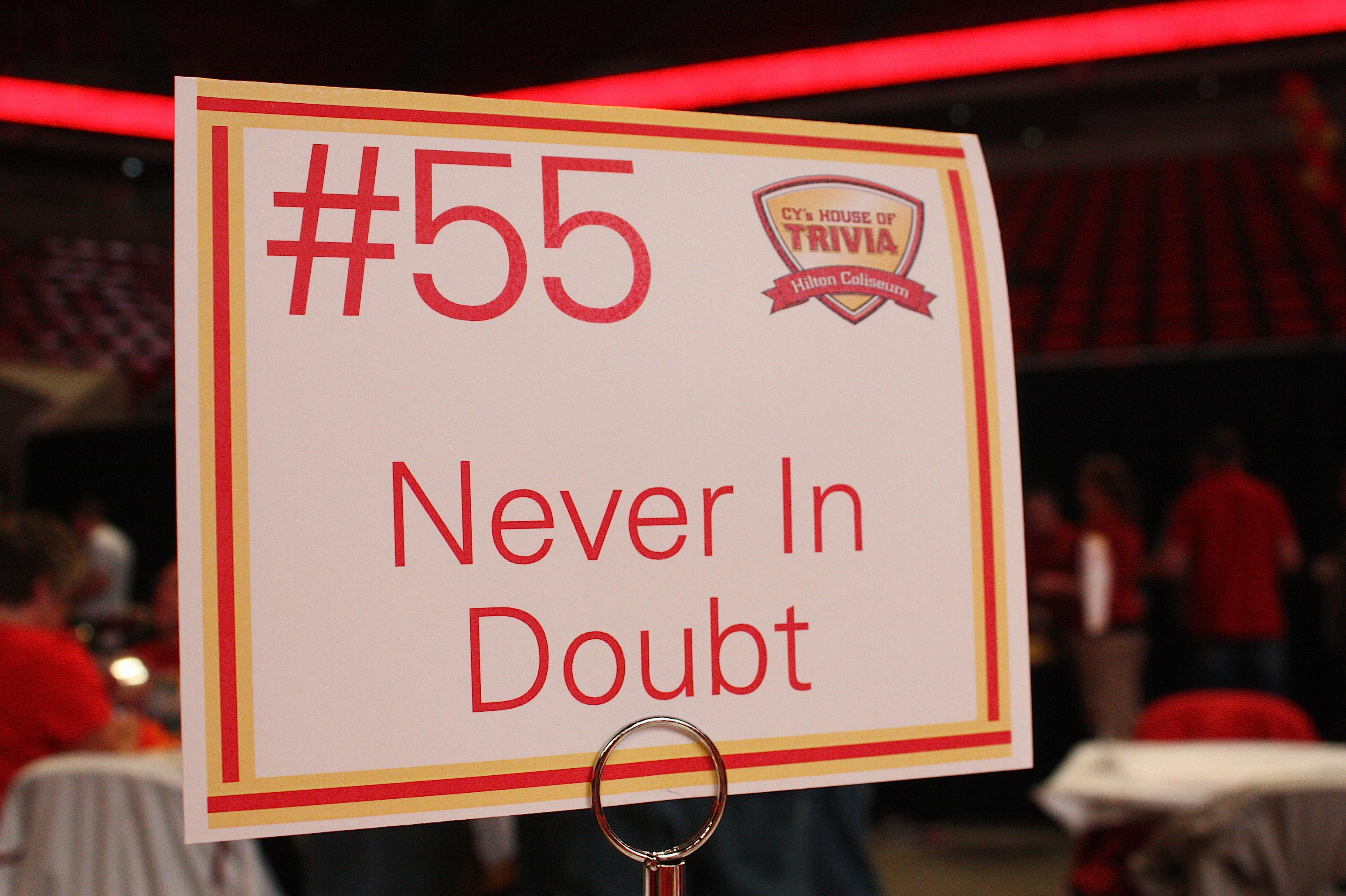 Our team’s name started out “Frequently Wrong but Never in Doubt.” That pretty summed up our attitude. Unfortunately, when we signed up for the event, the organizers told us that name was way too long, so we had to shorten it. We became Team Never in Doubt.
Over the years, we have finished in the top 12 teams each time — twice finishing in the money (top 3), rewarded by free tickets to a women’s basketball game and an embarrassing introduction at halftime at said games. I’m not saying that I’m a good luck charm or help the team in any meaningful way, but the team’s worst finish was last year (12th), the one year I didn’t participate because I was in Italy.
Competition has gotten a lot stiffer. This year’s winning team had a Jeopardy champion as one of its members. And the sheer number of teams has tripled since the first year we participated. This year, 88 groups fielded a team. We finished tied for 9th — not too shabby.
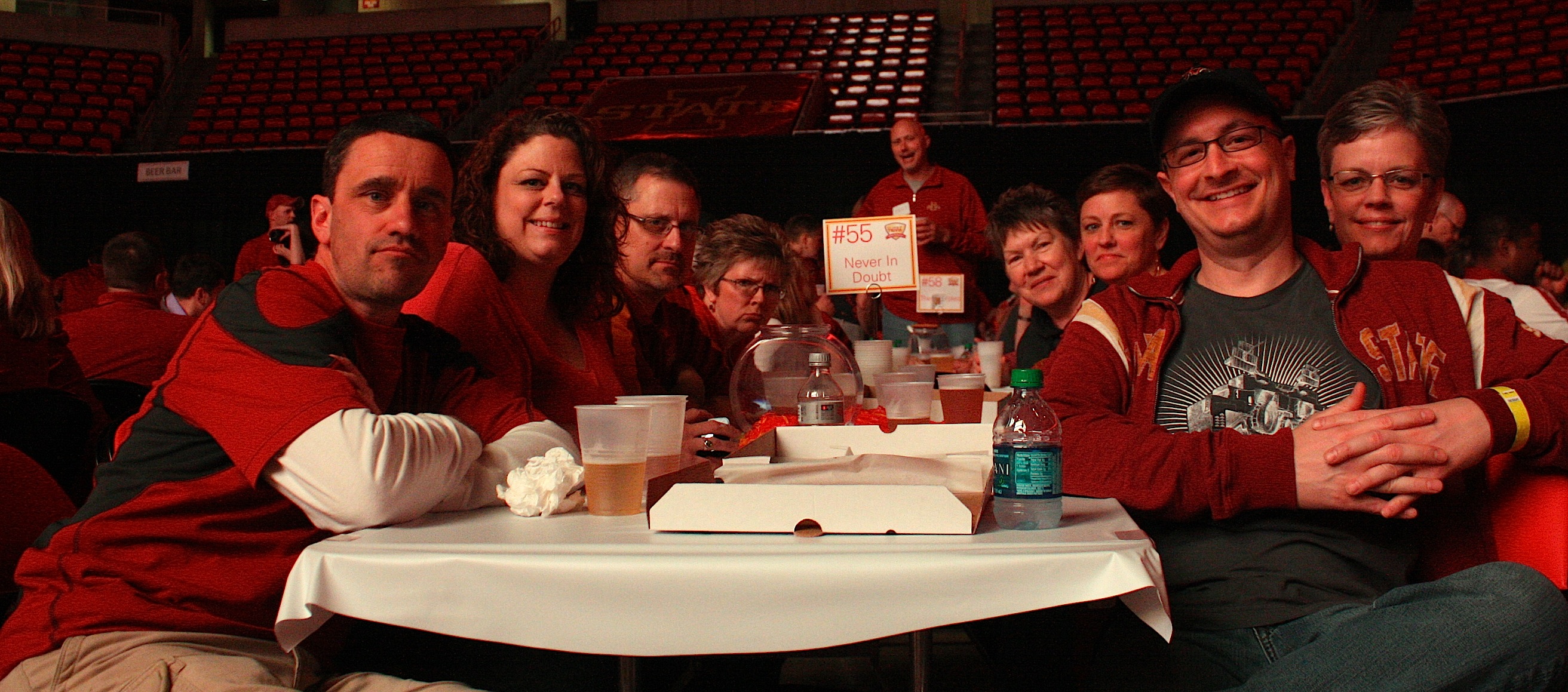
Here’s how the evening works: You show up at Hilton, find out where your team’s table is located, get a wristband, and head down to the floor. The entire floor is filled with tables of eight with an extra chair for “celebrity” participants who rotate from table to table. The first part of the evening is spent eating, drinking (the food and beer have improved considerably since that first time), filling out information sheets, doing a little trash talk with the other teams, buying mulligans for later, that sort of thing. It’s a fundraising event for the Athletics Department, so there is also the opportunity to purchase raffle tickets to win fabulous prizes like autographed footballs.
 The night really begins with the introduction of the celebrity participants — mostly current ISU coaches and former star players. Last night’s event was pretty special. Head football coach Paul Rhoads, men’s basketball coach Fred Hoiberg, women’s basketball coach Bill Fennelly, volleyball coach Christy Johnson, and basketball superstar Royce White were all among the VIPs. White sat at our table first, and I couldn’t resist getting my picture taken with him. I have to say that he seems to be a nice young man who has taken his sudden fame and success in stride.
The really important part of the evening, of course, is the trivia contest itself. It’s organized into eight rounds of 10 questions each with a break at halftime during which cheerleaders bring out pizza. Categories last night included sports mascots, math, social media, and music to name a few. Our team was not thrilled with the categories since several of them proved to elicit nothing more than wild guesses. The serious trivia types on our team like more of a challenge. I’ll take a true-false category any time — it gives me a 50/50 chance.
By the end of the evening, it was clear that we weren’t going to be the big winners. But we drank our share of beer and enjoyed the camaraderie and, in the true spirit of competition, declared that there’s always next year.
Tulip time…in Ames
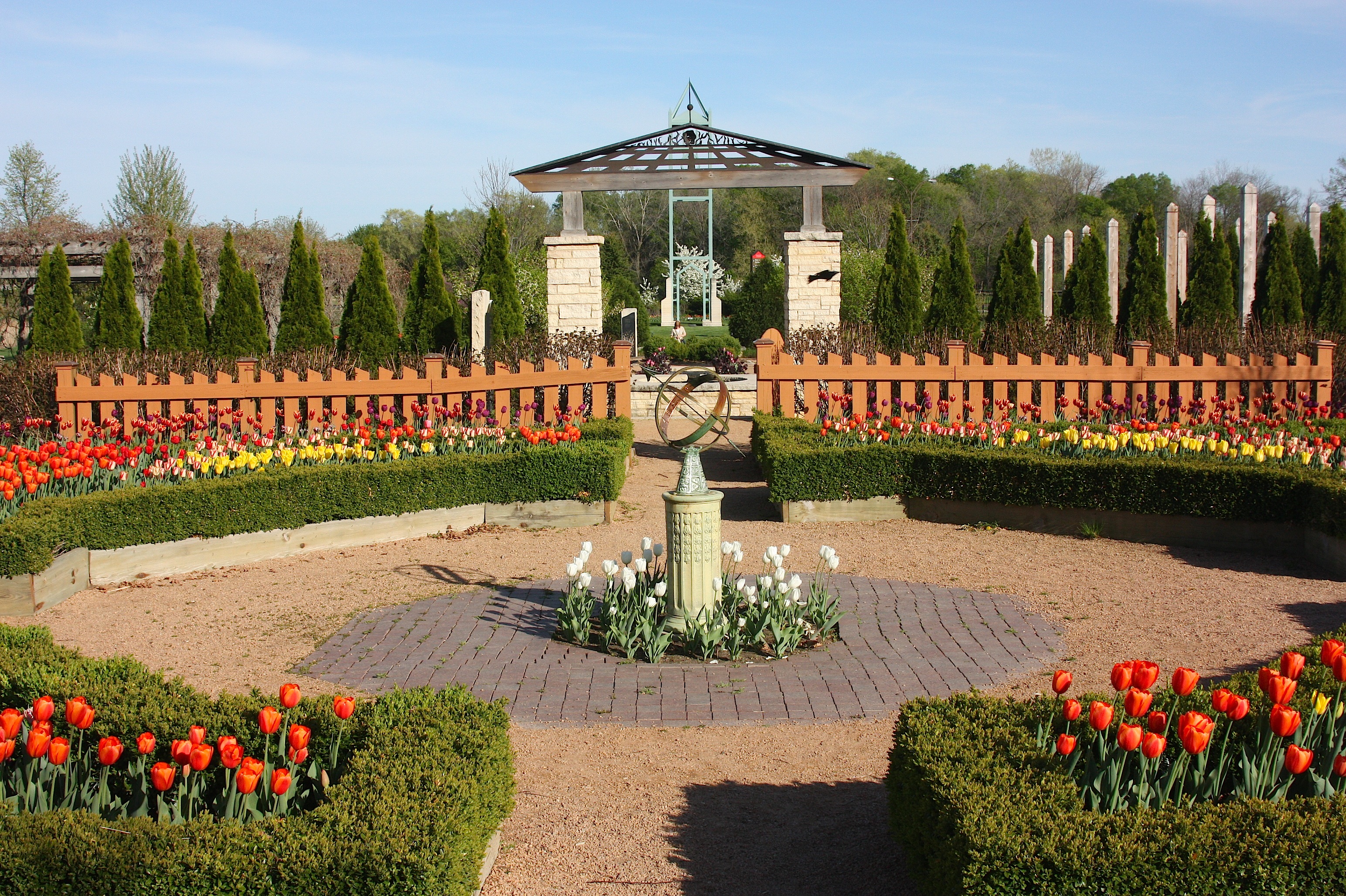
My travel schedule has me sticking close to home when it’s not flinging me across the country. So my Iowa Girl adventures are being severely curtailed.
Instead of going to Pella for Tulip Time in a few weeks (when the tulips will – sadly! – already be gone) I went to Reiman Gardens instead.
 Reiman Gardens is the 14-acre botanical center located on the Iowa State campus in Ames. Right now, the gardens are exploding with color. Tulips are absolutely everywhere. Catch them soon because they won’t last long.
Next Saturday (April 14) a special LEGO exhibit will open at the gardens. Some Assembly Required will feature 27 sculptures made from nearly 500,000 LEGOS, ranging in size from 6 inches to nearly 8 feet. That exhibit will run through Oct. 28.
Other major events this summer include the Rose Fest on June 16 and the Garden Art Fair on July 8.
 Reiman Gardens is open daily from 9 a.m. to 4:30 p.m. From Memorial Day to Labor Day, hours are extended to 6 p.m.
I love spring
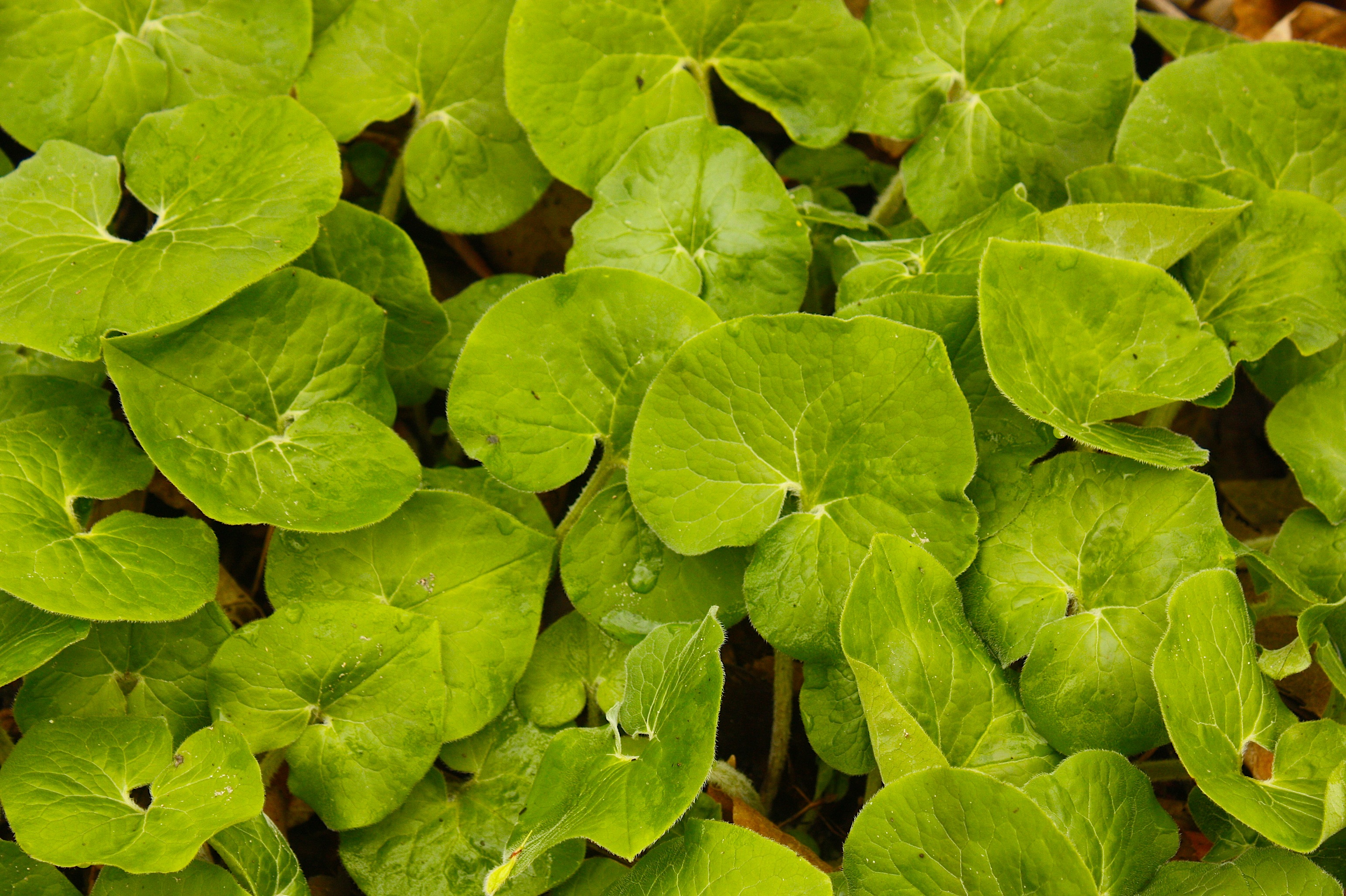
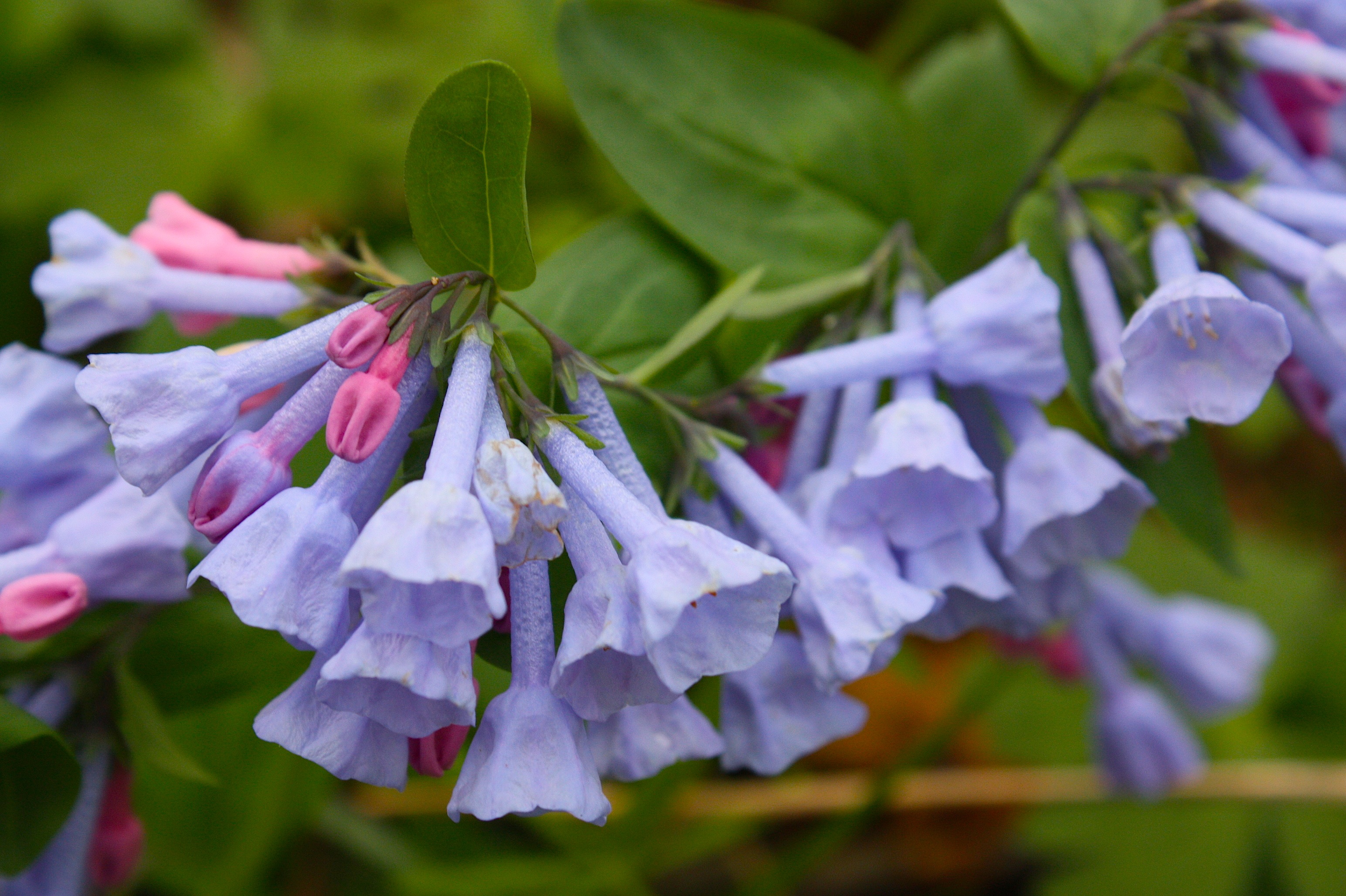
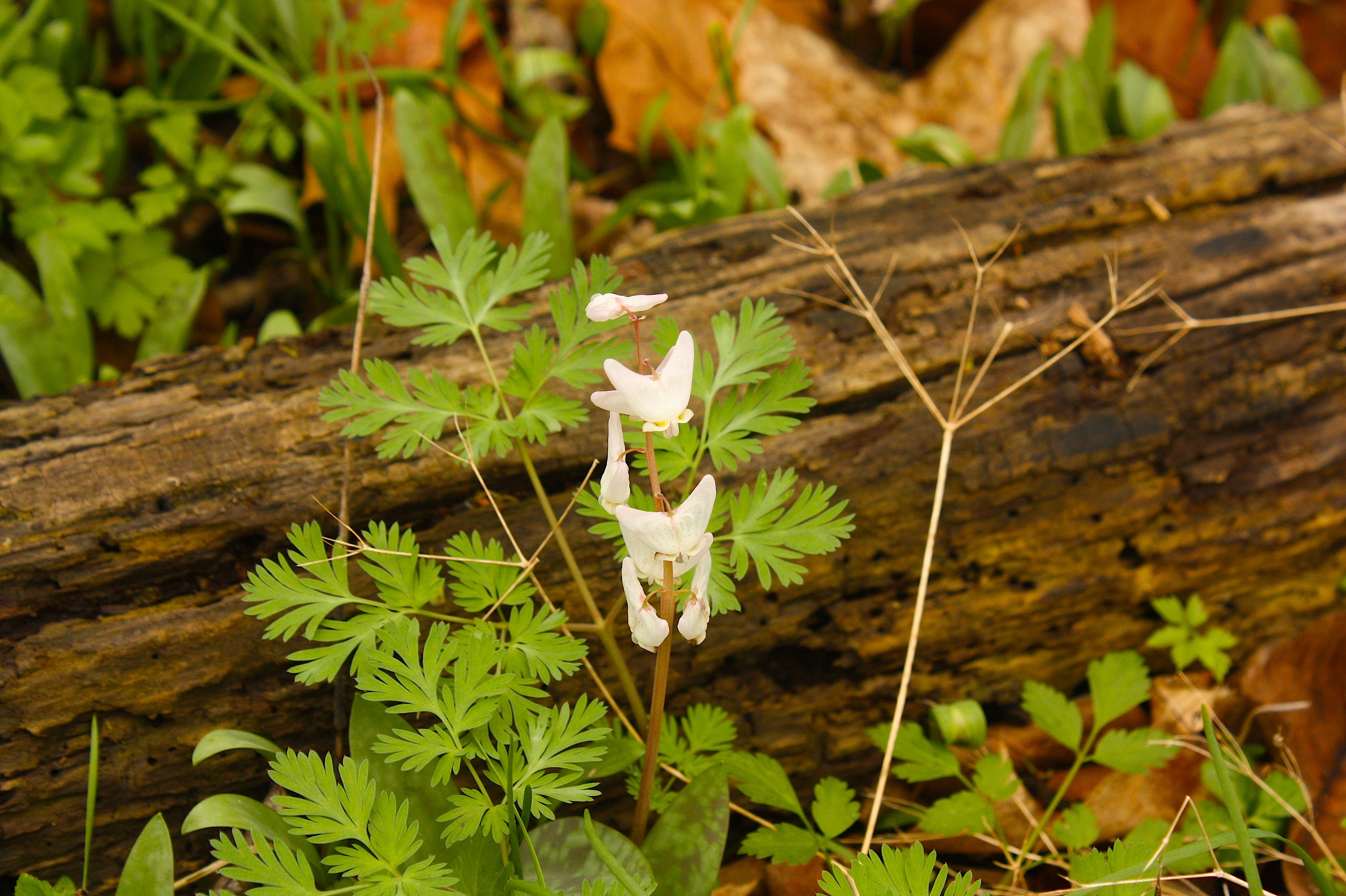
I took a walk in the woods of McFarland Park north of Ames this weekend to see how the wild flowers are coming along. In a word, they are amazing. Wild ginger, trout lilies, violets, Dutchman’s breeches, bluebells (my favorite), lots of teeny little flowers that I don’t know what they’re called. Have a look:
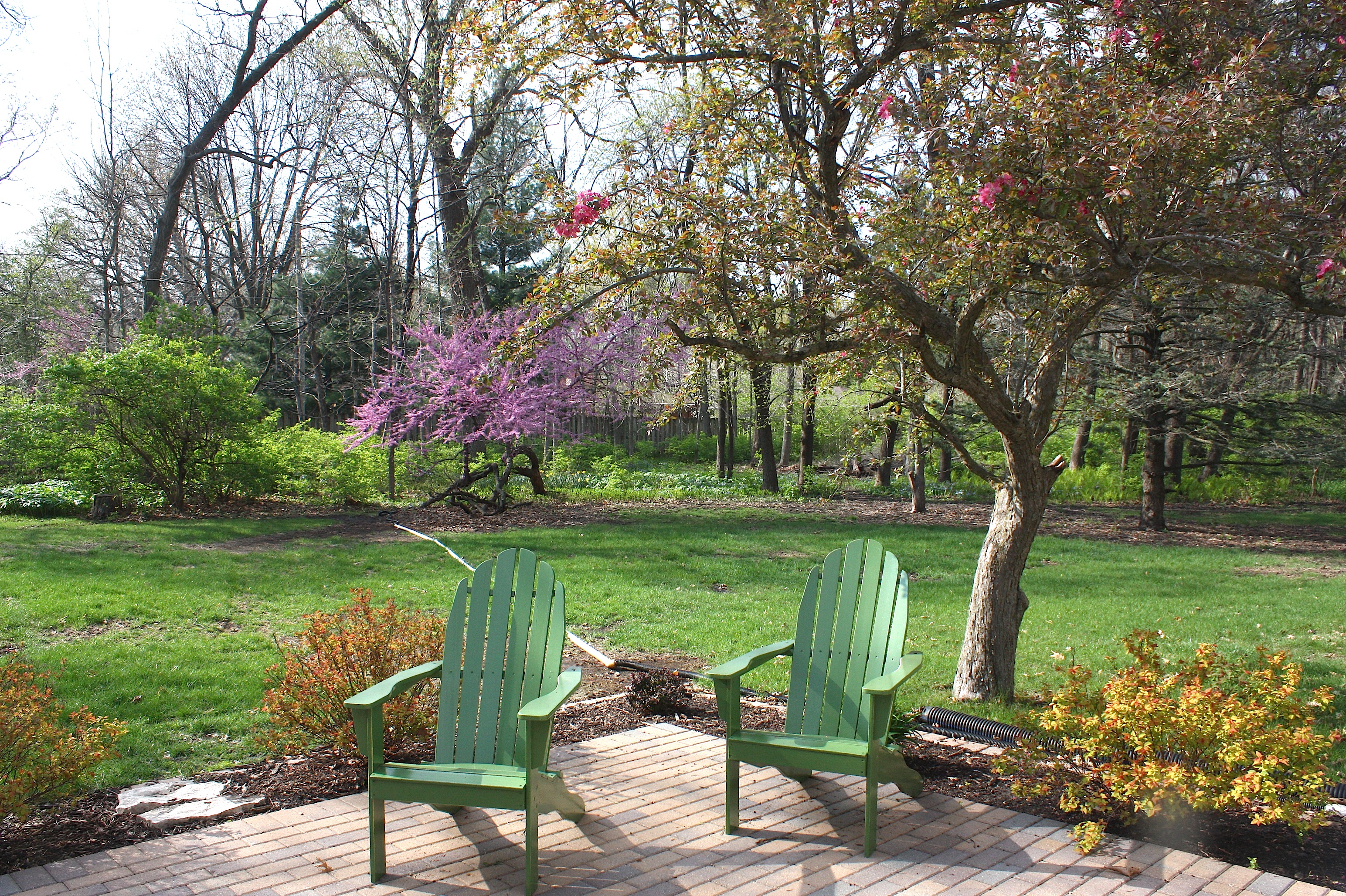
Even my backyard looks like a park:


 Iowa Girl on the Go