Archive for March, 2011|Monthly archive page
Brunnier in Bloom
 Leave a comment
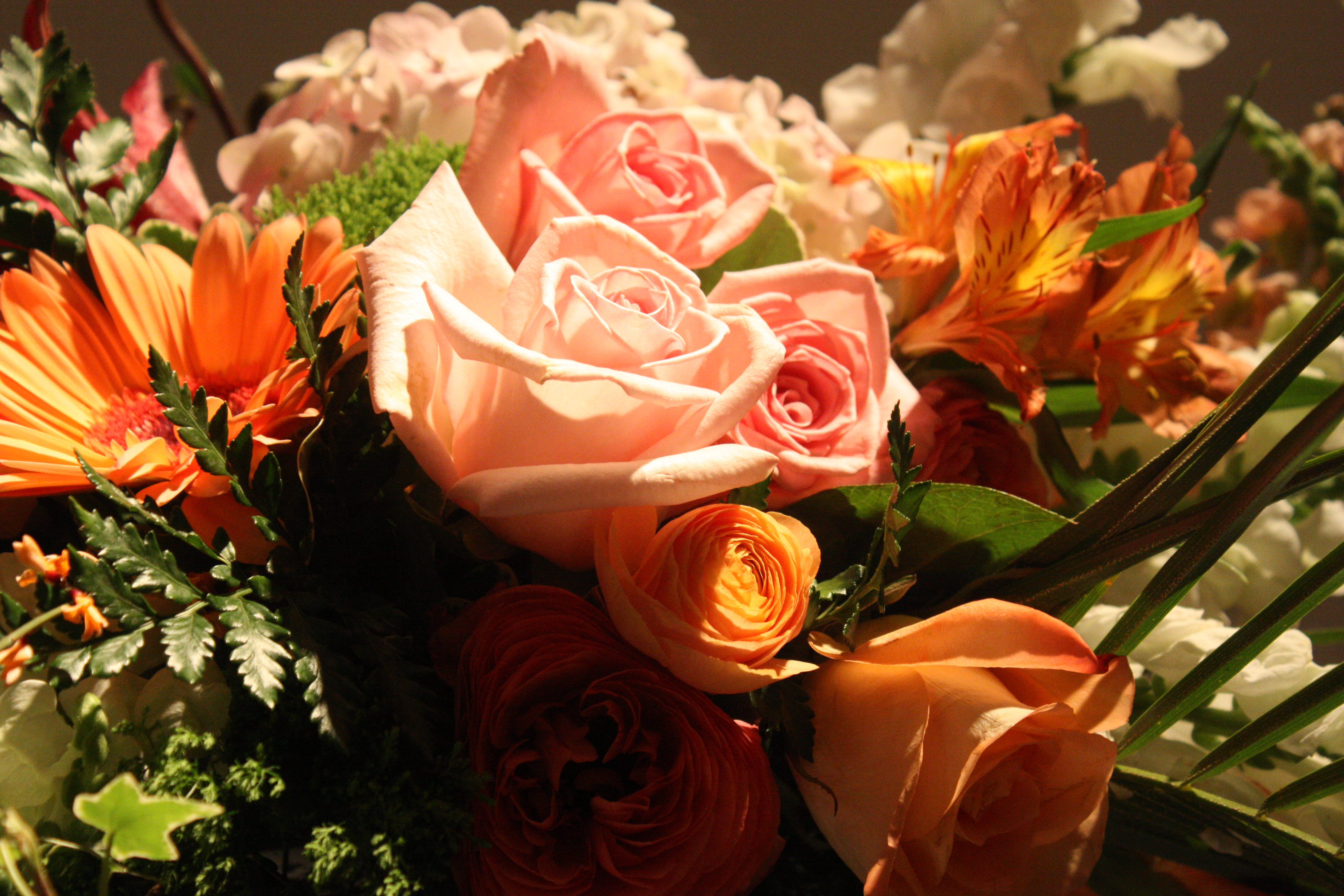 I’ve been really anxious for spring to arrive, because I’d like to hit the road and explore the state instead of staying (mostly) in central Iowa like I have all winter. Unfortunately, the weather has not cooperated. But luckily I was able to find a fun activity to do this weekend without leaving Ames.
The third-annual Brunnier in Bloom event in Brunnier Art Museum on the Iowa State campus gave me a good excuse to go to an art museum that’s only a block away from my office. That’s probably why I take it for granted — but I definitely shouldn’t, because it’s a fantastic little art museum.
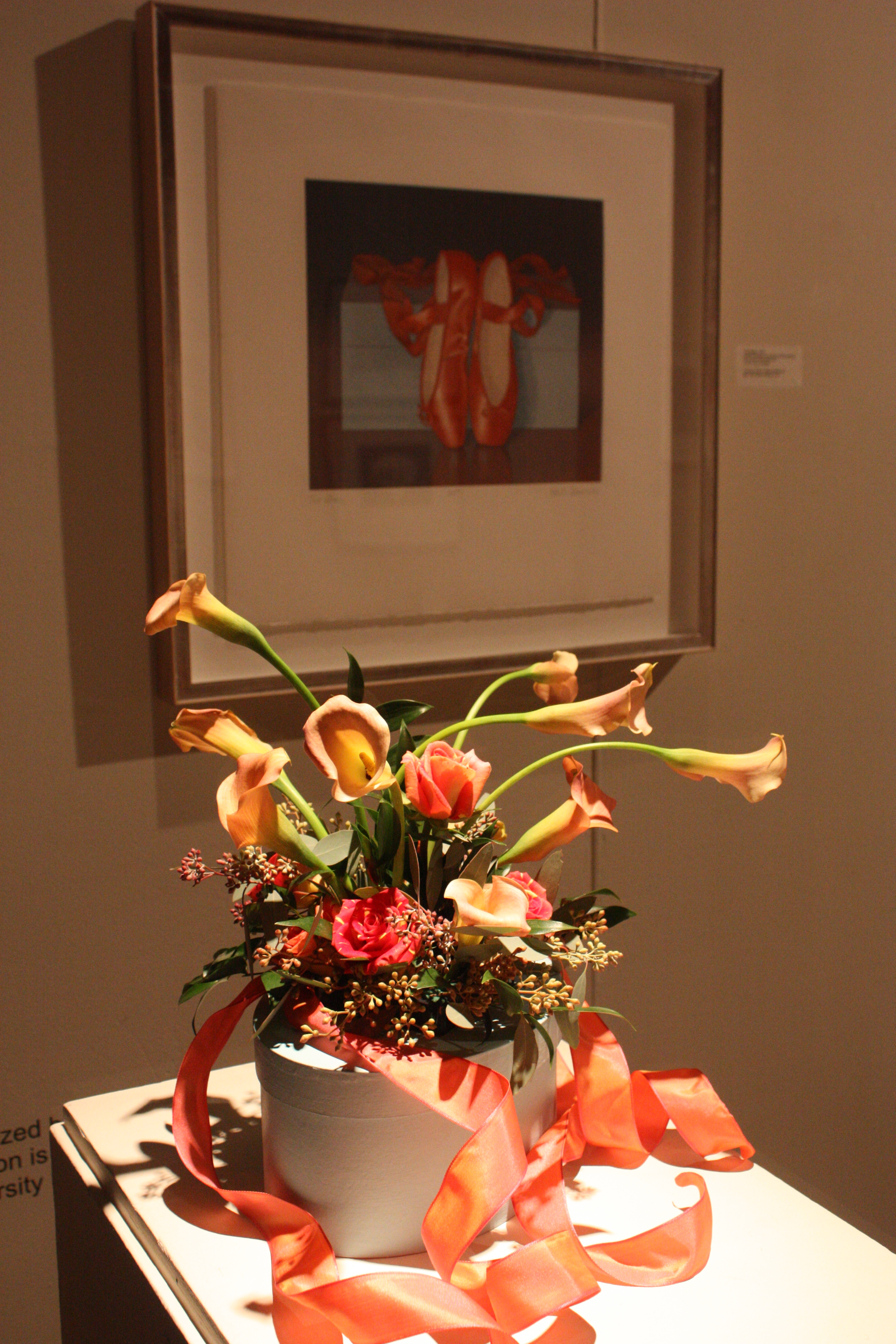
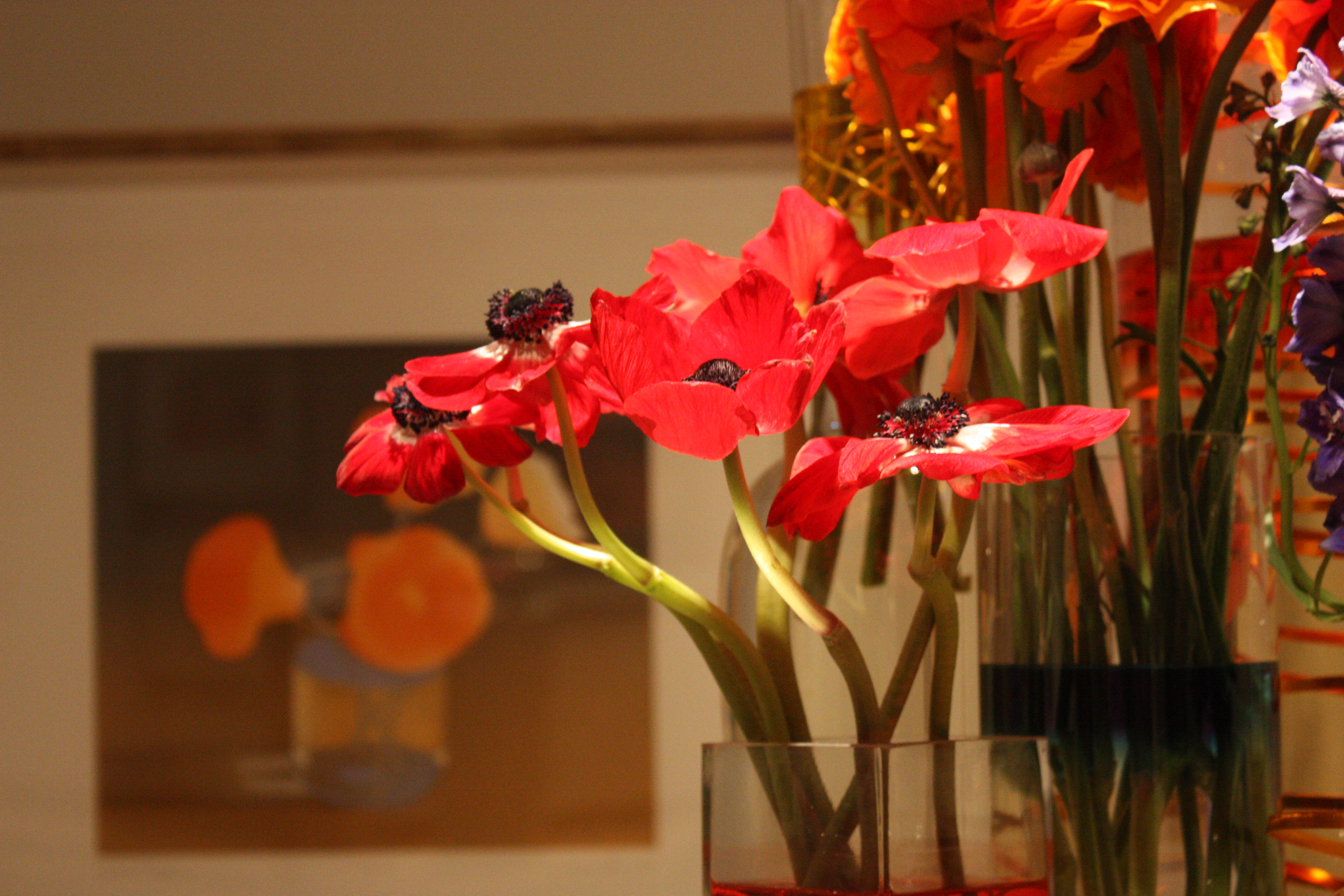 The Bloom event pairs locally designed flower arrangements with the works of art that inspired them. It’s a cool idea, and I enjoyed looking at the more-than-a-dozen flower arrangements. But, really, the art is the real star here.
Exhibits change every few months in the galleries. The current exhibitions include “The Observant Eye” — really lovely pencil drawings Beth Van Hoesen — and “Translation of Light” by Mark Adams. Also featured is an exhibition called “Relationships: Drawn, Analog to Digital” by faculty members Dean Biechler, Anson Call, and Chuck Richards. I was entranced by Richards’ colorful oversized watercolor and colored pencil illustrations for children’s books Lulu’s Magic Wand, Author Day for Room 3T, Critter Sitter, and Jungle Gym Jitters. They’re absolutely fantastic.
 Also on display are works from the permanent collection: N.C. Wyeth paintings, Grant Wood lithographs, John Bloom’s post office mural studies, Christian Petersen sculptures, and more. It’s always inspiring to see these works right in your own backyard.
The Brunnier Art Museum is located in the Scheman Building, part of the Iowa State Center complex. Hours are Tuesday through Friday, 11 a.m. to 4 p.m., Saturday and Sunday, 1-4 p.m. Admission is free, but a donation of $3 is suggested.
Brunnier in Bloom continues through Sunday, March 27. In addition to viewing the art and floral arrangements, you can participate in a raffle for prizes, vote for your favorite flower arrangement, and bid on some of the arrangements in a silent auction.
A bloody good time
In Des Moines for the second time in as many days to see a play, we knew we were in for a different sort of show when we entered the Des Moines Social Club and the guy who sold us the tickets warned us that there would be “real gunfire — not the fake kind — dead cats, and a lot of blood.”
 Well, then! Let the show begin! This was the Lieutenant of Inishmore, one of Irish playwright Martin McDonagh’s violent comedies. But I (sort of) knew what I was getting myself into, because I saw one of McDonagh’s other plays, The Lonesome West, on Broadway several years ago.
Lieutenant was first produced in London and had a brief run on Broadway in 2006. My guess is that this show has a limited audience. Before you go to see it, ask yourself: Do I laugh hysterically during the Black Knight scene in Monty Python and the Holy Grail? Do I think dead cats are funny? Do I giggle a bit when I see pretend torture? If you said yes to all of these things, you will clearly love this show.
I must have a very sick sense of humor, because, just like in The Lonesome West, I laughed myself silly. This is wicked good stuff.
Executive producer and lead actor Brendan Dunphy has made it his goal to produce all seven of McDonagh’s plays in Des Moines. This one is the fifth. Dunphy is a research associate in entomology at Iowa State. He’s also in one of Iowa State’s series of “Choose Your Adventure” commercials.
I won’t bother to tell you the plot, but it involves the Irish National Liberation Army, a girl who shoots the eyes out of cows to protest the meat industry, a couple of guys who like to eat shoe polish, bloody corpses, and a black kitty named Wee Thomas.
Unfortunately, there were about as many people in the cast as there were in the audience — and that is a real shame. Because this show is very, very funny.
3/23/11 update: I just spoke with producer Brendan Dunphy and he assured me that Sunday’s production was the only one that was not well attended. He said the others were sold out, or very close. That makes me feel better.
Next to Normal
Just when you think you might have THE most dysfunctional family in the whole world, you go see Next to Normal and you realize that you’re just that — really, really normal.
 I became aware of this Broadway musical during the 2009 Tony Awards. The show was nominated for 11 awards and won three: best original score, best orchestration, and best actress for a leading actress in a musical (Alice Ripley). It also received the 2010 Pulitzer Prize for drama — just the eighth musical ever to win that coveted prize. (The previous one was RENT, not coincidentally directed by the same man, Michael Greif.)
We bought tickets to see the show in New York last May. But first, I bought the cast recording and immediately fell in love with it. It’s one of those shows that just sucks you in from beginning to end, and even without seeing the characters, I loved them all. So when I saw the show on Broadway (from the third row center, thank you very much) I was absolutely mesmerized.
Then last year the Civic Center in Des Moines announced that Next to Normal would be part of its broadway series, and we quickly snapped up tickets for our whole (only semi-dysfunctional) family.
We went to the show today. I am still on a bit of a Broadway high as I write this. A high, and also a low, because this musical is raw and emotional. It tells the story of a family in which the mother is bipolar, delusional, and suppressing a tragic event from her past. The mother, Diana, is played in the current Broadway touring production by Alice Ripley, the Tony Award-winning lead actress. We saw her in New York, too, and from my third-row seat I was blown away by her powerful performance.
The rest of the family is in nearly as much pain as Diana: her long-suffering husband, Dan, and her overachieving teenage daughter, Natalie. The actor and actress cast in these roles are superb. Three other actors round out the small but mighty cast.
Despite the devastating grief and intense sadness of this show, it still somehow manages to find humor in some of the very real-life situations. The music has a powerful rock score, and the lyrics help to draw the audience along in the storyline — as opposed to being merely entertaining.
If I could afford it, I would have gone to see every performance of this show during its Des Moines run (which ends tomorrow) — that’s how good it is. Would that be obsessive? Not to worry — I’m pretty sure there’s a pill for that.
Road trip: Kansas City
I just returned from spending a long weekend as a tourist in my own hometown.
I grew up in Independence, Mo., a suburb just east of Kansas City. I lived there until I moved away to go to college, and I have visited hundreds of times since. My parents lived there until they died in the mid-1990s, and my sisters and their families still live there; most of my husband’s family lives in Kansas City, too.
 When we were younger (before we had kids) we used to love to go to KC to attend Royals’ baseball games, go to the Country Club Plaza holiday lighting ceremony, and eat at our favorite restaurants. When the girls were little, we always went to Crown Center to see Santa on the weekend after Thanksgiving.
Now that we live three-and-a-half hours away, most of our visits to Kansas City are to our families’ homes for holiday meals, birthdays, and other special occasions. We rarely eat out and only occasionally see the sights (beyond the shopping malls).
The idea to go down for a long, museum-filled weekend grew out of a couple of ideas. First, we thought we could catch some women’s basketball at the Big 12 Tournament. And second, we wanted to see the Princess Diana exhibit currently on display at Union Station. It would be our version of spring break (sort of).
We didn’t end up seeing any basketball games, because Iowa State’s teams both lost on Wednesday. But the whole weekend, people kept asking us, “So, are you here for the tournament?” Because there were a LOT of Iowa Staters and other Big 12 fans everywhere we went.
NELSON-ATKINS MUSEUM OF ART
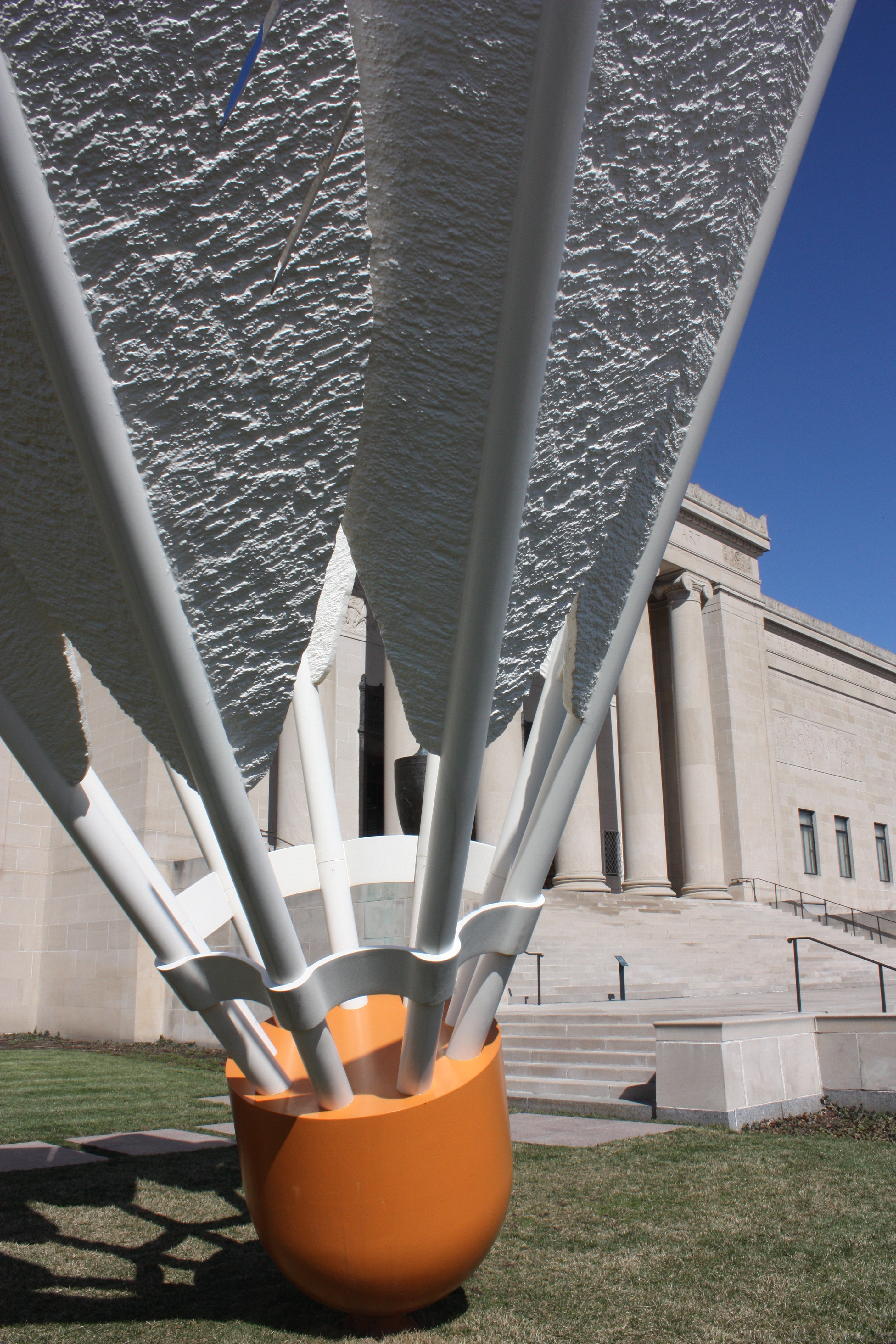
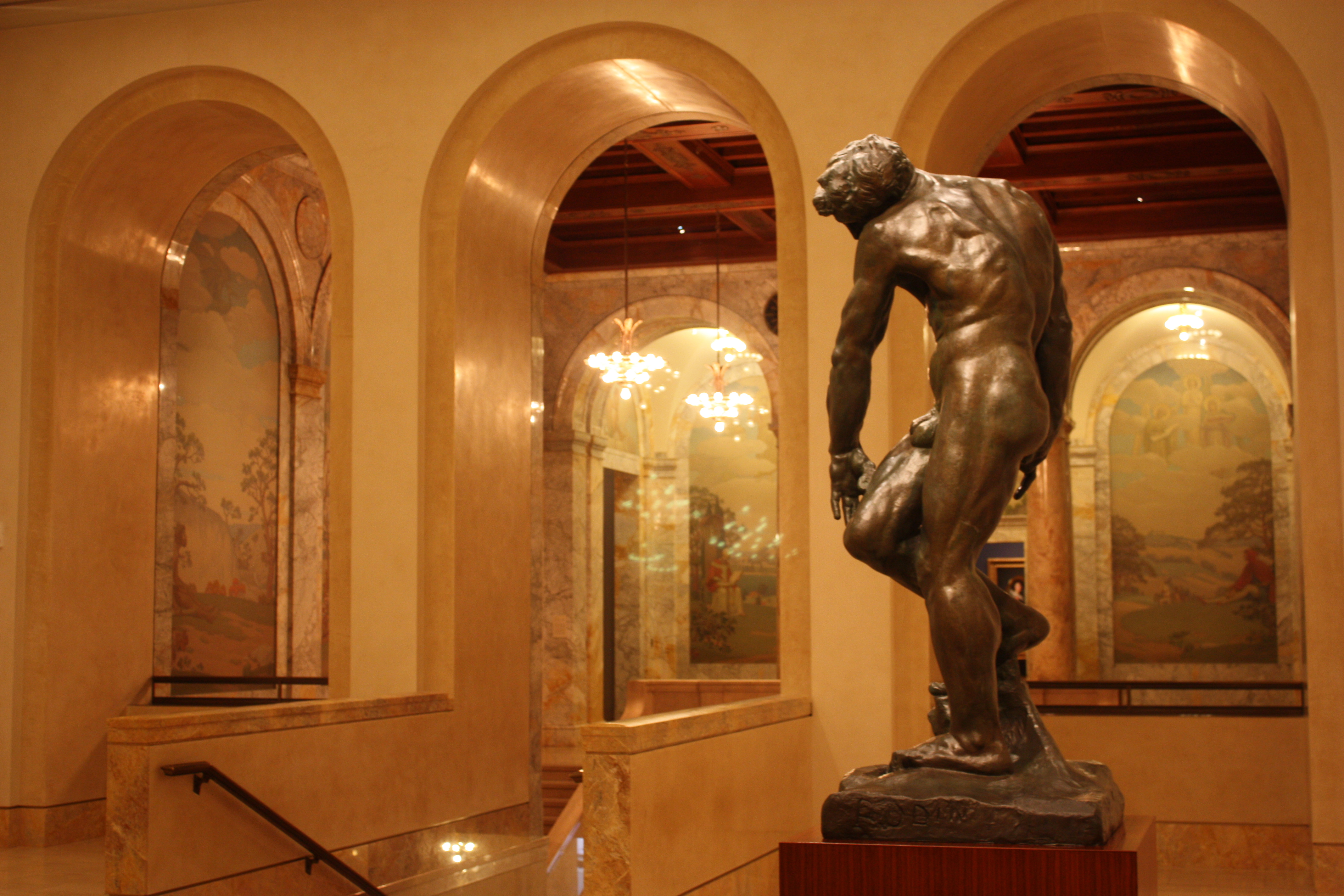 We arrived in Kansas City on Thursday at noon. The first place we stopped was the Nelson-Atkins Museum of Art. The Nelson is one of my favorite places in Kansas City. I’ve been there so many times, I’m not sure I even go there for the permanent collection anymore. I do enjoy visiting some of my favorite works, but mainly I like to go there for the traveling exhibits, the sculpture park, and for lunch at Rozzelle Court.
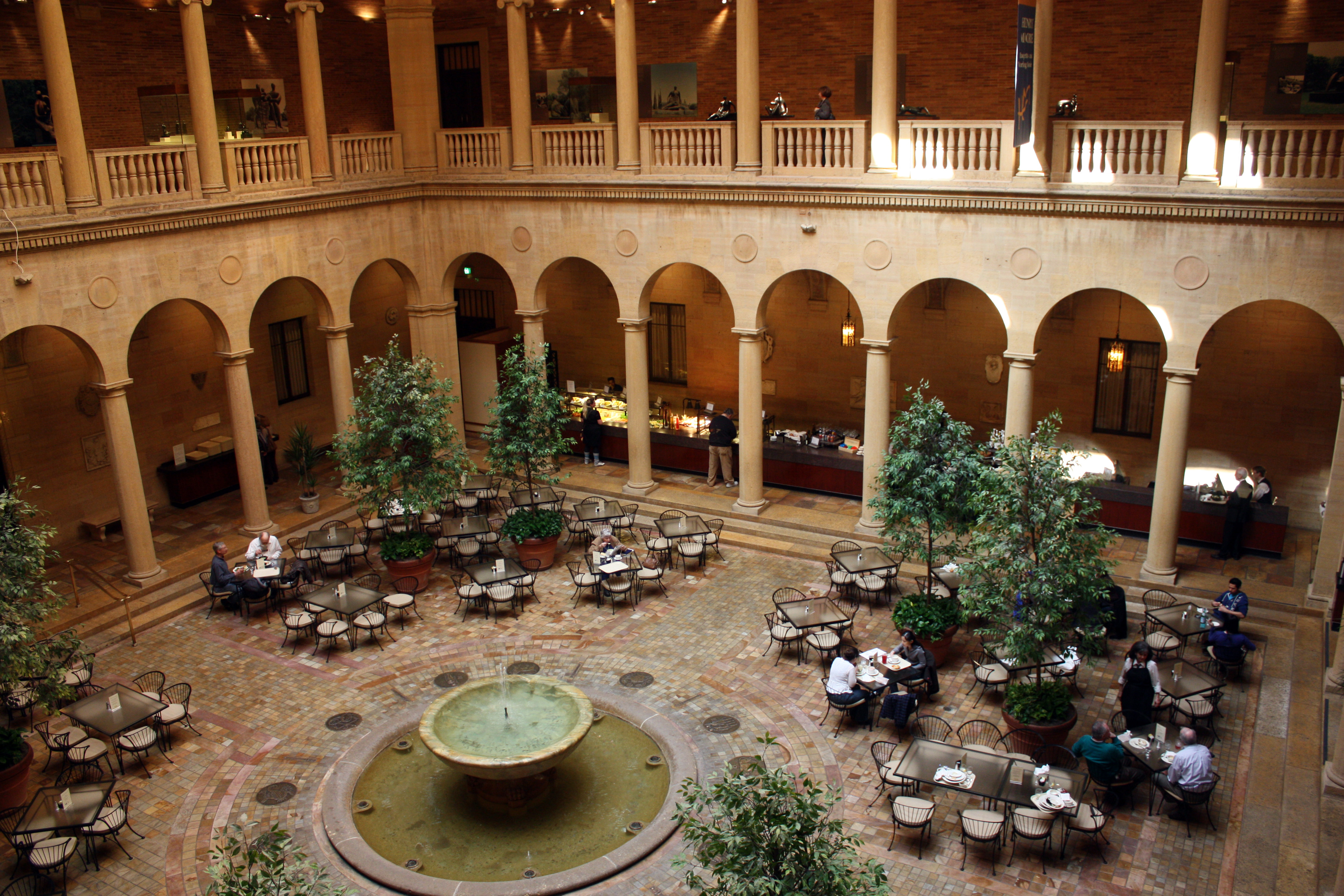 Rozzelle Court is one of the hidden gems of Kansas City. The indoor courtyard restaurant always makes me feel as if I’m in Europe. Unlike many museum restaurants, the food is fantastic – especially the desserts. Lunch is served cafeteria-style. I had a salad with feta cheese, mandarin oranges, black olives, and craisins with mixed greens and a raspberry vinaigrette dressing; a currant scone; and a piece of key lime pie.
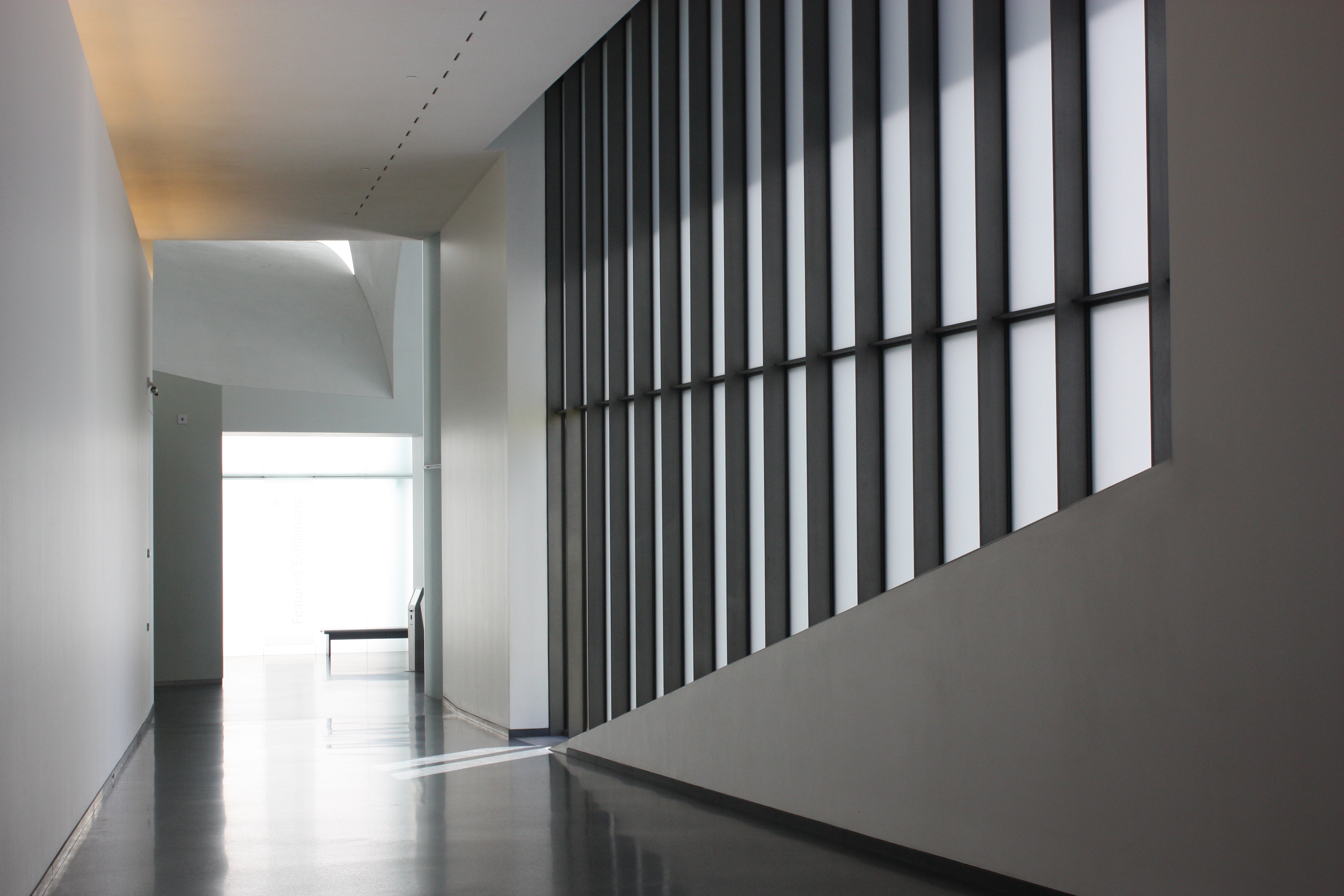 The museum’s new Bloch wing featured some interesting photography, and one of the special exhibits in Kirkwood Hall was James Naismith’s “original rules of basket ball” document – on display, I suppose, because of the Big 12 Tournament.
The Nelson is free (donations encouraged), but there is a charge to park in the new underground parking lot.
KEMPER MUSEUM OF CONTEMPORARY ART
 Not far from the Nelson is the Kemper, a small, contemporary art museum. Parking and admission are free, so there’s little commitment. Fans of the spider sculpture in the downtown Des Moines sculpture park will enjoy a similar arachnid on the lawn of the Kemper. The museum itself is light and breezy, with a collection of some good contemporary art mixed with the usual why-is-this-art kind of stuff.
THOMAS HART BENTON HOME AND STUDIO
While we were admiring the Thomas Hart Benton collection at the Nelson, a woman asked us, well, if we were in town for the Big 12 Tournament, but more importantly, if we’d been to the Thomas Hart Benton home. Not only had we not been to the home, we didn’t even know it existed as a public space.
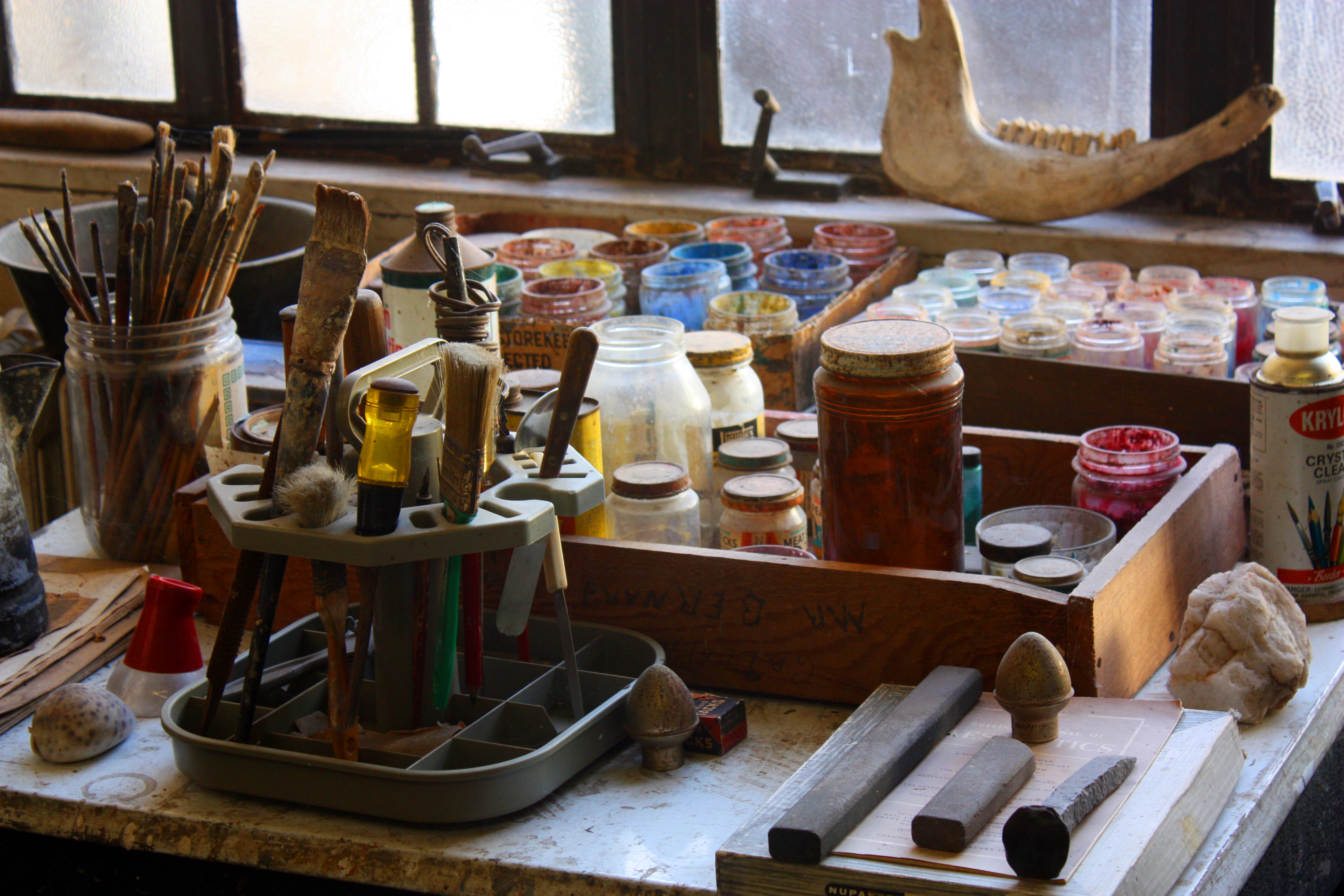 We found it easily, not far from Southwest Trafficway near Valentine in an area with gorgeous, historic homes. Benton had moved to Kansas City in 1935, and the home and studio remain virtually unchanged since his death in 1975. The two-story house is constructed of native limestone; the furnishings are simple. I enjoyed seeing his studio, which was converted from a carriage house. His brushes are as he left them, and you can see some of his works in progress. Benton is one of my favorite artists – along with other regional artists Christian Petersen and Grant Wood – and I loved seeing this historic site.
KELLY’S WESTPORT INN
After the bonus visit to the Benton home, it was time for a beer. We headed for Kelly’s Westport Inn, a longtime Cyclone hangout during the Big 12 Tournament. I don’t know whether it was the fact that the Iowa State teams had lost the day before, or the early hour, or that Kansas City has greatly expanded its bar and restaurant offerings in the Power and Light District to the north – or possibly the combination of all three – but the crowd at Kelly’s was sad and pathetic. I think this was the first time I could actually SEE the bar. Always before, it was so crowded you could barely walk. I am not complaining; I’m not a big fan of crowds, and I drank my beer in peace.
DIANA: A CELEBRATION
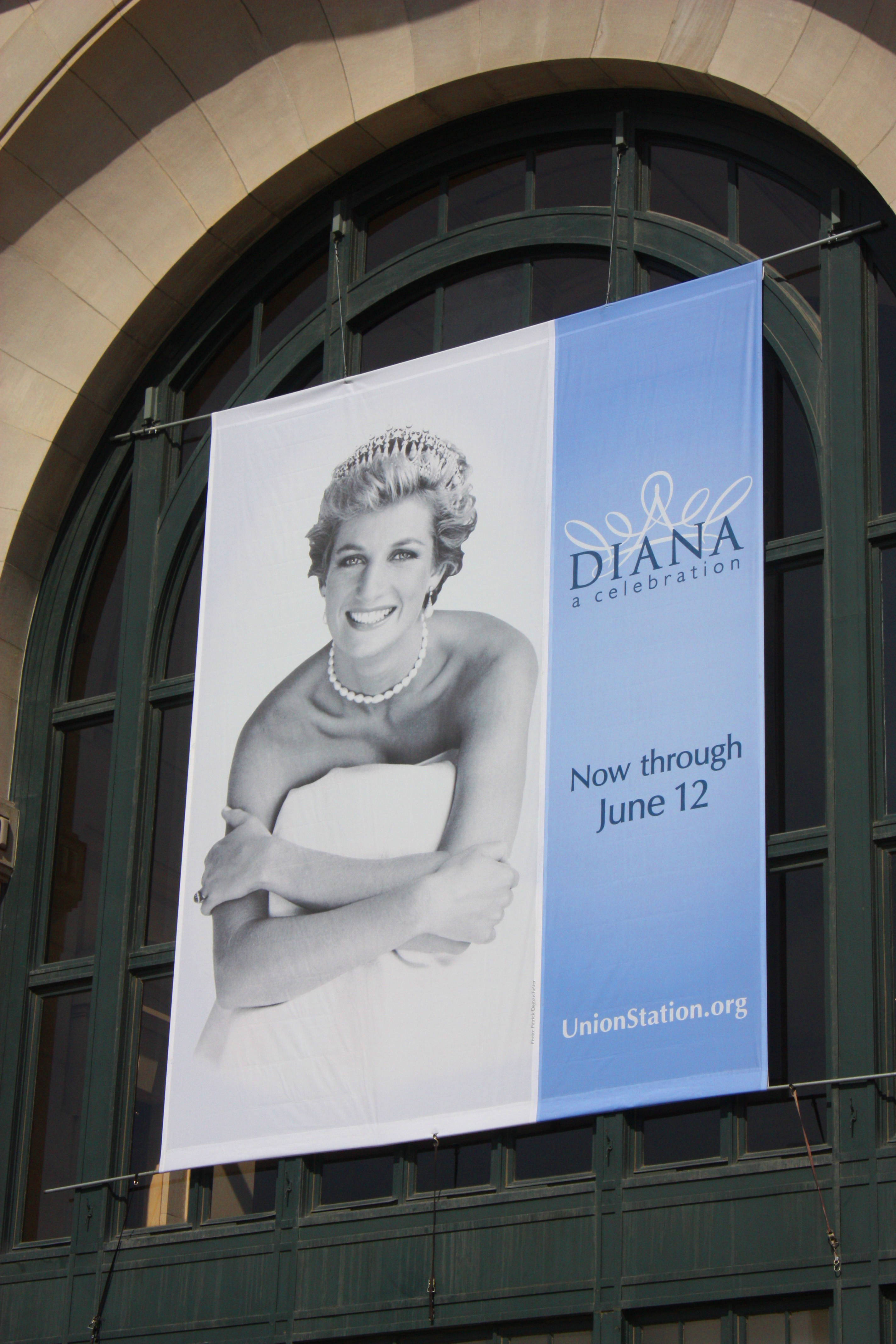 Next morning, we headed to “Diana: A Celebration” at Union Station. This exhibition is a pretty big deal for Kansas City, as it’s just the second confirmed city for the tour (Grand Rapids, Mich., was the other, and the exhibit was there from November through early February). The show opened in KC on March 4 and ends June 12 (entrance fee: $23.50). It features nine galleries filled with 150 objects, photos, and videos.
The first gallery shows Diana as she was as a young girl. Born in 1961, she was just three years younger than me, so we grew up in the same era, but in very different worlds. There was something so touching to see Diana’s childhood toys, photo albums (that looked so much like my own), home movies, and school uniform. I learned that she loved tennis, swimming, skiing, tap dancing, piano, listening to music, and going to the ballet.
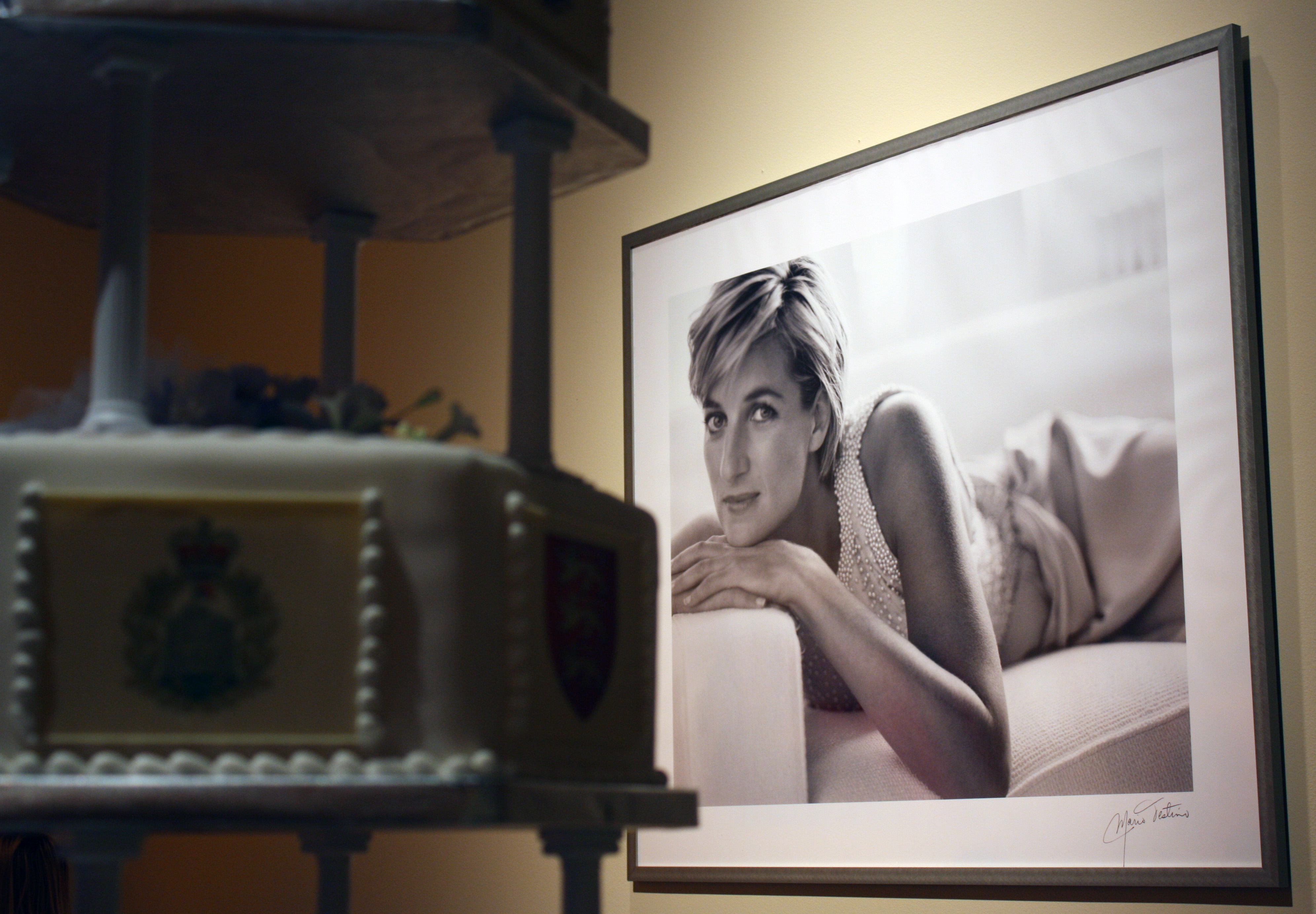 She became engaged to Prince Charles at age 19 and married at 20 – younger than I remembered. The second gallery is devoted to the Royal Wedding. The exhibit includes her wedding dress (with its 25-foot train) and many wonderful still photographs of her wedding day. My favorite was one I had not seen before: Diana, in her wedding gown, bending down to talk to one of her young attendants. It made me cry.
Also in the wedding gallery is film footage of the Royal Wedding and the surrounding festivities. I remember watching it in the middle of the night in 1981, because back then we didn’t have VCRs, much less TiVO.
The next room took us abruptly to Diana’s funeral. I can’t imagine anyone standing in that room, listening to Elton John’s “Candle in the Wind,” and watching scenes from the funeral without choking up.
 After that, I was grateful to walk into the next gallery, which showed 28 of her dresses and large-scale photographs of her wearing them. She was an incredible fashion icon, without being overly showy. The photos show her transition from a shy 20-year-old princess to a beautiful, confident woman.
The remaining galleries show Diana’s humanitarian work – with the homeless, AIDS, lepers, and many other less fortunate people – and how her work continues even after her death. In 1987, Diana was the first high-profile person shown shaking hands with a person with AIDS, and she likewise interacted with people with leprosy, walked near land minds, and so much more.
“My sister was that unique phenomenon: A glamorous humanitarian. She intrigues the work with her blend of intoxicating sophistication and her sincere touch,” said her brother, Charles Spencer. “She was extraordinary and irreplaceable.”
The exhibit ends with Diana’s passport, her correspondence, and more photos.
On one of the walls it’s written, “Rarely is an exhibit as remarkable as the life which lies behind it.” This tribute to Diana is remarkable.
NATIONAL WORLD WAR I MUSEUM
After the emotionally draining Diana exhibit, it was on to…a war museum! Yay! Probably not the best timing, but the National WWI Museum is right across the street at Liberty Memorial.
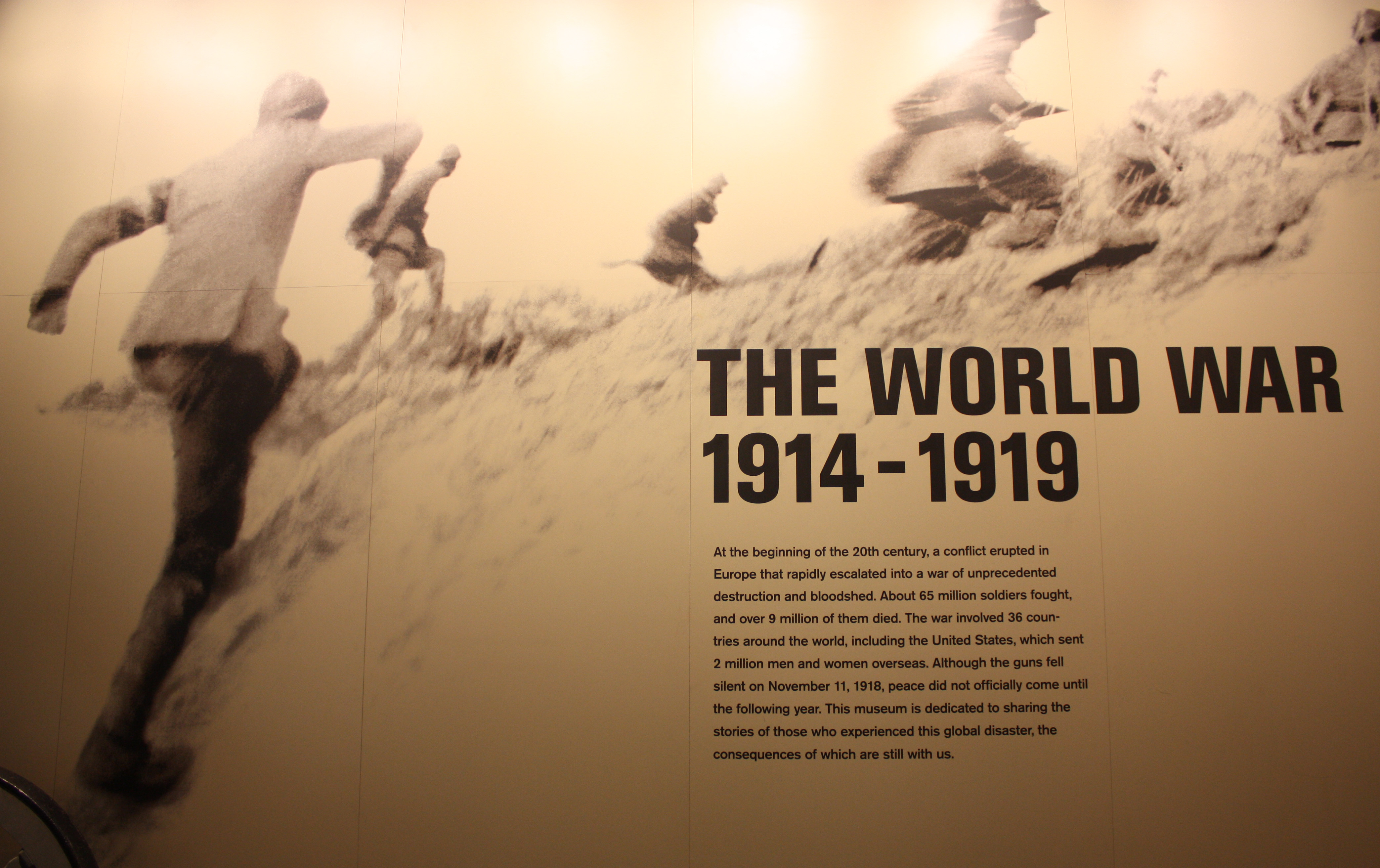 This museum opened in 2004 in the area beneath the Memorial. I’m not sure why Kansas City was chosen, but this is THE World War I museum in the United States, as designated by Congress. (Entrance fee: $12.)
This is one of those really great museums that does everything right. It starts you off with a film that explains what was happening in the world to build up to the war in Europe. Following the film, you can walk through a timeline of events, view thousands of historic objects, photographs, info graphics, posters, and prints. Another film asks the question, “Should America enter the war?” The 15-minute film shows the U.S. on the threshold of war and describes why this country ultimately became involved. In addition, the museum features a life-sized trench replica, a French-made Renault FT17 tank, 1917 Harley-Davidson motorcycle, journals, letters, and more.
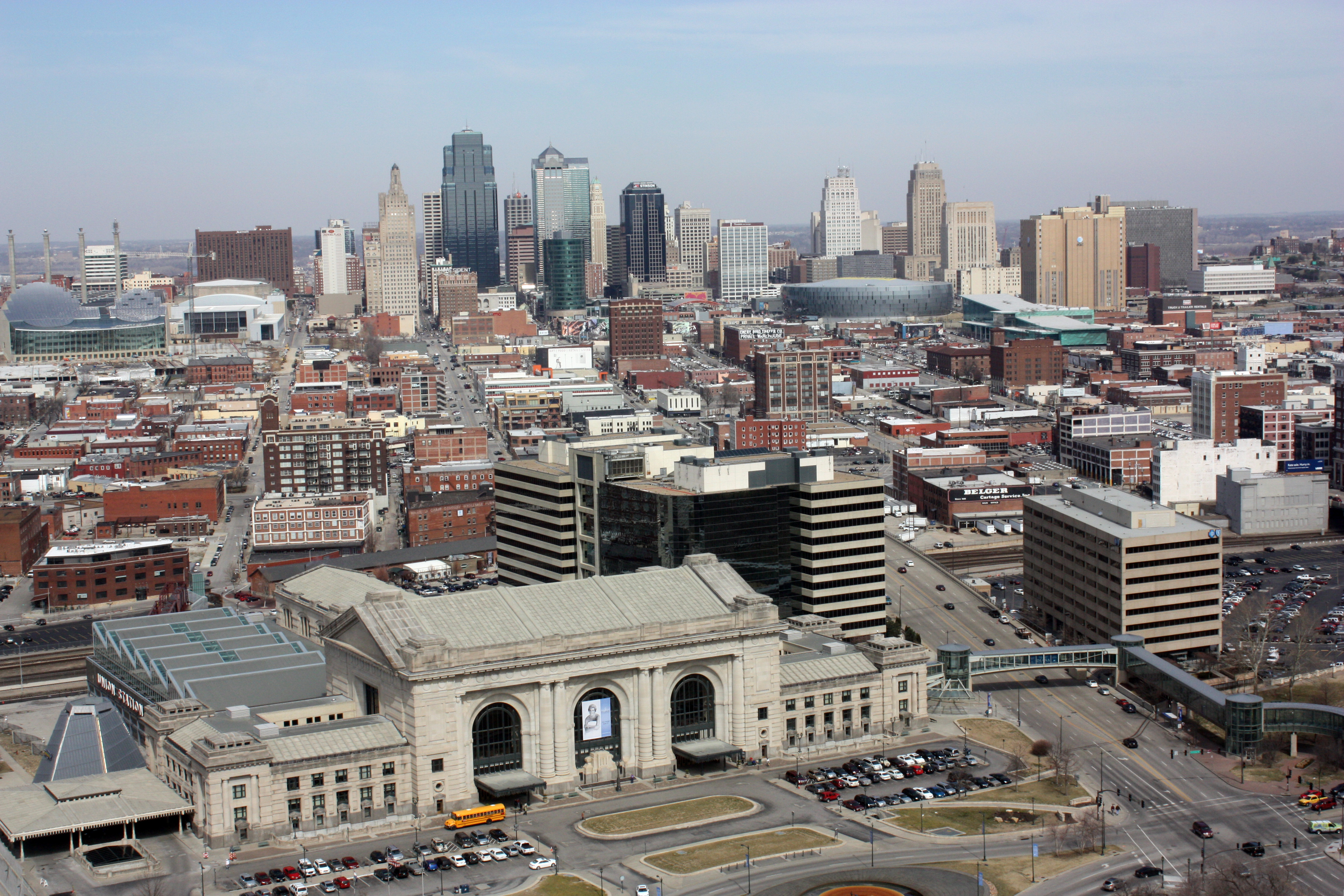 Beyond the main museum, there are memory and exhibition halls and the Liberty Memorial tower itself. The 217-foot tower was built in 1926, and you can ride to the top in an elevator and experience a fantastic view of downtown Kansas City below.
COUNTRY CLUB PLAZA
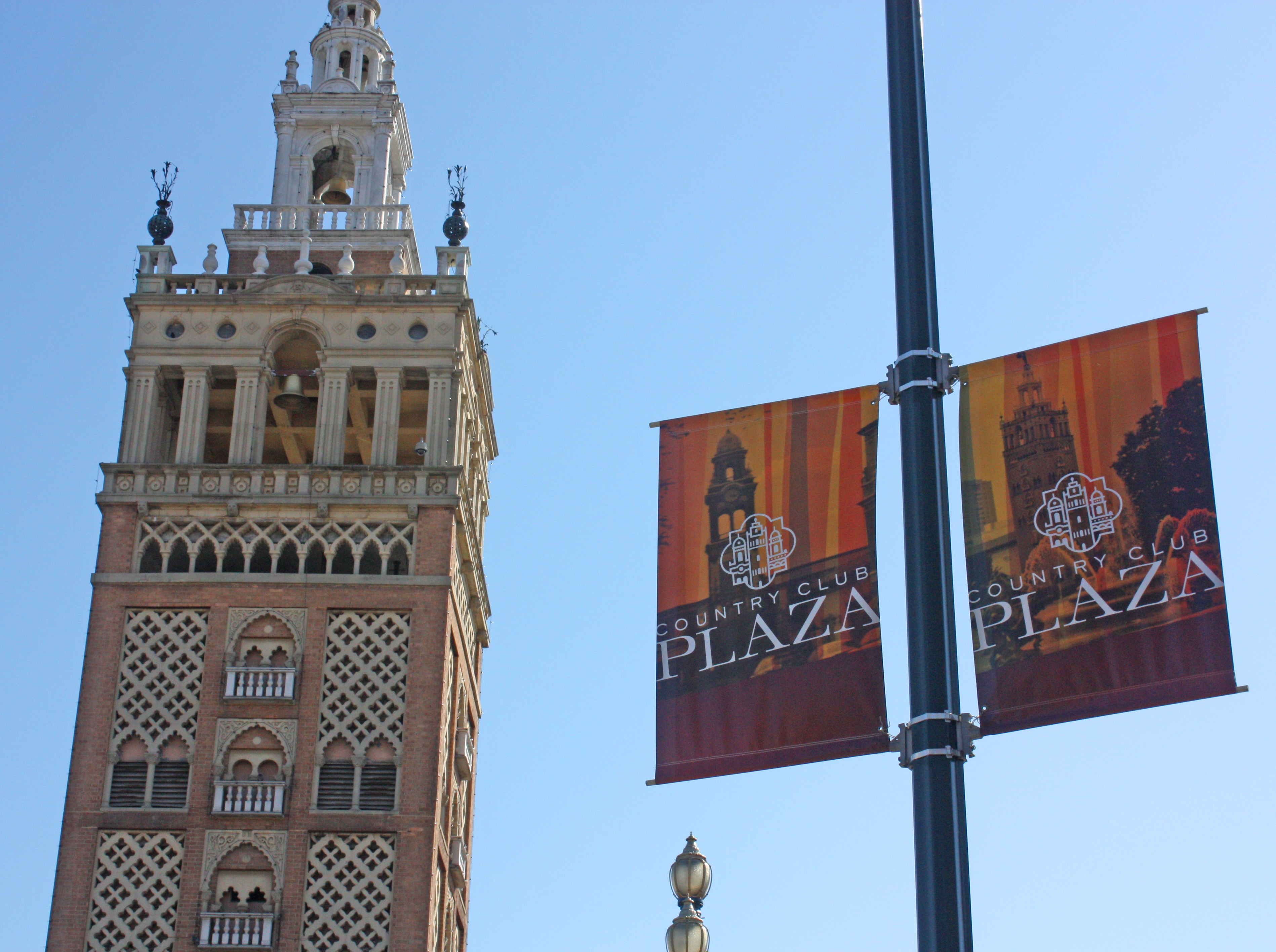 The Country Club Plaza is one of the coolest areas in Kansas City. If I could recommend going just one place in KC, this would be it. I’ve probably been there a hundred times or more. I’ve spent the night in hotels there, eaten in most of its restaurants, shopped in most of its shops, and marveled at its world-class holiday lights. So on this particular visit, we didn’t spend much time there. But we did stop there for a relaxing lunch at Figlio’s Italian restaurant, located a block north of the Cheesecake Factory on JC Nichols Parkway.
AMERICAN JAZZ MUSEUM/ NEGRO LEAGUES BASEBALL MUSEUM
After a late lunch, we headed to the Steamboat Arabia museum only to be told we had missed the last (3 p.m.) tour of the day. So we shifted our plans and went instead to two connecting museums that we’d planned to visit the next day.
The “Museums at 18th and Vine” are under one roof and are available for a combined entrance fee of $10 (separate entrance fees are also offered).
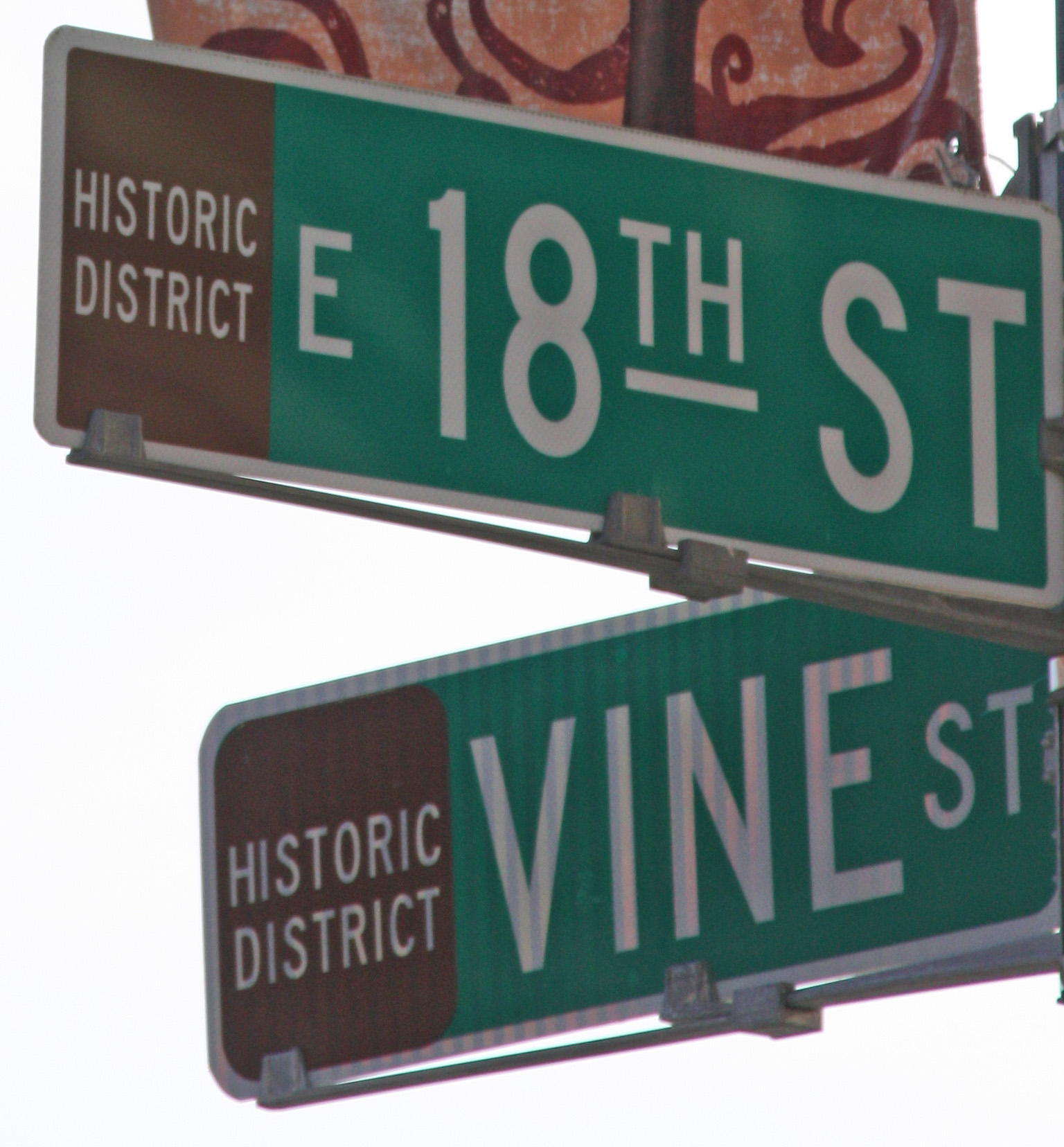 Surprisingly, I enjoyed the Negro Leagues Baseball Museum more than the Jazz Museum. The Jazz Museum offered lots of opportunities to listen to recorded music (on headphones) by jazz greats Charlie “Bird” Parker, Duke Ellington, Ella Fitzgerald, Louis Armstrong, and others. Mostly I was bored and getting tired of museums. But the Negro League Museum offered (another) short film, so I sat and watched that and learned about the inspirational Negro Leagues. The museum itself is hit and miss, with some overly crowded exhibits and another (somewhat repetitive) film, but overall I enjoyed it – and the Field of Legends (a life-size representation of a baseball infield, complete with bronze players) is not to be missed.
THE BLUE ROOM
Just as we were leaving the museums at 18th and Vine (a formerly rundown area of Kansas City that has been given new life), jazz musicians in the Blue Room began warming up for live music and happy hour, so we stayed and listened for awhile. I do not consider myself a great lover of jazz (I much prefer blues), but live music is live music, and these guys were really great.
ROASTERIE CAFE IN BROOKSIDE
 We started our last morning in KC at the Roasterie Café. This is someplace I’ve never been, because it’s well off the beaten path when we visit Kansas City. It’s about 12 blocks south of the Plaza in an area called Brookside, which I remember from my teenage and college years as a fun place to shop, eat, and drink.
The Roasterie Café has intrigued me since it opened in 2005, because it’s owned by Iowa native and Iowa State grad Danny O’Neill. I’ve done a couple of stories on Danny for VISIONS magazine, and I’ve twice toured the Roasterie plant, but I’d never visited the café.
Danny had told me how popular this place was (there’s a second Roasterie Café now open in Leawood, Kan.), and after spending an hour there on Saturday morning, I believe it. There was a constant, fast-moving line of customers (runners, parents with little kids, older folks, you name it), and the interior was urban, hip, and comfortable. I had a big cup of coffee and an orange-cranberry scone. Before we left, I put the Roasterie’s legendary customer service to a test when I ordered a 1-lb. bag of coffee (nothing difficult about that, right?) but had them grind together regular and decaf beans because that’s how I like to drink it. No problem! The rest of the day, my car smelled GREAT.
TREASURE OF THE STEAMBOAT ARABIA MUSEUM
Back to the Steamboat Arabia – again. This time, we were in time for the first tour of the day. Unfortunately, our tour guide was so overly dramatic (and also a total hick) that I half expected her to belt out a rousing rendition of a song from “Annie Get Your Gun” before the tour was over.
 Never mind. The Steamboat Arabia is a fascinating place. Here is the story, in a nutshell: In September 1856, a 171-foot-long steamboat, loaded with 200 tons of frontier-bound goods and a fair number of passengers (and one mule), hit a submerged tree in the Missouri River just north of Kansas City. It sank and was immediately sucked under 15 feet of mud. There it sat, perfectly preserved, for 132 years. In 1988, some modern-day treasure hunters unearthed the steamboat, by then located half a mile from the river and 45 feet underground.
 The buried treasure – fine dishware, jewelry, preserved foods, boots, fabric, tools, buttons, household goods, guns, medical supplies, and more – is awesome to see. But to me, the most interesting thing about this museum is the story of the excavation itself and the process of preserving all of these items. It made me think of the Titanic – only on a slightly smaller, fresh-water scale. One of the men who unearthed the treasure trove was in the museum on Saturday, which was a real treat.
Interestingly, the excavation occurred close enough to my in-laws’ house that they could see the lights that they used for night digging. The museum is located in the City Market area, itself a KC destination.
NATIONAL FRONTIER TRAILS MUSEUM
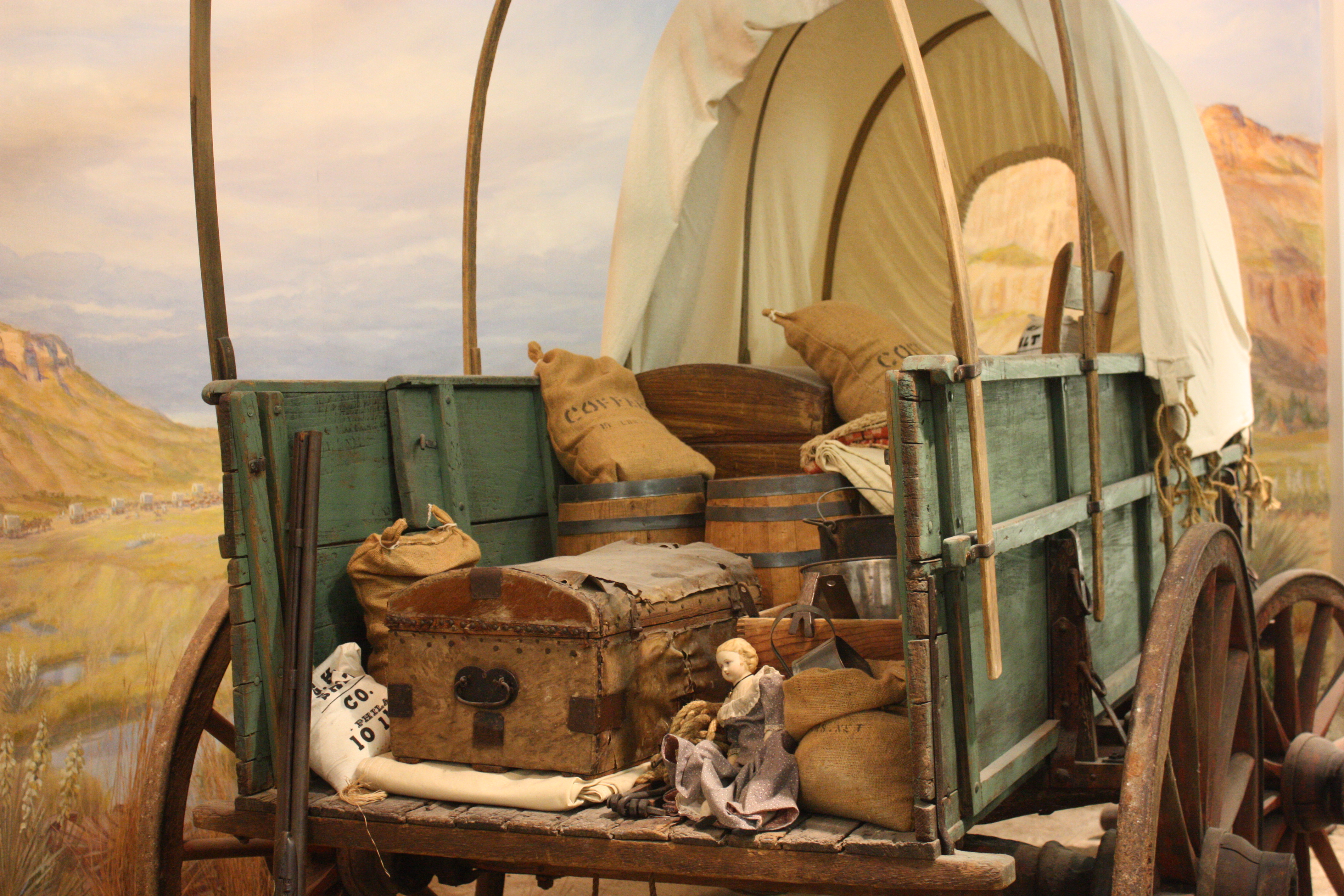 The last museum on our list was the home of President Harry S Truman in Independence. We arrived at the visitors’ center to buy our tickets at about noon, only to learn that the next available tour was at 2:30 p.m. Drat! But we really wanted to see the home, a national historic site, and we’d come this far…so we watched yet another film (this time about the Trumans) and then killed some time at the nearby National Frontier Trails Museum. After seeing so many high-quality museums this weekend, this one just about put me to sleep. I seriously felt like I was on a fourth-grade field trip. Yawn! The Trails Museum tells the story of the jumping-off place (Independence) for the Santa Fe, Oregon, and California Trails, “recreating the story of those daring pioneers” (according to the brochure). I was reminded of a better Lewis and Clark museum I’d visited in the Pacific Northwest and wished I was there instead.
HARRY S TRUMAN HOME
Still time to kill before 2:30, so we took a tour of my childhood, driving by my prison-like junior high school (no longer a school), the funeral home where my dad worked (no longer a funeral home), the church to which my parents took me (amazingly, still a church), and downtown Independence, where there isn’t one building (besides the Jackson County Courthouse) that houses the same business as when I was growing up.
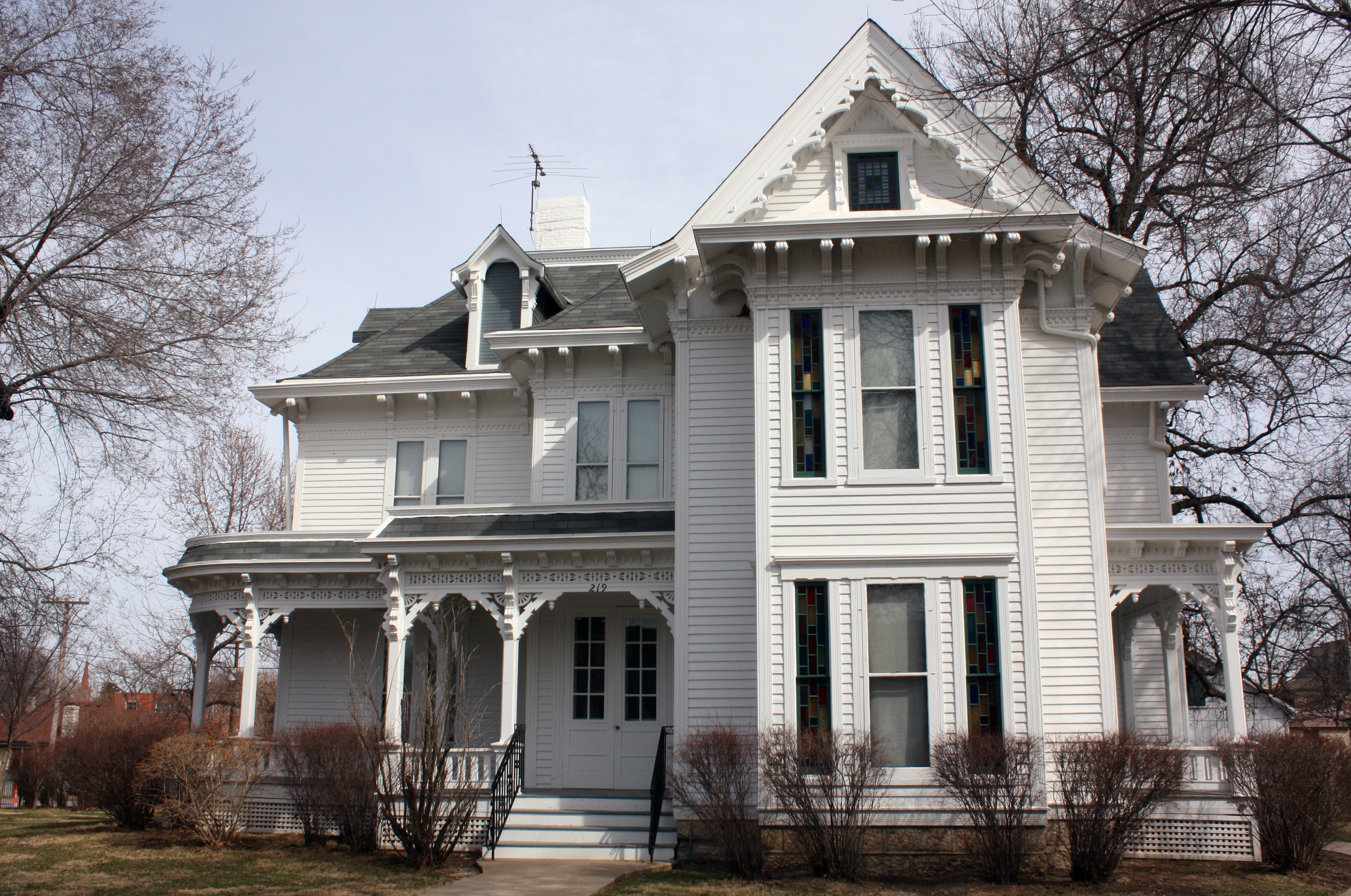 Ah, well. The Truman home was worth the wait. Maintained by the National Park Service, the home is essentially as it was in 1982 when former first lady Bess Truman died at age 87. Harry died 10 years earlier on Dec. 26, 1972, at the age of 88. I remember standing in the long, cold line at the Truman Library, waiting to walk past his flag-draped casket.
I really should know my Truman history since I grew up in Independence, but there was so much information I didn’t know about Harry’s childhood, his courtship with Bess, his presidency, and the awkwardly private life he led after his presidency.
The tour was excellent, as is generally the case with National Park Service tours. Tour groups are limited to just eight people, so you get a very personal tour of the home and can enter into a meaningful dialogue with the guide.
It was a great way to end our Kansas City Weekend O’Museums.
Peace Tree Brewing Company
 From what I can tell, Peace Tree Brewing Company is the only reason to visit Knoxville, Iowa. I suppose if you care about car racing, there’s the Knoxville Raceway (yuck). But for me, Peace Tree is the only draw.
But I thought it was worth the drive (especially since I swung by Pella first and bought some Dutch letters) because it’s not every day that a great beer is born in the state of Iowa.
Peace Tree opened just about a year ago — the grand opening of the taproom and distribution of beer was March 19, 2010 — and already the beer has made a name for itself. My favorite, the Red Rambler Ale, will likely become Peace Tree’s signature brew, much like Fat Tire for New Belgium. Could Peace Tree grow as large and popular as New Belgium? We will see. But I do detect some similarities between the two craft breweries.
 For one thing, Peace Tree is very much about a sense of place. The community of Knoxville has been involved in the business since the beginning. And the very name, Peace Tree, comes from a historic grand sycamore tree that was located near the town of Red Rock under what is now Lake Red Rock. According to the brewery’s website, the old sycamore was a place where Indians met for generations, then became a meeting place for fur traders and Indian treaties.
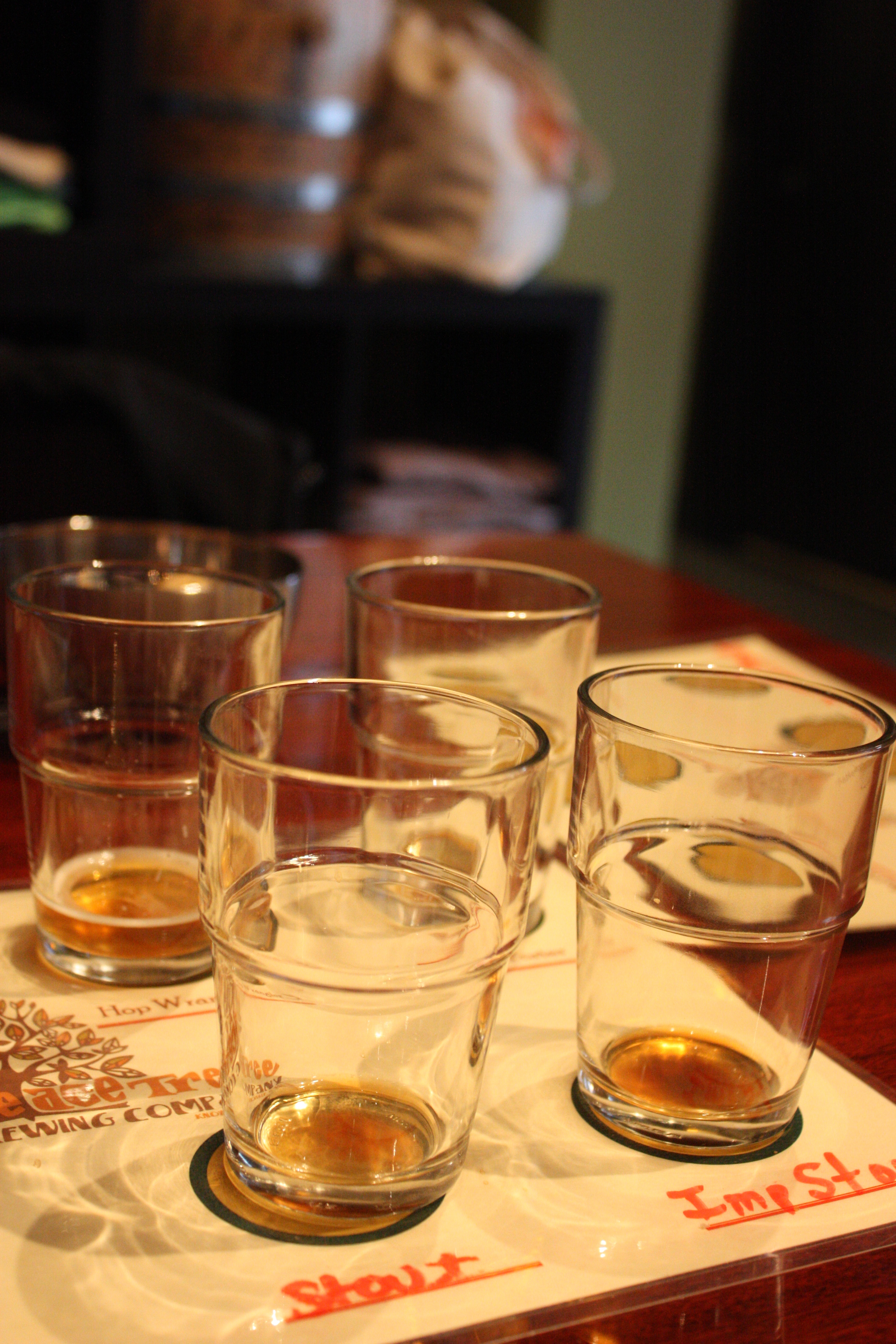
Well, enough about that. Here is the scoop on the beer: Located in a brick building on Main Street in downtown Knoxville, the taproom is large enough to hold a special event — or, in the case of yesterday afternoon, half a dozen groups of tasters. There’s a bar and about 15 small tables. You’re welcome to taste each of the beers. The aforementioned Red Rambler ale, Hop Wrangler IPA, and Rye Porter are always available. Seasonal and alternate beers include Imperial Stout, Black River Gumbo Stout, Cornucopia, and others. All are the creation of head brewmaster, Joe Kesteloot. There’s also root beer and cream soda.
 You can “sample” a small glass of beer for $1 or do a “tasting” of any (or all) of the beers for free. We started out with samples of Red Rambler, because we had tasted it before and already knew of its quality. After that, we tasted the IPA, porter, and two stouts. All were good quality for the type, but I am not a fan of any of those kinds of beer. So after the tasting, I went with a pint of ale, which tasted great with the little bowl of dry snacks the bartender set on our table.
Before we left, we tasted the root beer and cream soda — delicious all around. And we bought a six-pack of Red Rambler. If you are so inclined, you can also buy growlers of any of the beer on tap, plus pleasant reminders of your visit to the taproom in the form of T-shirts, baseball caps, canvas bags, and barware, all with the very cute Peace Tree logo.
 You don’t have to drive to Knoxville to get this beer. It’s widely distributed throughout Iowa. There’s a distribution list on the Peace Tree website if you’re interested. Notably, it’s easy to find in bars, restaurants, and grocery stores in Ames and Des Moines.
At last count, there are 22 breweries in Iowa (not counting multiples of Granite City). Some of them are just brewpubs and don’t distribute their beer. I think Peace Tree has a chance to become a major microbrewery, mainly because they don’t confuse their mission by serving food. In fact, if you do want to eat a meal while sipping beer in the taproom, you’re encouraged to order from one of Knoxville’s restaurants who are only too happy to deliver.
The taproom is open Thursday and Friday nights from 4-10 p.m. and Saturdays from 1-10 p.m.


